A brain with an open book beside the words Open Science

Open Science Awards

Open Science Awards
A brain with an open book beside the words Open Science

Open Science Awards

By celebrating contributions to transparency, collaboration, and accessibility, we hope to foster a culture where open science is valued and widely practiced at WIN and beyond.


There are three awards that recognize trainess who are actively engaged in open science practices:

Open Science Newcomer Award

For a trainee who has recently started applying open science methods and has shown dedication to learning and implementing these practices.

Open Science Peer Support Award

For a trainee who has gone above and beyond to help colleagues adopt open science practices. The recipient demonstrates a collaborative spirit by actively helping their peers' overcome challenges in open science and by fostering an environment of knowledge-sharing.

Open Science Trailblazer Award

For a trainee who is pioneering new open science initiatives and making lasting contributions. This award honors individuals who have implemented open science in innovative ways, influenced others to adopt transparent research practices, and contributed to the culture shift toward openness, reproducibility, and collaboration.

Eligibility and Nomination Information

Eligibility

Graduate students and postdoctoral fellows are eligible. They can either self-nominate or be nominated by others. A person may be nominated for more than one award, but a nominee cannot win more than one award.

Who Can Nominate?

Peers, faculty, and staff can nominate a graduate student or a postdoctoral fellow for any of the awards.  Graduate students and postdoctoral fellows may also nominate themselves. 

Timeline

Nominations open on March 30, 2026with the deadline to apply being June 8, 2026.

Award winners will be announced in July 2026.  

Previous Open Science Award Winners

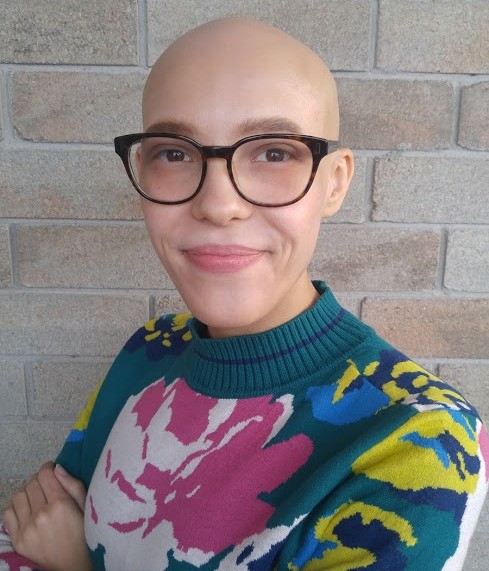
Photo of Deanne

Deanne Wah - 2025 Open Science Newcomer Award

Deanne Wah is a PhD candidate in the Psychology department. They are studying the reading brain in children and adults using fMRI and behavioural methods. Their research focuses on how readers represent the different component processes of reading in the brain and how different readers may rely on different types of information while reading. Since this research is broad and benefits from collaborative effort, they are using an open science framework to share their code and research output.
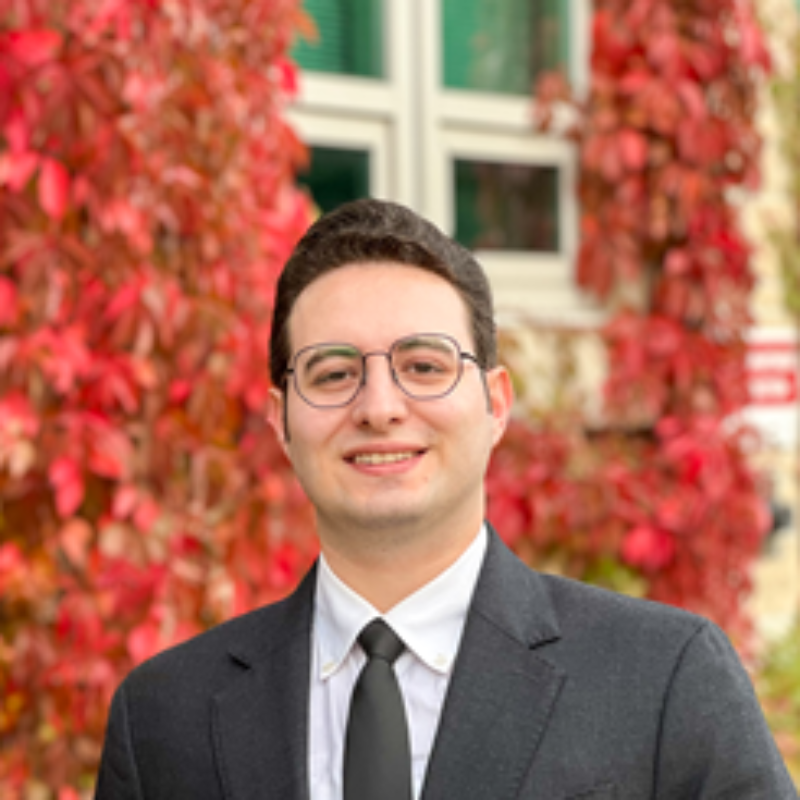
Photo of Ali

Ali Tafakkor - 2025 Open Science Peer Support Award Winner
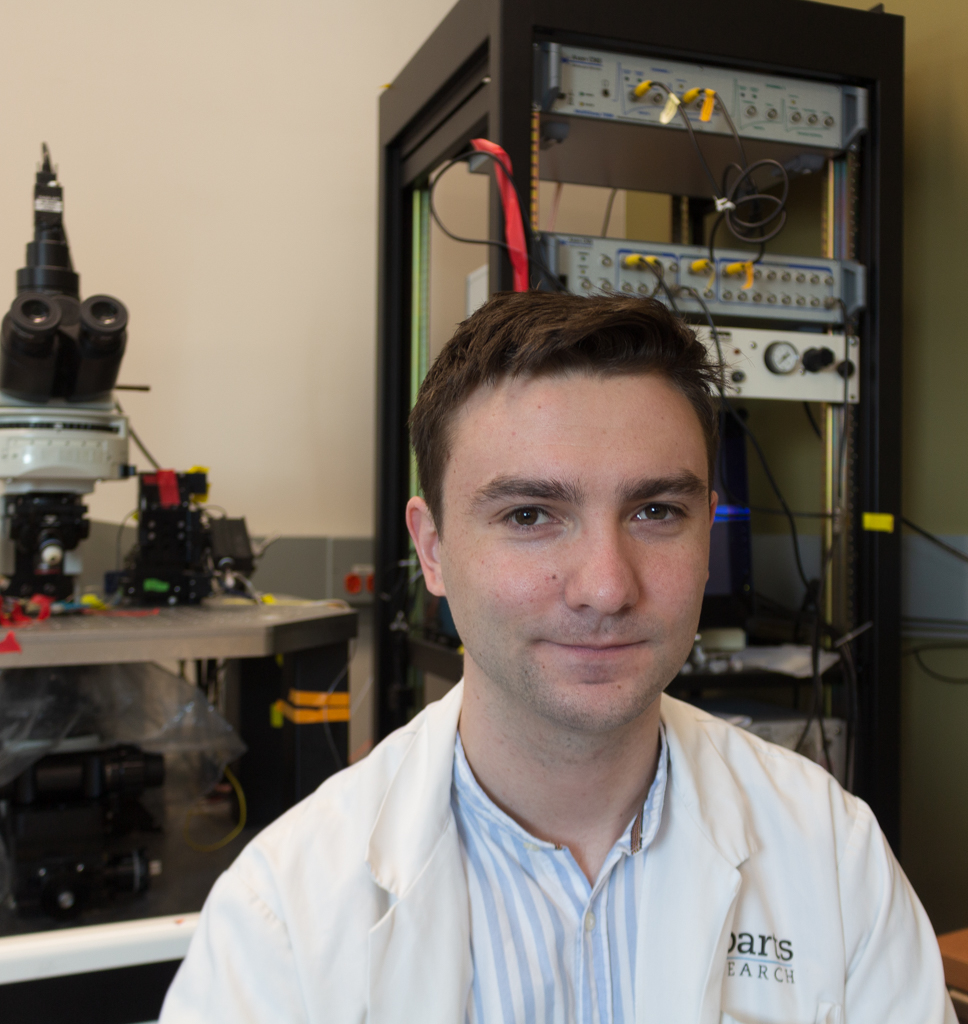
Ali Tafakkor is a PhD student in Neuroscience at Western University, working under the supervision of Dr. Ingrid Johnsrude and Dr. Ali Khan. His research focuses on how the brain processes speech in noisy environments, using methods like fMRI and intracranial EEG. Ali is passionate about open science and open-source software, and he actively advocates for transparency and reproducibility in research. He enjoys finding practical ways to implement open science principles in his work and within his academic community.
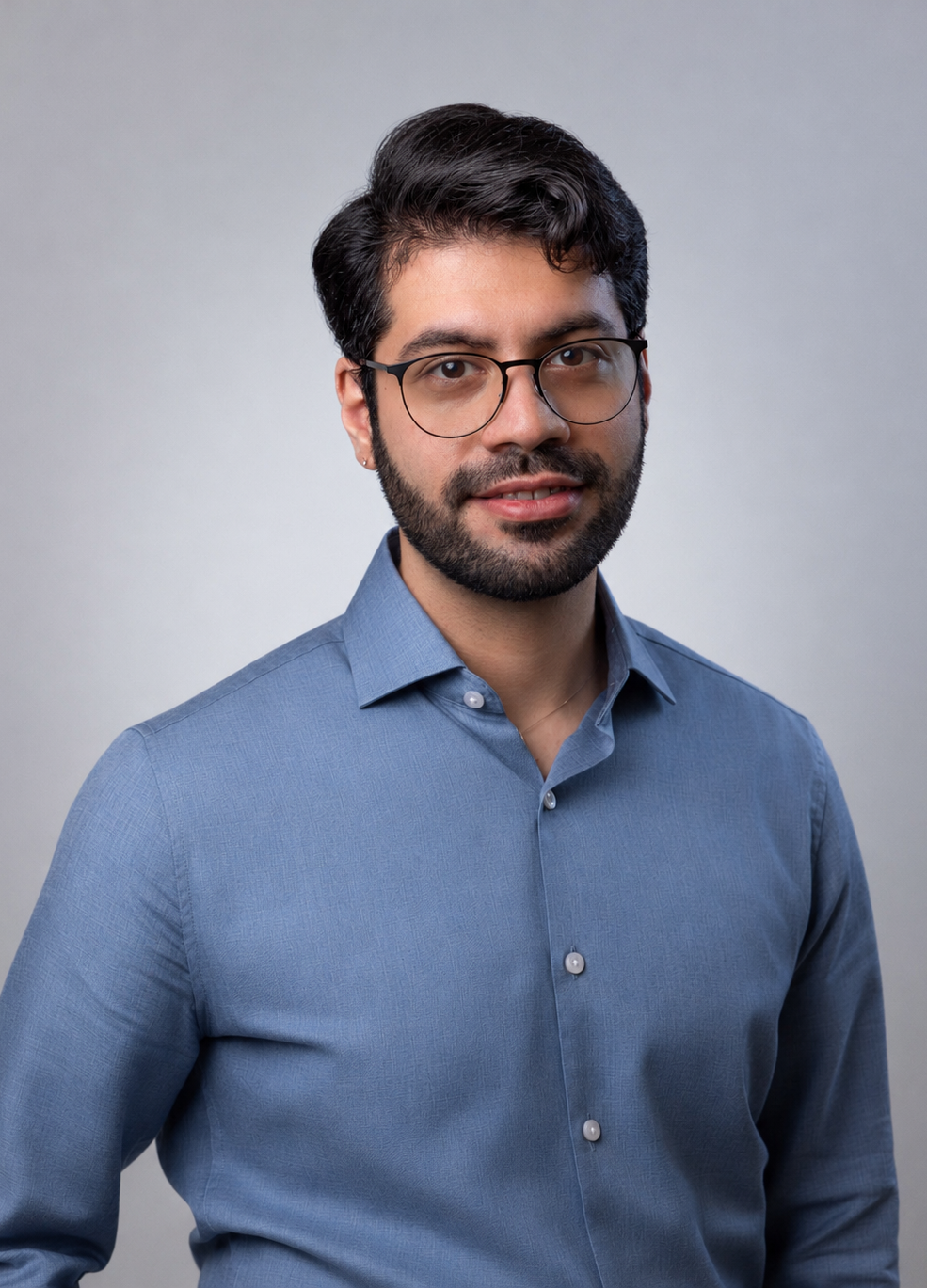
Photo of Alaa

Dr. Alaa Taha

Alaa Taha recently completed his PhD in Biomedical Engineering at Western University, co-supervised by Dr. Jonathan Lau and Dr. Ali Khan. He will be starting medical school at Stanford University in Fall 2025. His work combines brain coordinates and machine learning to develop open-source tools that support workflows in neuroimaging and neurosurgery. Learn more about Alaa’s contributions through the AFIDs Project, an open-access initiative for brain landmark annotation used in education, brain mapping, and surgical targeting.