
Search Website
Physiology and Behaviour
Research in physiology and behavior examines how biological systems and behaviors interact, focusing on sensory processing, communication, stress, hormones, brain metabolism, and energy balance. It explores the neural and hormonal mechanisms that shape behavior and health, offering insights into brain function and adaptation.
Read more about the research being done in the area of physiology and behaviour in neuroscience below.
Kelly Anderson - Epidemiology, Psychosis, Mental and Brain Health
Kelly Anderson is an epidemiologist and health services researcher interested in mental and brain health of the population. As the Canada Research Chair in Public Mental Health Research, she is interested in the risk, course, and outcome of mental illness for different population groups, as well as in the social determinants of health service access and utilization. She has a particular interest in the mental health of adolescents and young adults, and her research to date has typically focused on first-episode psychosis and early intervention services.

Donglin Bai - Gap Junction Physiology
Understanding the molecular and structural mechanisms of gap junction channels, focusing on their functional properties and how mutations in connexin genes contribute to diseases. This work aims to better understand these channels and develop potential treatments for gap junction-related disorders.
Lindsay Bodell - Psychobiology of Eating Disorders
Studying the psychological and biological processes contributing to the development and maintenance of eating disorders, particularly those involving binge eating. Also, the increased risk of suicide in individuals with eating disorders.

Paul Cooper - Headache, Clinical Trials
Trials of new medication and treatment in the area of Headache.
Brian Corneil - Brain Control of Movement
Understanding how the brain transforms visual information into action, particularly how cortical and subcortical areas coordinate movement in a dynamic environment. Seeking to enhance the understanding of brain changes after injury or disease and inform non-invasive brain stimulation therapies.

Jody Culham - Vision and Perception
Understanding how vision is used for perception and action in the real world, utilizing behavioral methods and functional neuroimaging. Using virtual reality, simulated 3D, and video games to enhance realism and address new theoretical questions.
Greg Dekaban - Inflammation, Immunology, Therapeutics
Understanding the role of CD11d CD18 integrin in leukocyte biology and inflammation in the central nervous system, and developing novel therapeutic vaccine approaches for cancer, particularly using dendritic cells. Also anti-inflammatory treatments for spinal cord and brain injuries and real-time imaging techniques to track dendritic cell migration in humans.
Cheryl Forchuk - Mental Health, Homelessness
Studying mental health care, particularly the development of supportive care models, therapeutic relationships, and systems issues like housing, homelessness, and community integration. The use of technology in improving mental health services and addressing challenges related to mental health care.
Doug Fraser - Brain Injury, Biomarkers, Inflammation
Understanding the cellular mechanisms underlying acquired brain injury, particularly in trauma, diabetic ketoacidosis, and severe sepsis, with a specific interest in how systemic inflammation contributes to blood-brain barrier breakdown and brain dysfunction.
Jefferson Frisbee - Microcirculation, Cardiovascular Disease, Vascular Function
Understanding dkeletal muscle and cerebral microcirculation, the regulation of blood flow, and the impact of cardiovascular disease risk, chronic stress, and depression on microvascular function and disease.

Rishi Ganesan - Neurocritical Care, EEG, Pediatric Outcomes
Improving long-term cognitive and functional outcomes in critically ill children by developing and implementing electroencephalography-based monitoring tools, utilizing signal processing and artificial intelligence to identify brain pathologies and deliver timely interventions.
Noha Gomaa - Oral Health, Policy, Socioenvironmental Impacts
Studying the impact of socioenvironmental exposures on oral diseases and related non-communicable diseases, while evaluating clinical and policy interventions to improve outcomes across various populations.

Elizabeth Hampson - Reproductive Hormones, Cognition, and Mood
Understanding how reproductive hormones influence high-level cognitive functions and mood states across the lifespan, using a combination of cognitive testing, genetics, and hormonal assays.
Daniel Hardy - Pregnancy and Development
Understanding what leads to healthy and unhealthy pregnancy outcomes, as well as to understand the mechanisms that lead to fetal growth restriction.

Clark Heard - Occupational Therapy, Forensic Mental Health, Clinical Education
Forensic Mental Health Care with a focus on occupational therapy, spiritual care and virtual reality.

Matthew Heath - Neuroplasticity, Exercise, Cognition
Studying neuroplasticity in executive function following exercise in healthy and at-risk individuals, and on how vision and cognition influence goal-directed movements, using a combination of behavioral, electroencephalographic, and hemodynamic measures.

Fiona Hobler - Stuttering, Motor Learning, Neurocognition
Studying the neurocognitive and neurophysiological processes involved in speech production and motor learning, with a particular emphasis on developmental stuttering. The investigation of how neural mechanisms, attention, and learning capacities impact both developmental trajectories and treatment outcomes for individuals who stutter.
Robyn Klein - Viral Infection, NeuroImmunology, Memory
Understanding how infectious diseases influence our cognitive functions, and the effects of viral infections and neuroinflammation on memory.

Rohit Lodhi - Psychiatry, Psychopharmacology, Addiction
Psychopharmacology, addiction, psychiatric genetics, and improving health outcomes, with a strong interest in fostering collaborative research within and outside the field of psychiatry.

Wei-Yang Lu - Synaptic Plasticity, Inflammation, GABA
Understanding the mechanisms through which inflammation affects synaptic plasticity and glutamatergic transmission, as well as the role of GABA signaling in non-neuronal cells.
Arlene MacDougall - Social Innovation, Mental Health, Psychiatry
Studying social innovation for mental health, with a focus on youth mental health, mindfulness, early psychosis, and collaborative care, both locally and globally.

Haojie Mao - Mechanical Loading, Biomechanics, Safety
Understanding human body responses to mechanical loading through computational models and experimental methods to improve safety and accuracy in biomechanics, particularly in relation to skeletal, ligament, muscle, and brain materials.
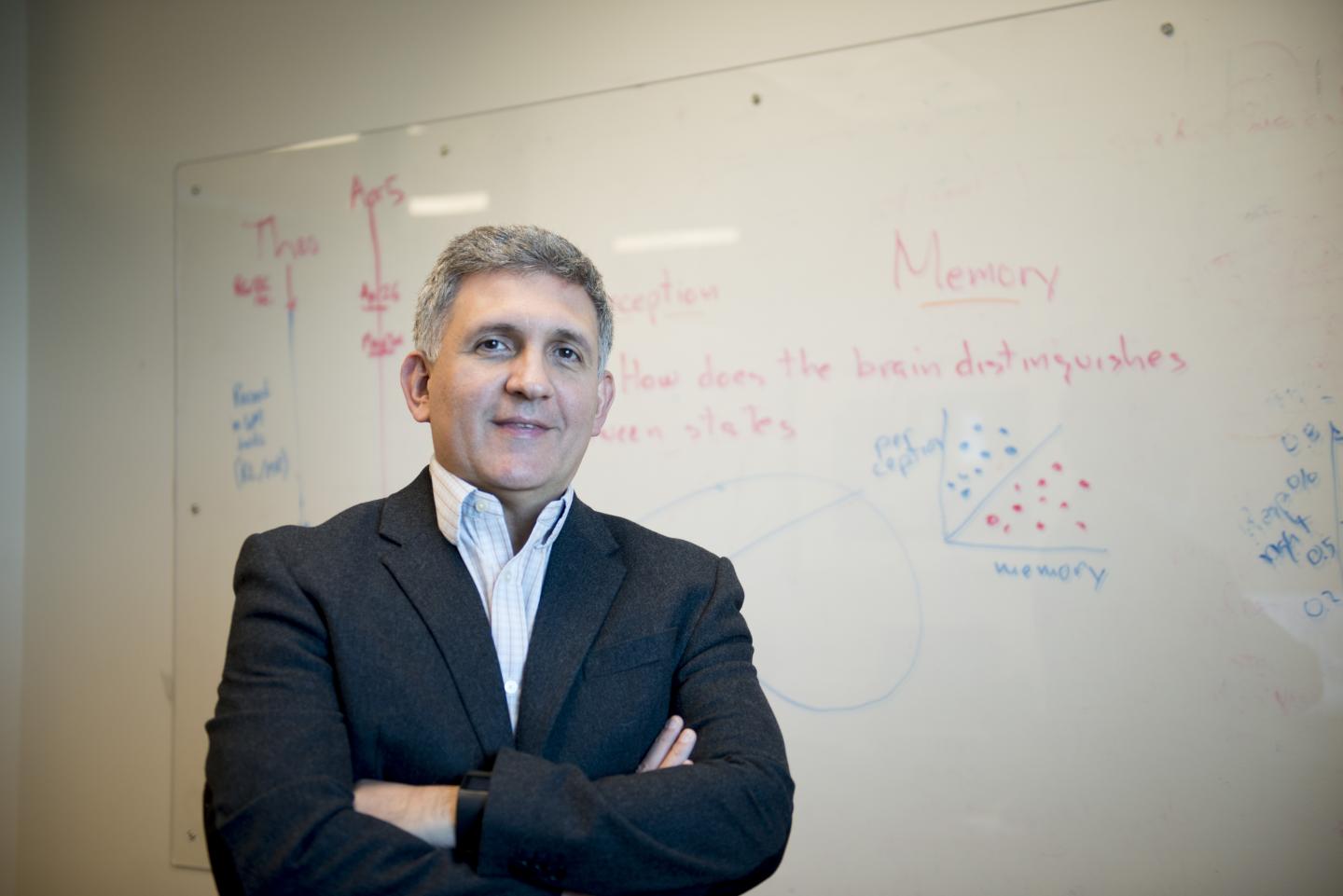
Julio Martinez-Trujillo - Attention, Gaze Control, Motion
Understanding the neurophysiological mechanisms of attention, gaze control, and visual motion processing in the brain using behavioral and electrophysiological techniques in both humans and non-human primates.
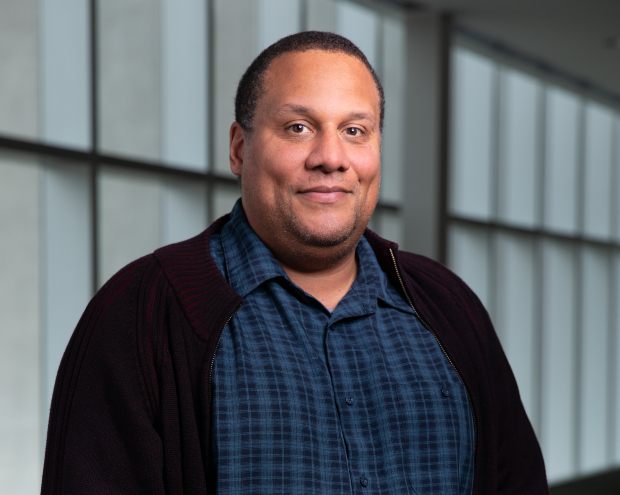
Derek Mitchell - Emotion, Cognition, Psychiatric Disorders
Understanding how neural systems integrate emotion with cognition and behavior, investigating the neuroanatomy of emotions like fear and anxiety, and exploring the pathophysiology of psychiatric disorders using fMRI, MEG, and other techniques.

Amanda Moehring - Genetics, Behaviour, Neuroscience
Understanding the genetic and neural bases of variation in female aggression and mating receptivity using Drosophila as a model system, combining genetics, neuroscience, and behavioral assays.
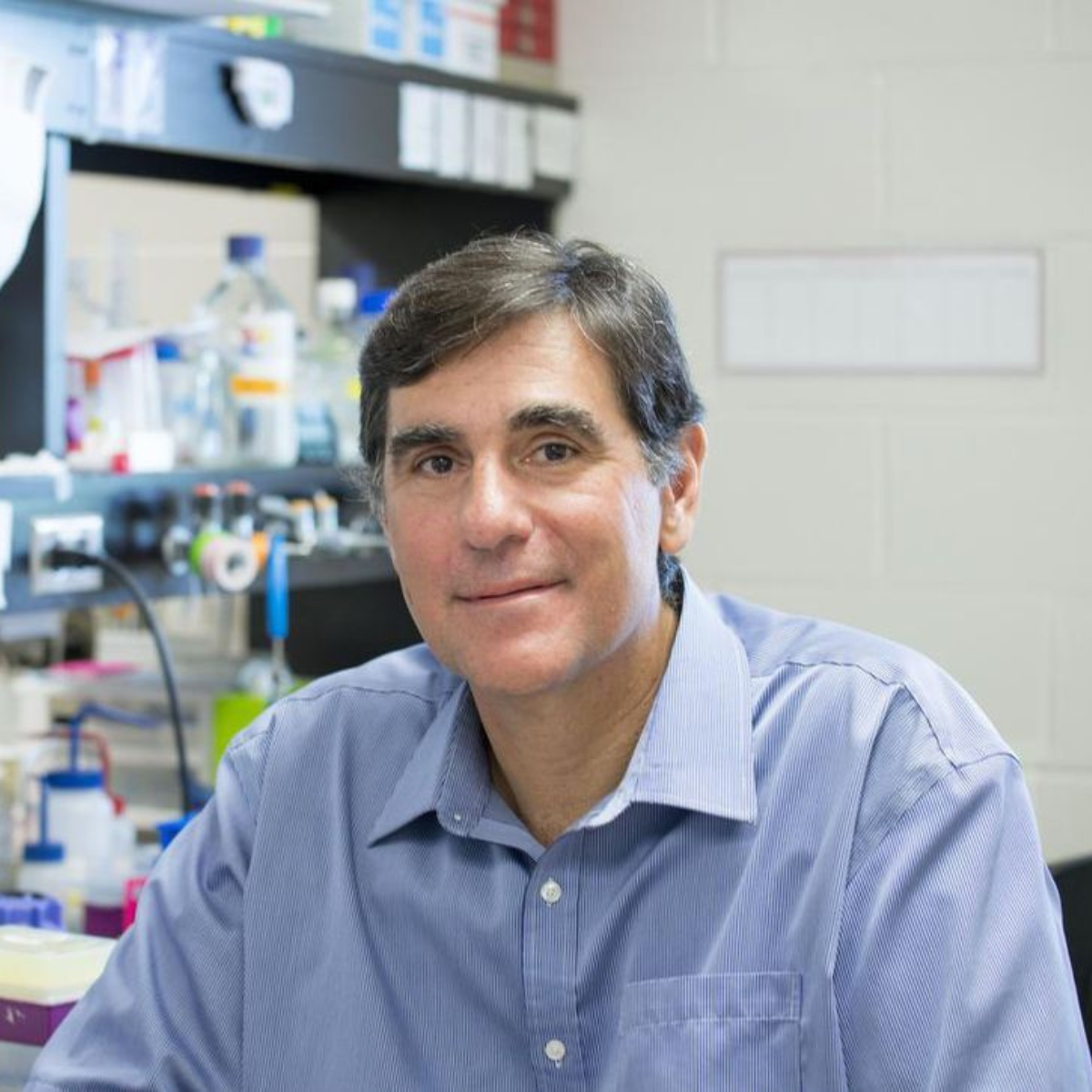
Marco Prado - Neuronal Communication, Neurodegeneration, Pharmacological Targets
Understanding the cellular and molecular basis of neuronal communication, how it is altered in neurodegenerative diseases like Alzheimer's and Huntington's, and developing novel pharmacological targets to treat these disorders, with a particular emphasis on cholinergic synapses and prion diseases.
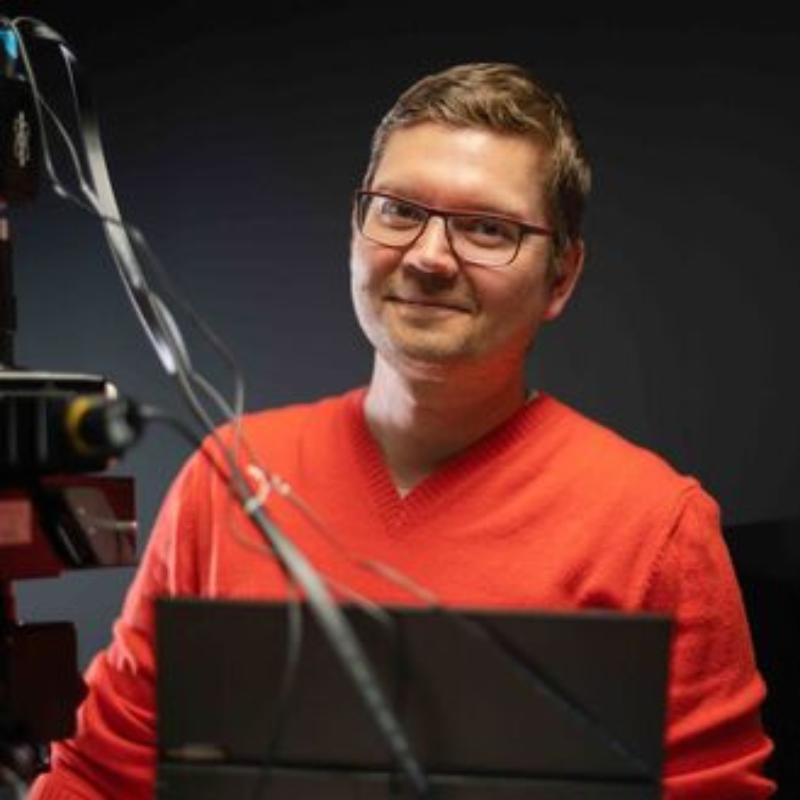
Andrew Pruszynski - Sensorimotor Function, Neurophysiology, Rehabilitation
Understanding how the nervous system coordinates the complex interactions between the body’s mechanical properties and neural circuits during arm movement and object manipulation. This work combines neurophysiology, modeling, behavioral studies, and patient research to improve treatment for conditions like nerve and spinal cord injuries, as well as diseases such as ALS.

Angela Roberts - Cognitive Aging, Speech, Dementia
Improving cognitive aging outcomes by developing connected speech signatures to detect cognitive decline and building predictive models of cognitive aging trajectories. Developing dyadic interventions for communication challenges in dementia, utilizing randomized control trials and telehealth systems.
Jane Rylett - Cholinergic Function, Neurobiology, Alzheimer's
Understanding the cellular and molecular mechanisms regulating cholinergic neurons, with an emphasis on how neurochemical communication is altered in aging and diseases like Alzheimer’s. The investigation of the role of cholinergic proteins, their regulation through phosphorylation, and the impact of cholinergic dysfunction on cognitive and motor functions, using advanced imaging and genomic techniques.
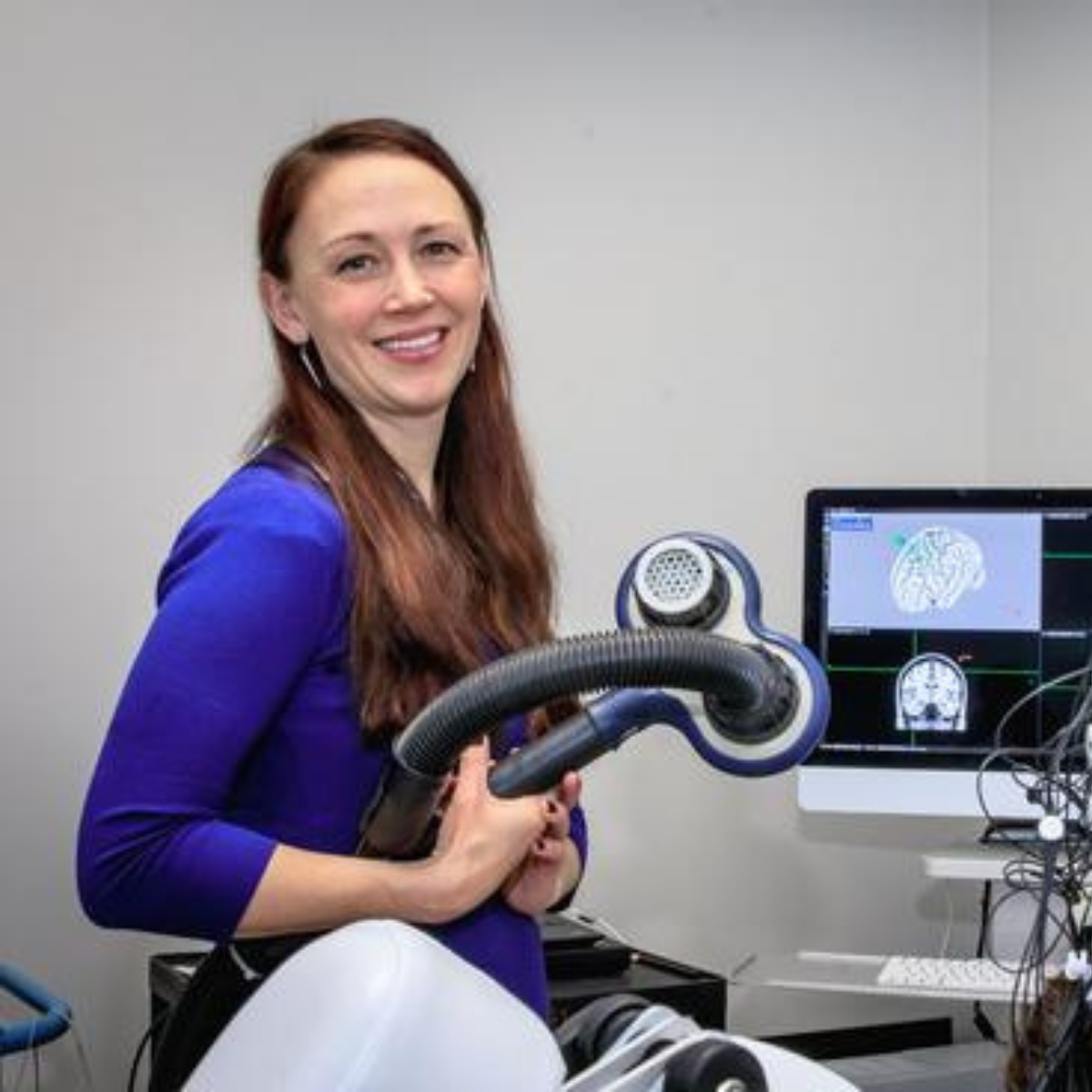
Siobhan Schabrun - Chronic Pain, Neuroplasticity, Biomarkers
Identifying cortical biomarkers that predict the development of chronic pain and understanding the neurobiological mechanisms behind the transition from acute to chronic pain.Also the development and testing of non-invasive brain stimulation treatments for pain, using advanced techniques like TMS-EEG and peripheral electrical stimulation.

Susan Scollie - Sensory Systems, Physiology and Behaviour, Techniques
Studying the efficacy of hearing aid signal processing and outcomes for infants, children, and adults who use hearing aids. She is also involved in hearing aid verification strategies and simulation in education, contributing to advancements in pediatric hearing aid fitting standards.

Dave Seminowicz - Chronic Pain, Cognition, Brain
The exploration of the cognitive aspects of pain, focusing on how brain activity related to pain and cognition interact, as well as how chronic pain affects brain structure and function. Also the investigation of individual differences in pain response and the impact of chronic pain on cognitive abilities, with an emphasis on intervention studies in clinical populations like chronic low back pain, migraine, and burning mouth syndrome.