
Search Website
Cognition
Cognition research explores attention, perception, decision-making, memory, learning, and language, focusing on the neural mechanisms and circuits involved.
Read more about the WIN researchers engaged in cognition-based neuroscience below.
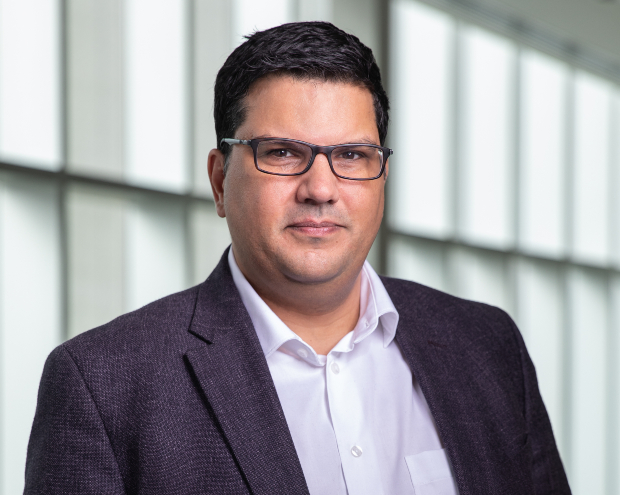
Daniel Ansari - Numeracy and Cognition
Exploring the developmental trajectory underlying both the typical and atypical development of numerical and mathematical skills, using both behavioral and neuroimaging methods.
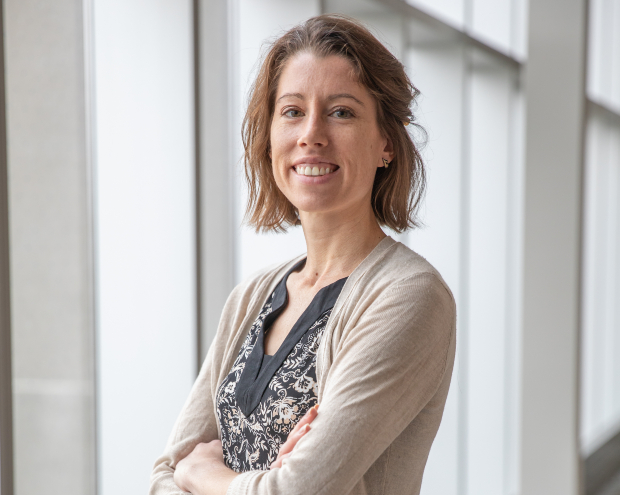
Laura Batterink - Memory and Language Acquisition
Understanding how implicit and explicit memory contribute to language acquisition and related learning mechanisms. Also, she examines how sleep-dependent memory consolidation processes contribute to different aspects of language and learning. Her research leverages EEG, event-related potentials (ERPs), polysomnography, and other neuroimaging methods.
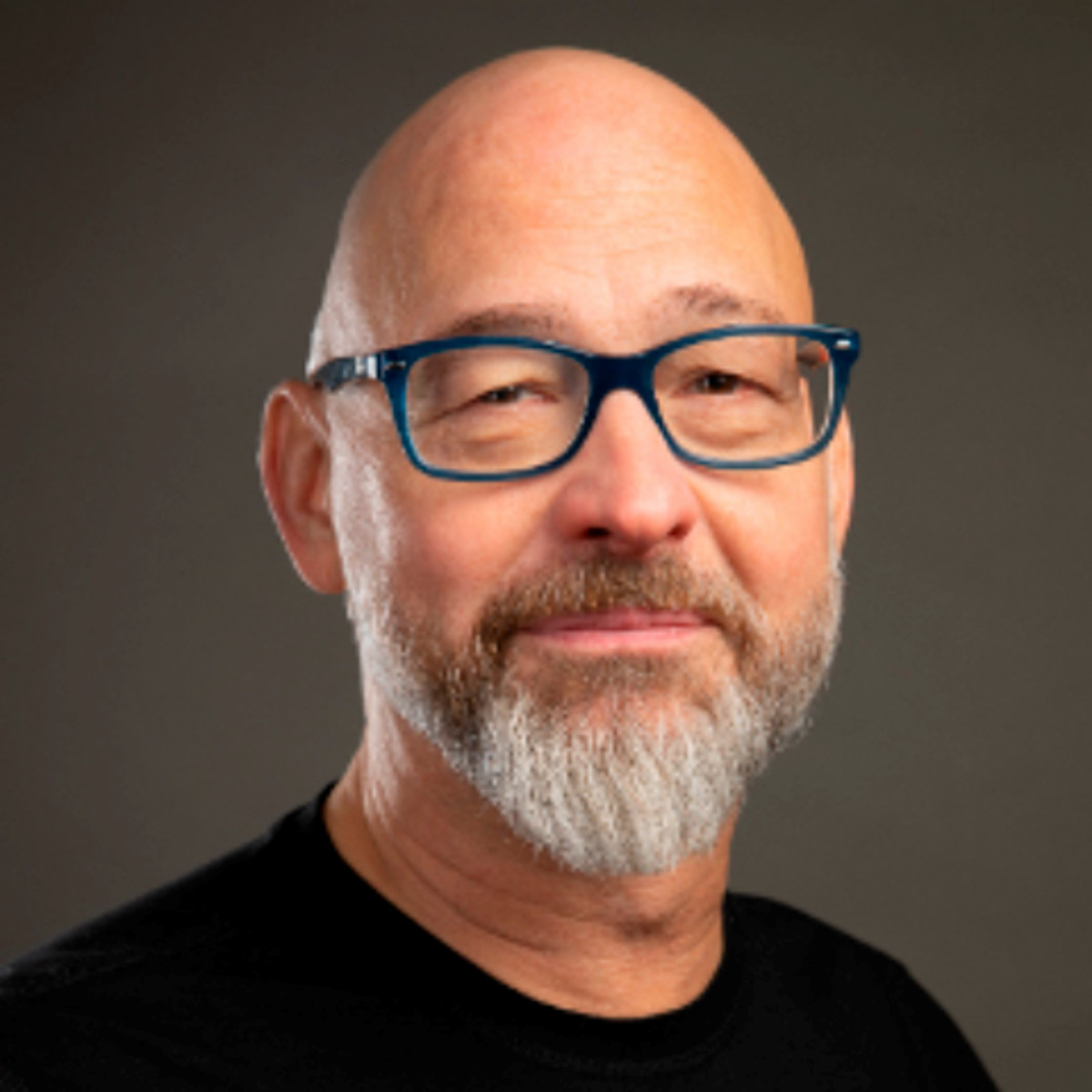
Tim Bussey - Cognition, Neurodegeneration, Therapy
Studies how the brain supports cognition—learning, memory, and attention—and what goes wrong in conditions such as Alzheimer’s disease and schizophrenia. His lab develops translational, touchscreen-based cognitive tests for rodents that closely parallel those used in humans, helping identify mechanisms and potential therapies.
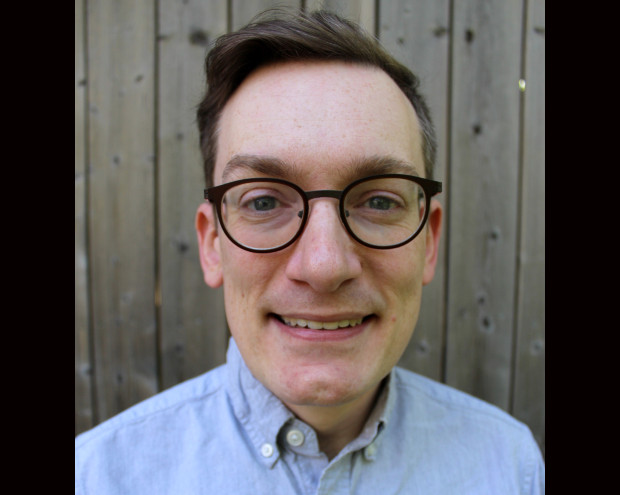
Jonathan De Souza - Music and Cognition
Dr. De Souza’s research combines music theory, psychology, and philosophy, and it examines both classical and popular repertoire. He is particularly interested in music, performance, and embodiment.
Chandlee Dickey - Social Cognition, Psychiatry, Education
Understanding the neurobiology of social cognition deficits in schizotypal personality disorder, including gray matter abnormalities and impairments in facial emotion and prosody.
Emma Duerden - Cognition in Preterm Infants and Children with ASD
Understanding the impact of early adversity on cognitive ability starting early in fetal life as well as infants and school-aged children with autism spectrum disorder or who are born very preterm. The goal of her research program is to identify risk factors for early adversity as well as factors that promote resilience to early life stress, healthy brain development and academic achievement in children.
Barb Fenesi - Cognitive Function, Education, Intervention
Examining how the brain and body contribute to student success, integrating psychology, education, health, neuroscience, and kinesiology. Combining laboratory and classroom studies, using cognitive testing, behavioral measures, and neuroimaging to identify strategies that improve attention and academic performance. The ultimate goal of Dr. Fenesi’s work is to develop school- and community-based programs that support learning across diverse student abilities.

Rishi Ganesan - Neurocritical Care, EEG, Paediatric Outcomes
Improving long-term cognitive and functional outcomes in critically ill children by developing and implementing electroencephalography-based monitoring tools, utilizing signal processing and artificial intelligence to identify brain pathologies and deliver timely interventions.
Jessica Grahn - Music and Cognition
Exploring how the brain perceives and responds to musical rhythm, including why humans move to music and how these responses differ from other temporal sequences and from those of other animals. She also investigates the potential therapeutic benefits of musical rhythm, as well as broader topics in cognitive neuroscience such as neurofeedback, the effects of training on cognitive function, and how different types of music influence memory.
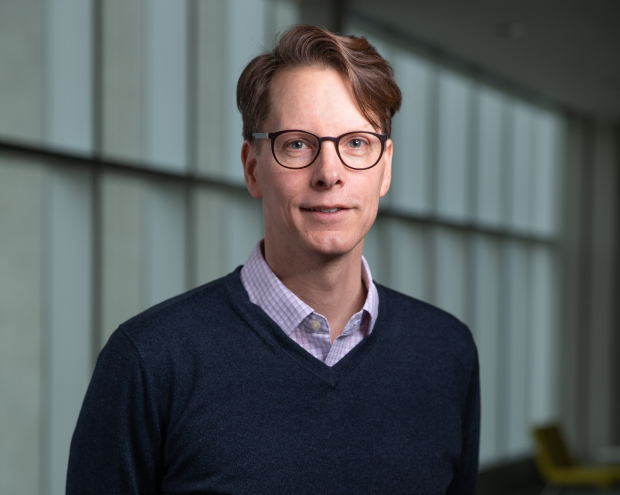
Paul Gribble - Sensory and Motor Systems, Brain Control of Movement
Understanding how the brain controls voluntary movement, with particular interest in motor learning, neural control of limb stiffness, and the sensory basis of motor learning. Using computational models of neural control and the effects of visual observation on motor learning.
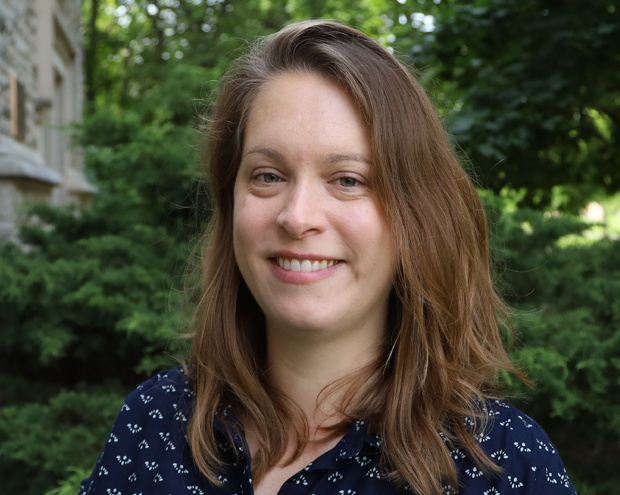
Morgan Gustison - Social Communication
Dr. Gustison directs the Social Neuroethology Lab. The goal of this lab is to understand the evolution and neural mechanisms of social communication across the lifespan. Current research focuses on acoustic signaling and social interactions in small mammals like the monogamous prairie vole. They take an interdisciplinary and comparative approach to their research, leveraging a variety of ethological, systems neuroscience, and computational methods.

Elizabeth Hampson - Reproductive Hormones, Cognition, and Mood
Understanding how reproductive hormones influence high-level cognitive functions and mood states across the lifespan, using a combination of cognitive testing, genetics, and hormonal assays.
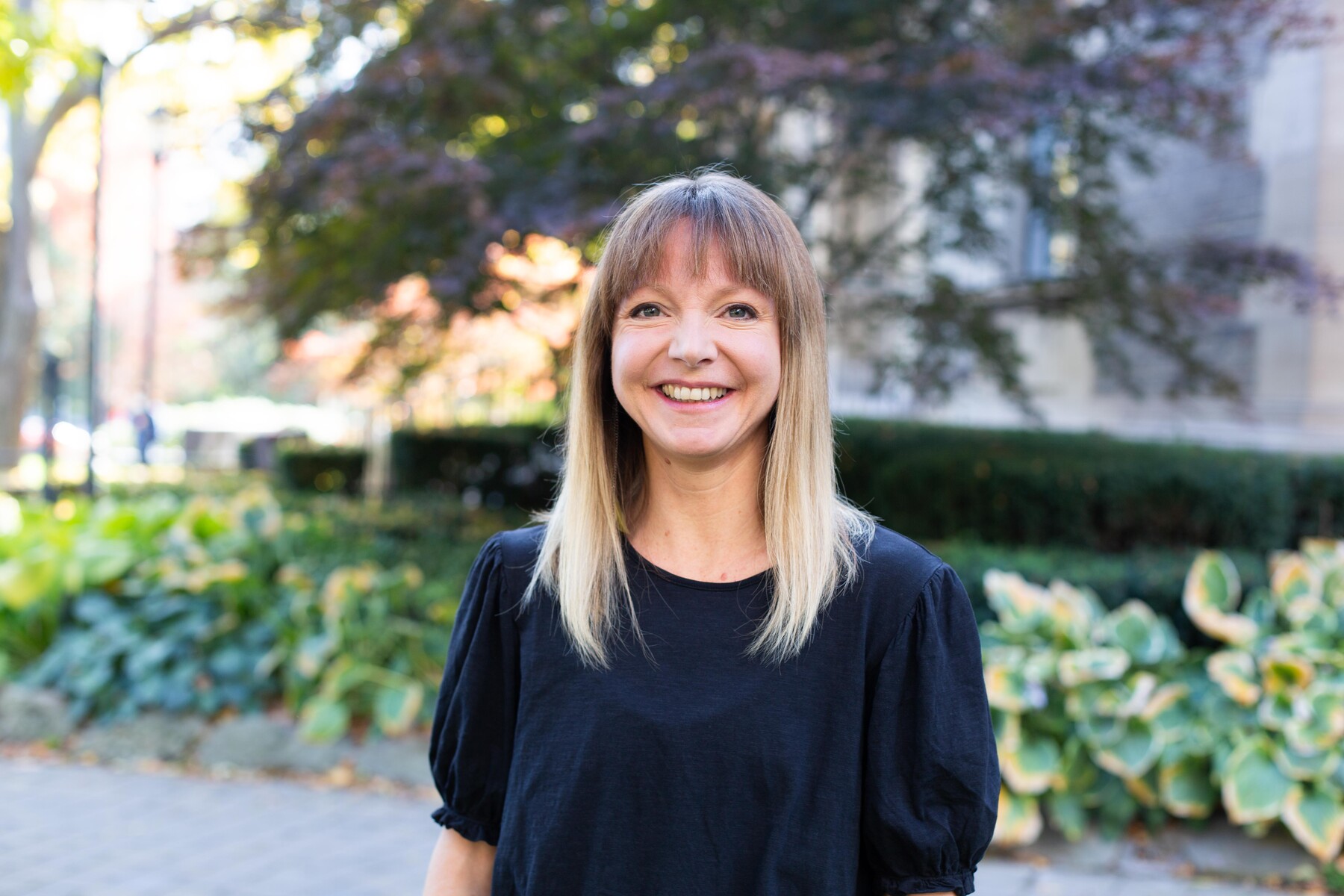
Fiona Hobler - Stuttering, Motor Learning, NeuroCognition
Investigating the neurocognitive and neurophysiological processes involved in speech production and motor learning, with a particular emphasis on developmental stuttering. The investigation of how neural mechanisms, attention, and learning capacities impact both developmental trajectories and treatment outcomes for individuals who stutter.
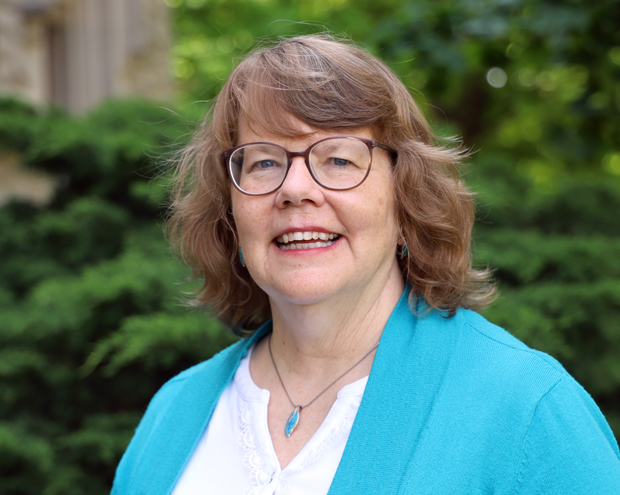
Debra Jared - Behaviour, Eye-Tracking, Electrophysiological Methodology
Understanding the cognitive processes underlying reading, with a particular focus on how bilingual individuals’ reading in one language is influenced by their knowledge of another language and its associated culture. Her work employs behavioral, eye-tracking, and electrophysiological methods, studying bilinguals across a range of languages including French, Russian, Japanese, Chinese, Spanish, Italian, Korean, and Malay.
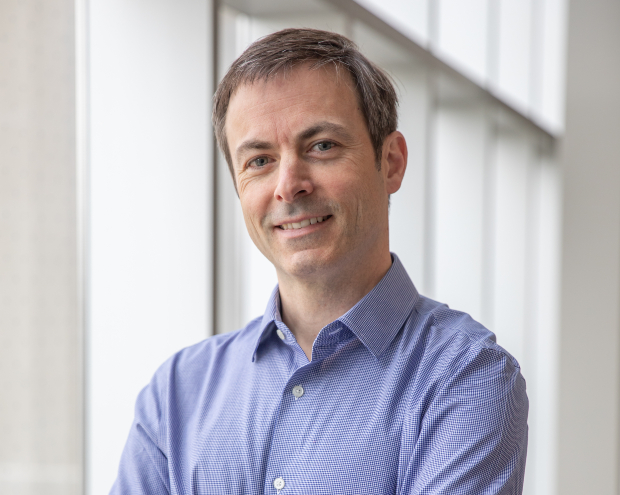
Marc Joanisse - Neurocognitive Basis of Language and Reading
Studying developmental dyslexia, language impairments, and the role of biology and experience in reading and language development. He uses neuroimaging and eye-tracking techniques, real-time language recognition in both children and adults, and studies the impact of experience and maturation on second language learning and bilingualism.
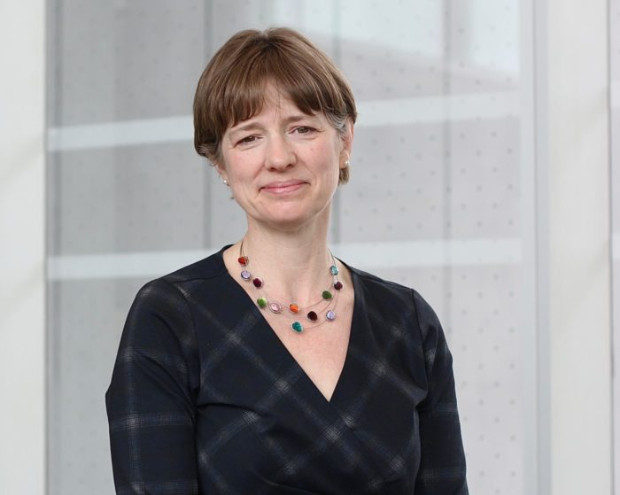
Ingrid Johnsrude - Clinical Neuropsychology and Brain Imaging
Investigating how individual cognitive differences and experiential factors contribute to the effort required to understand speech in challenging environments, such as when speech is masked or degraded. The goal is to better understand and reduce the cognitive demands that make listening in noise feel effortful and tiring.
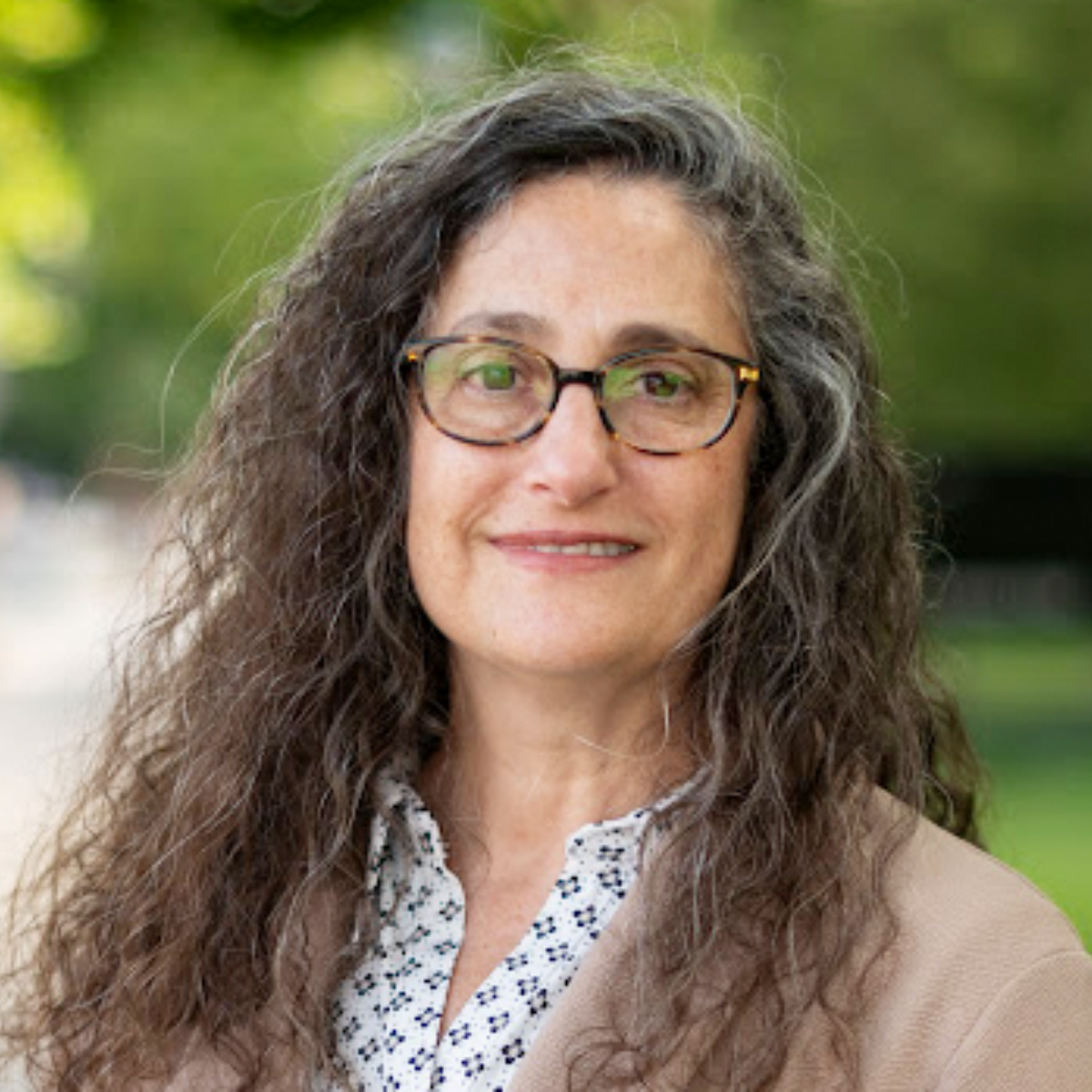
Robyn Klein - Viral Infection, Neuroimmunology, Memory
Studying how infectious diseases influence our cognitive functions, and the effects of viral infections and neuroinflammation on memory.
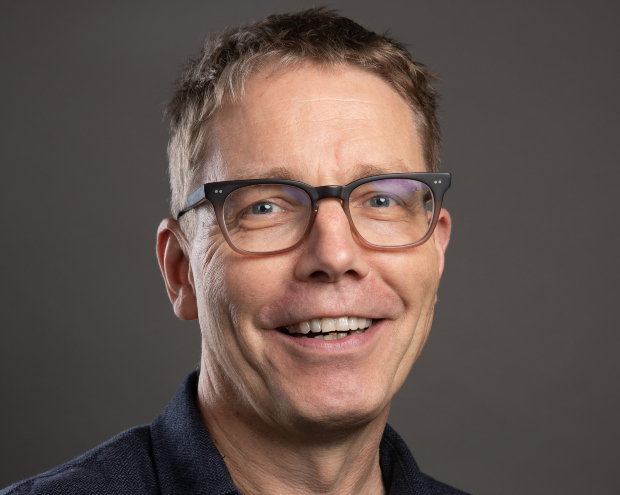
Stefan Kohler - Cognitive and Neural Mechanisms of Memory
Understanding the neural mechanisms underlying cognitive processes, particularly in areas such as memory and perception. His work integrates psychology and neuroscience to explore how the brain supports complex behaviors, with a specific emphasis on cognitive function and dysfunction.
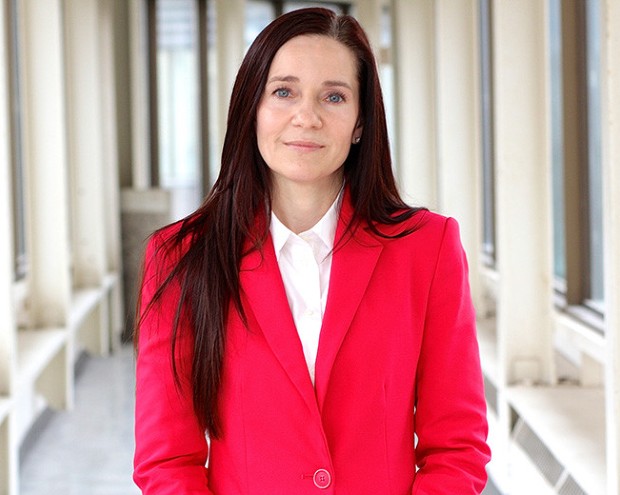
Penny MacDonald - Cognitive Neuroscience Neuroimaging, Movement Disorders
Studying neuroimaging, cognitive function, and movement disorders. She is also a physician with a clinical background in neurology and experimental psychology.
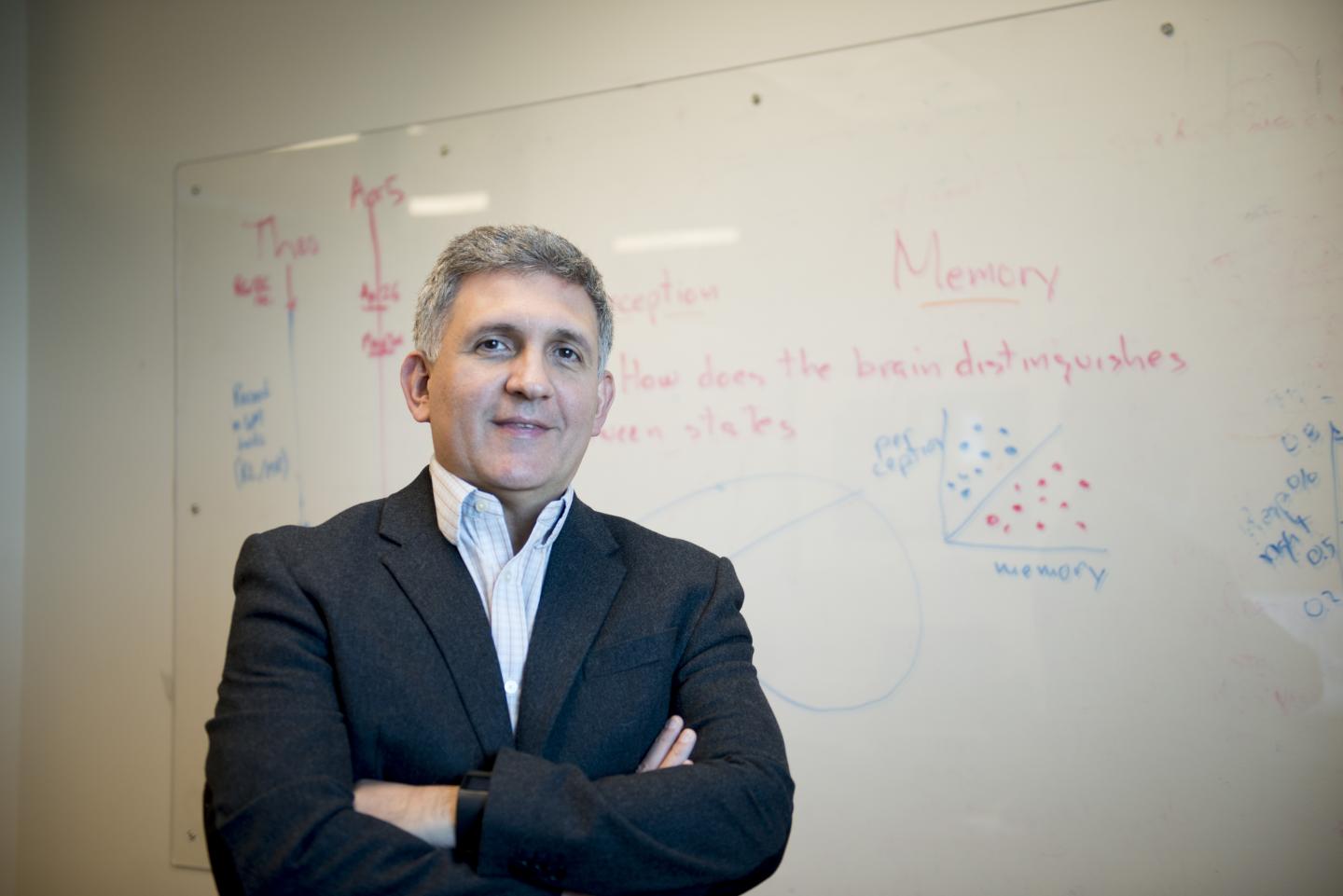
Julio Martinez-Trujillo - Attention, Gaze Control, Motion
Investigating the neurophysiological mechanisms of attention, gaze control, and visual motion processing in the brain using behavioral and electrophysiological techniques in both humans and non-human primates.

Ken McRae - Word Meaning and Sentence Comprehension
Studying how people understand word meanings and process sentences, using techniques such as neural imaging (ERP, fMRI), eye tracking, and neural network modeling. Work also extends to studying language processing in patient populations, particularly individuals with Parkinson's Disease.
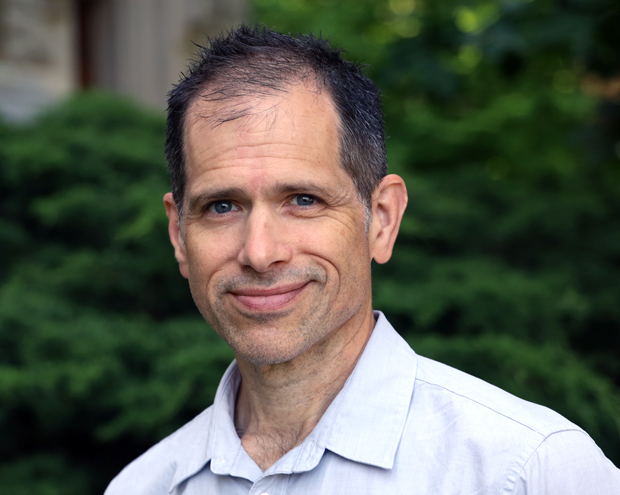
J. Paul Minda - Categorization, Concepts, and Decision Making
Studying how we categorize experiences and how these concepts influence behavior, decision-making, and planning, with particular emphasis on prototype theory and multiple-systems theories of categorization. Work spans humans, animals, and machines, contributing to our understanding of generalization across different learners.
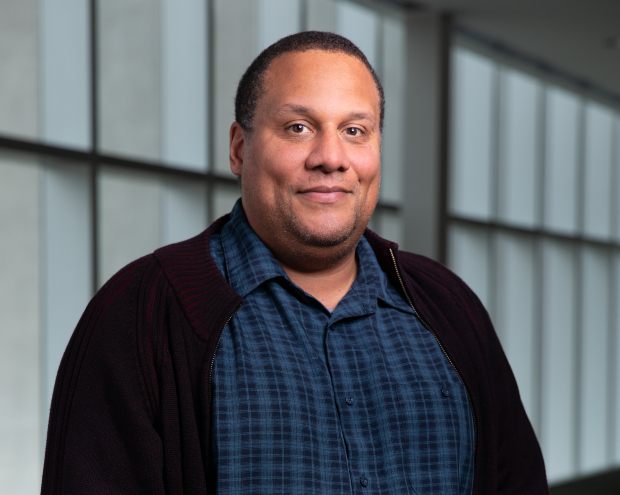
Derek Mitchell - Emotion, Cognition, Psychiatric Disorders
Studying how neural systems integrate emotion with cognition and behavior, investigating the neuroanatomy of emotions like fear and anxiety, and exploring the pathophysiology of psychiatric disorders using fMRI, MEG, and other techniques.
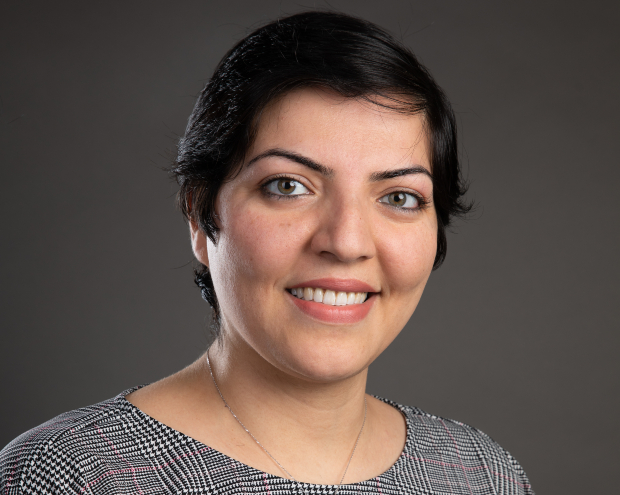
Yalda Mohsenzadeh - AI, Machine Learning
Understanding artificial intelligence, machine learning, deep learning, computer vision, and cognitive computational neuroscience, with a focus on methods for analyzing brain data.
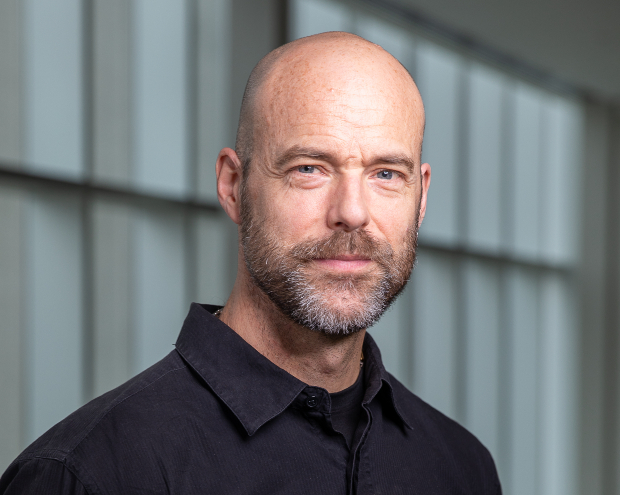
J. Bruce Morton - Development of Cognitive Control
Examining the development of cognitive control, focusing on how children learn to regulate their thoughts and actions, such as delaying rewards or shifting attention. He studies the neural underpinnings of these abilities using neuroimaging and EEG to track maturation in the prefrontal cortex and large-scale brain networks. His work also explores how genetic and experiential factors, including multilingualism, training, and sleep, influence the development of executive function.
Laura Murray - Language, Cognition, Neuroimaging
Investigating the interaction between language abilities and cognitive deficits in neurogenic disorders, including aphasia, traumatic brain injury, and progressive neurological diseases as well as developing assessment and treatment procedures for acquired language disorders and related symptoms.
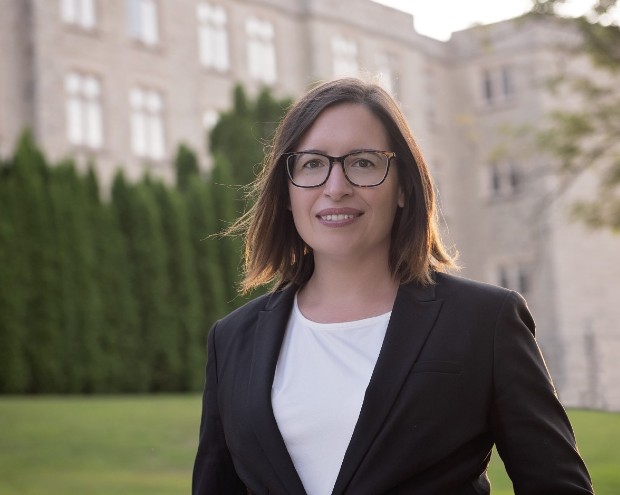
Loretta Norton - Cognition, Consciousness, Neuroimaging
Using neuroimaging techniques like EEG, evoked potentials, and fMRI to study cognition and consciousness in critically ill patient populations. Also exploring how to understand covert cognitive states and consciousness in patients who may be difficult to assess clinically.
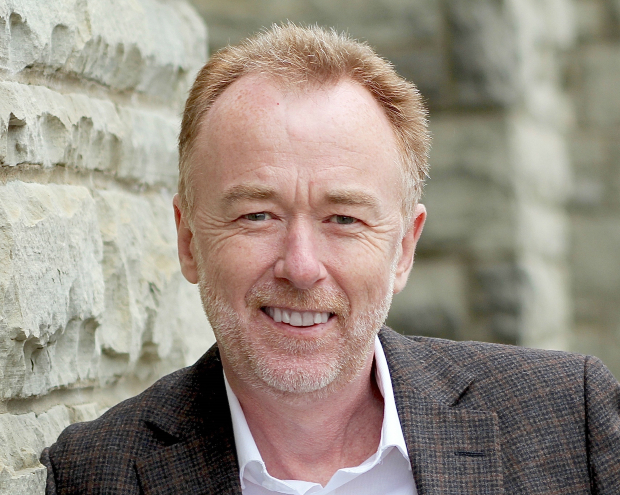
Adrian Owen - Consciousness, Neuroimaging
Discovering ways to communicate with patients who appear to be in a vegetative state, neuroimaging to illuminate the human brain's function and structure, challenging long-held views about brain training and intelligence. Additionally, his team is harnessing the power of computerized cognitive testing.
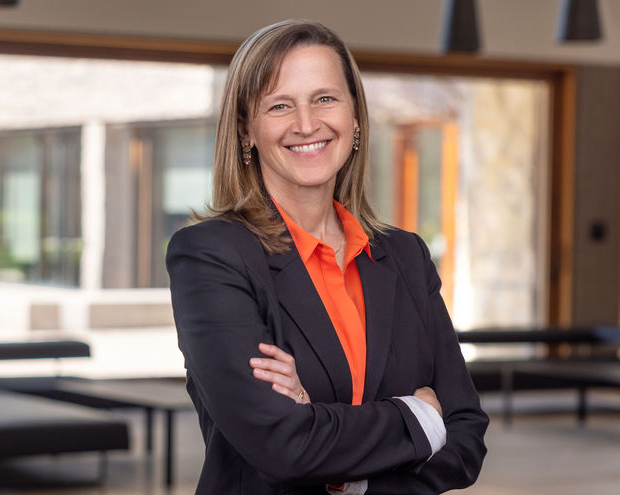
Penny Pexman - Cognitive Development and Psycholinguistics
Studying cognitive development, psycholinguistics, and cognitive neuroscience, specifically how we derive meaning from language and how these processes are affected by damage or experience.

Yasaman Rafat - Language, Culture, Hispanic Studies
Studying language through the lens of culture and Hispanic studies.