
Search Website
Sensory Systems
Sensory system research focuses on the neural mechanisms underlying sensory processing across multiple modalities, including somatosensation (touch, pain, itch), chemical senses (olfaction and taste), auditory and vestibular systems, vision, and multisensory integration.
Read more about sensory systems research happening at WIN below.

Brian Allman - Multisensory, Neuroplasticity, Tinnitus
Understanding how the brain integrates multisensory information, adapts to hearing loss, and the mechanisms behind tinnitus. His work aims to understand the neural processes involved in these areas to improve treatments for related conditions.
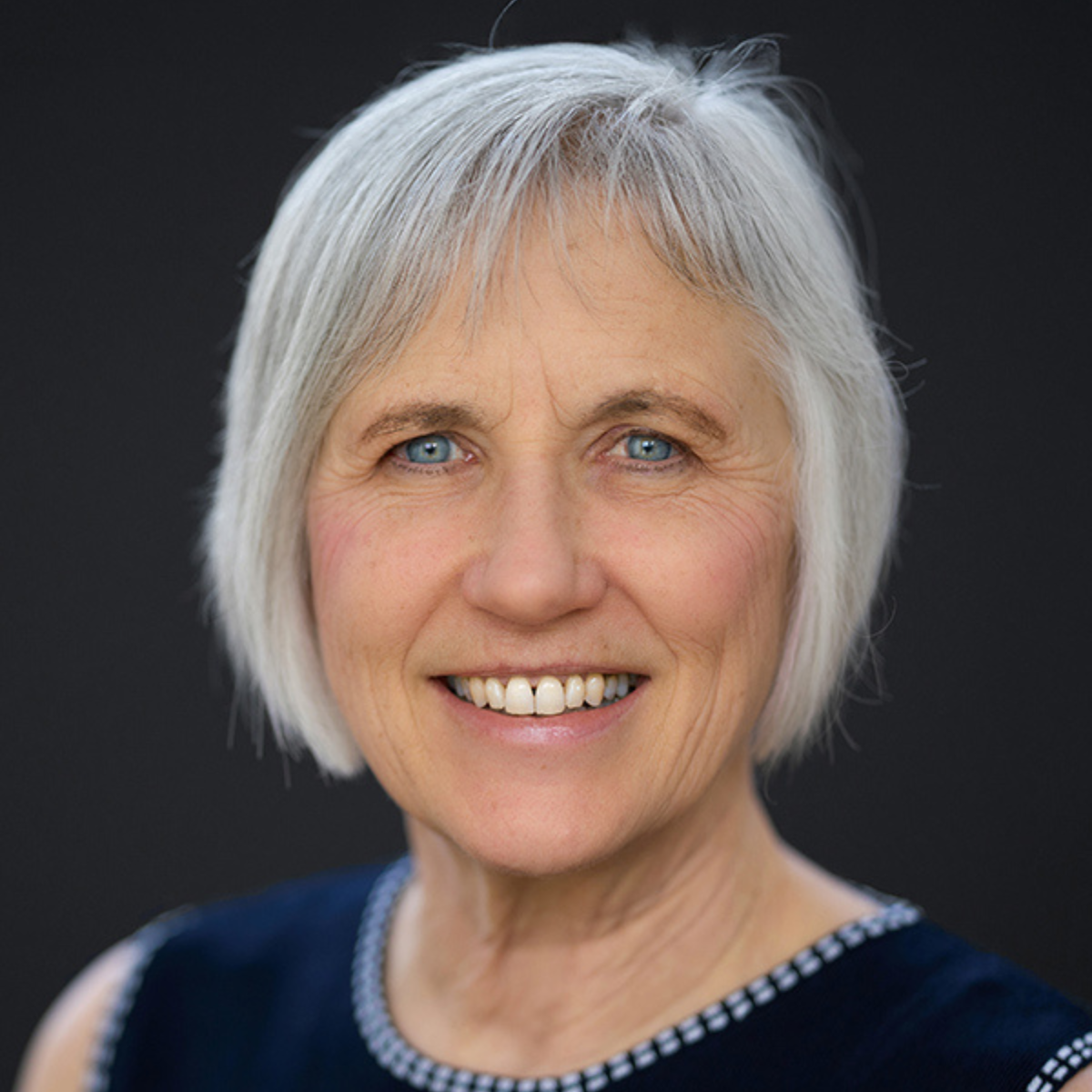
Lisa Archibald - Memory, Language Learning, Language Impairments
Understanding the memory and learning mechanisms involved in language processing, identifying children with language learning impairments, and implementing evidence-based clinical practices through collaborative research partnerships.

Marlene Bagatto - Infant and Child Hearing Loss
Integrating policy and practice for infant and child hearing, developing and implementing evidence-based clinical protocols, standardizing newborn hearing screening, and providing comprehensive audiological services.
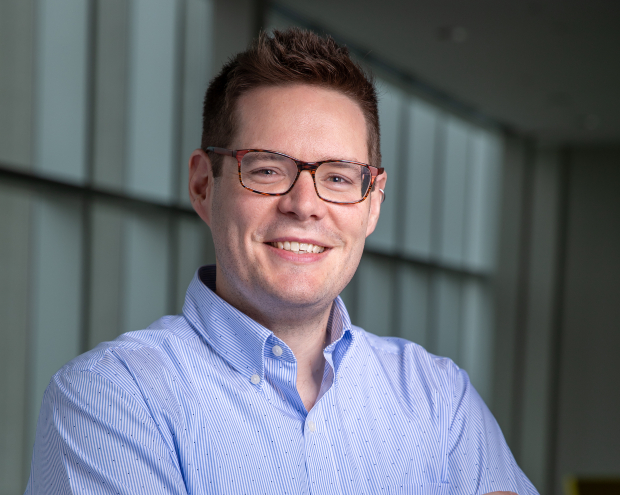
Blake Butler - Experience & Plasticity in the Development of Sensory Systems
Investigating the role of experience & plasticity in the development of sensory systems, with a focus on hearing loss and restoration. The combination of behavioural, neuroimaging, and anatomical approaches across models.
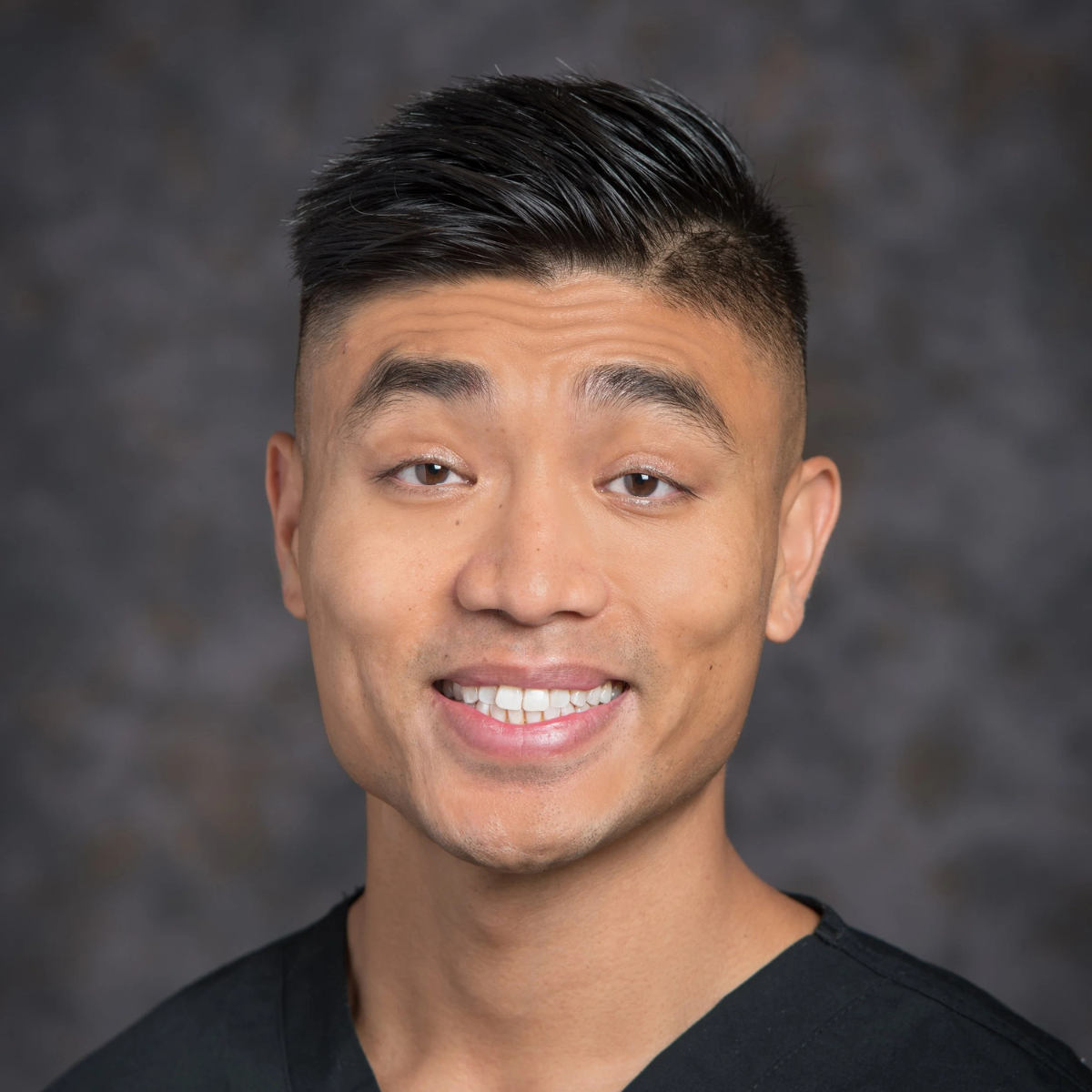
Tommy Chan - Headache Disorders
Primary and secondary headache disorders, advancing the understanding and treatment of these conditions through research and contributions to the field.
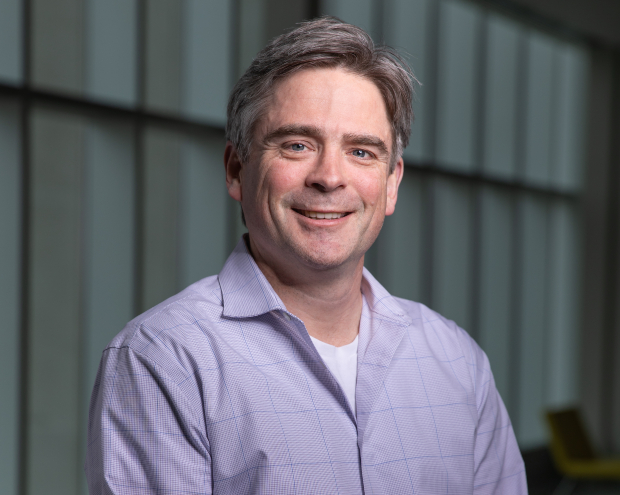
Brian Corneil - Brain Control of Movement, Gaze in Non-Human Primates
Understanding how the brain transforms visual information into action, particularly how cortical and subcortical areas coordinate movement in a dynamic environment. Seeking to enhance the understanding of brain changes after injury or disease and inform non-invasive brain stimulation therapies.

Jody Culham - Vision and Perception
Studying how vision is used for perception and action in the real world, utilizing behavioral methods and functional neuroimaging. Using virtual reality, simulated 3D, and video games to enhance realism and address new theoretical questions.
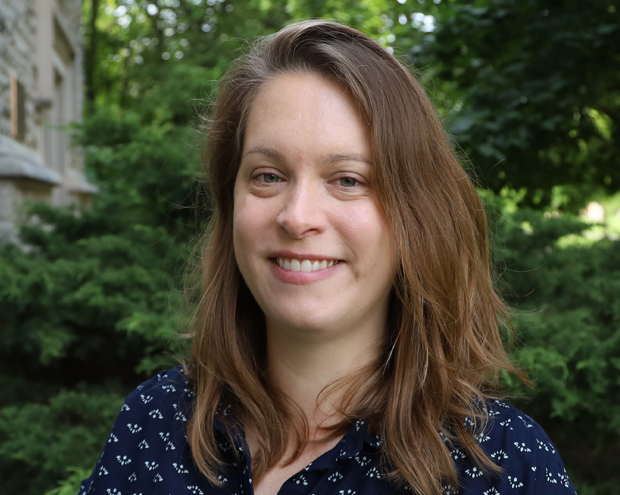
Morgan Gustison - Social Communication
Dr. Gustison directs the Social Neuroethology Lab. The goal of this lab is to understand the evolution and neural mechanisms of social communication across the lifespan. Current research focuses on acoustic signaling and social interactions in small mammals like the monogamous prairie vole. They take an interdisciplinary and comparative approach to their research, leveraging a variety of ethological, systems neuroscience, and computational methods.
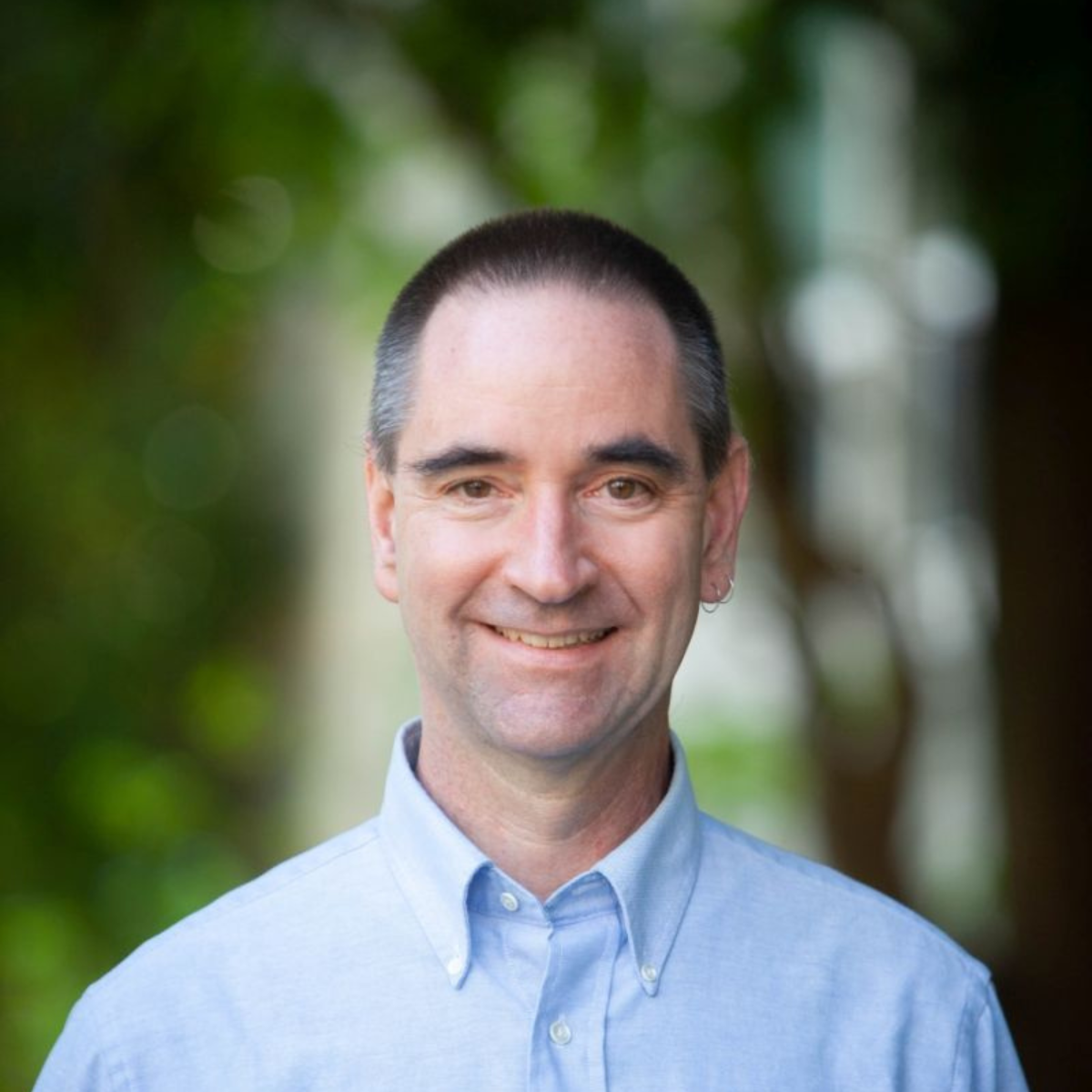
Ewan Macpherson - Hearing, Sound Localization, Spectral Cues
Studying vertical-plane sound localization with distorted spectral cues.
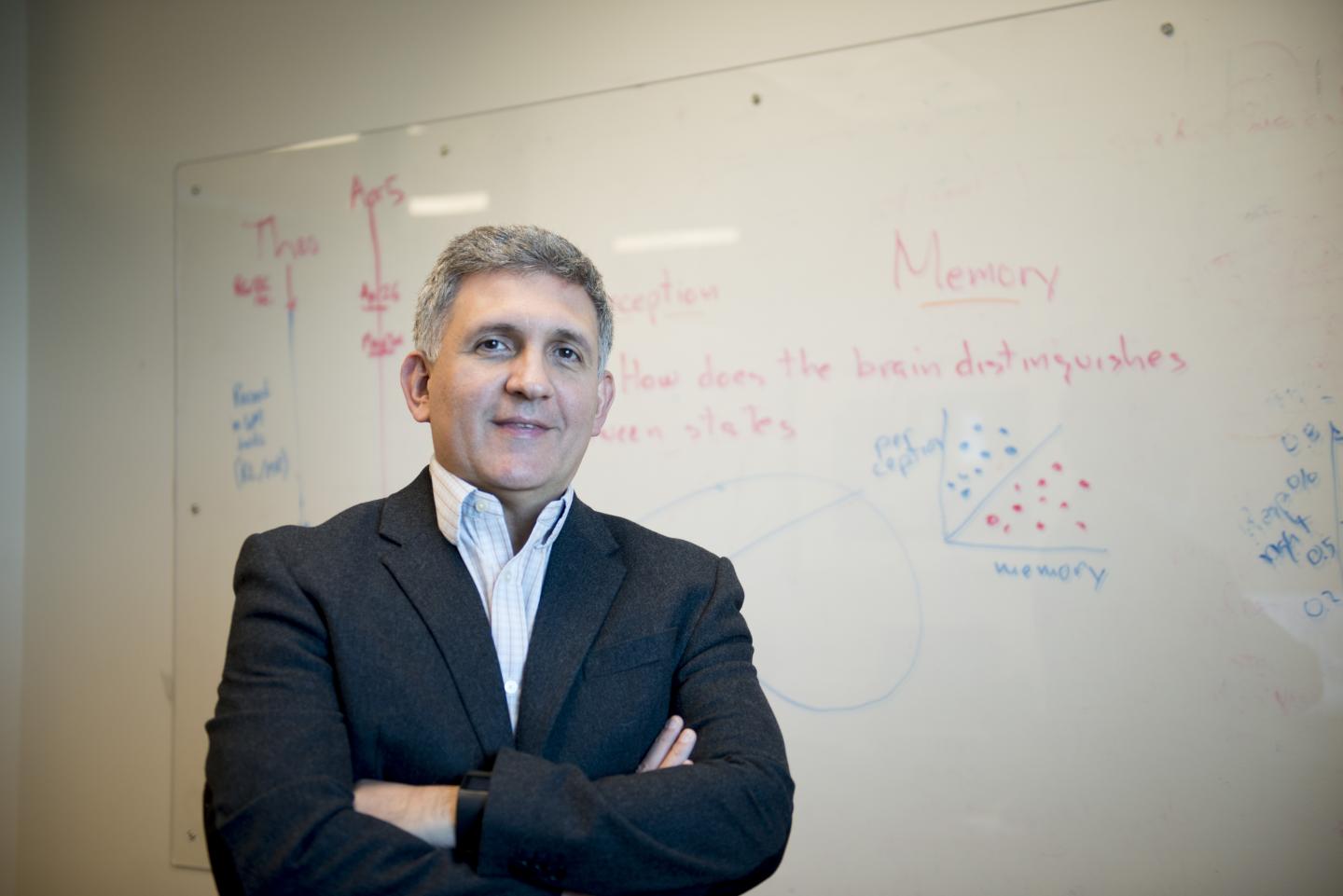
Julio Martinez-Trujillo - Attention, Gaze Control, Motion
Understanding the neurophysiological mechanisms of attention, gaze control, and visual motion processing in the brain using behavioral and electrophysiological techniques in both humans and non-human primates.

Natasha Mhatre - Acoustic Communication, Sensory Systems, Modelling
Studying the intersection of biology and physics in acoustic and vibratory communication in insects and spiders, integrating sensory systems, behavior, and environmental interactions through experimental and modeling approaches.

Laura Murray - Language, Cognition, Disorders
Understanding the interaction between language abilities and cognitive deficits in neurogenic disorders, including aphasia, traumatic brain injury, and progressive neurological diseaases as well as developing assessment and treatmentprocedures for acquired language disorders and related symptoms.
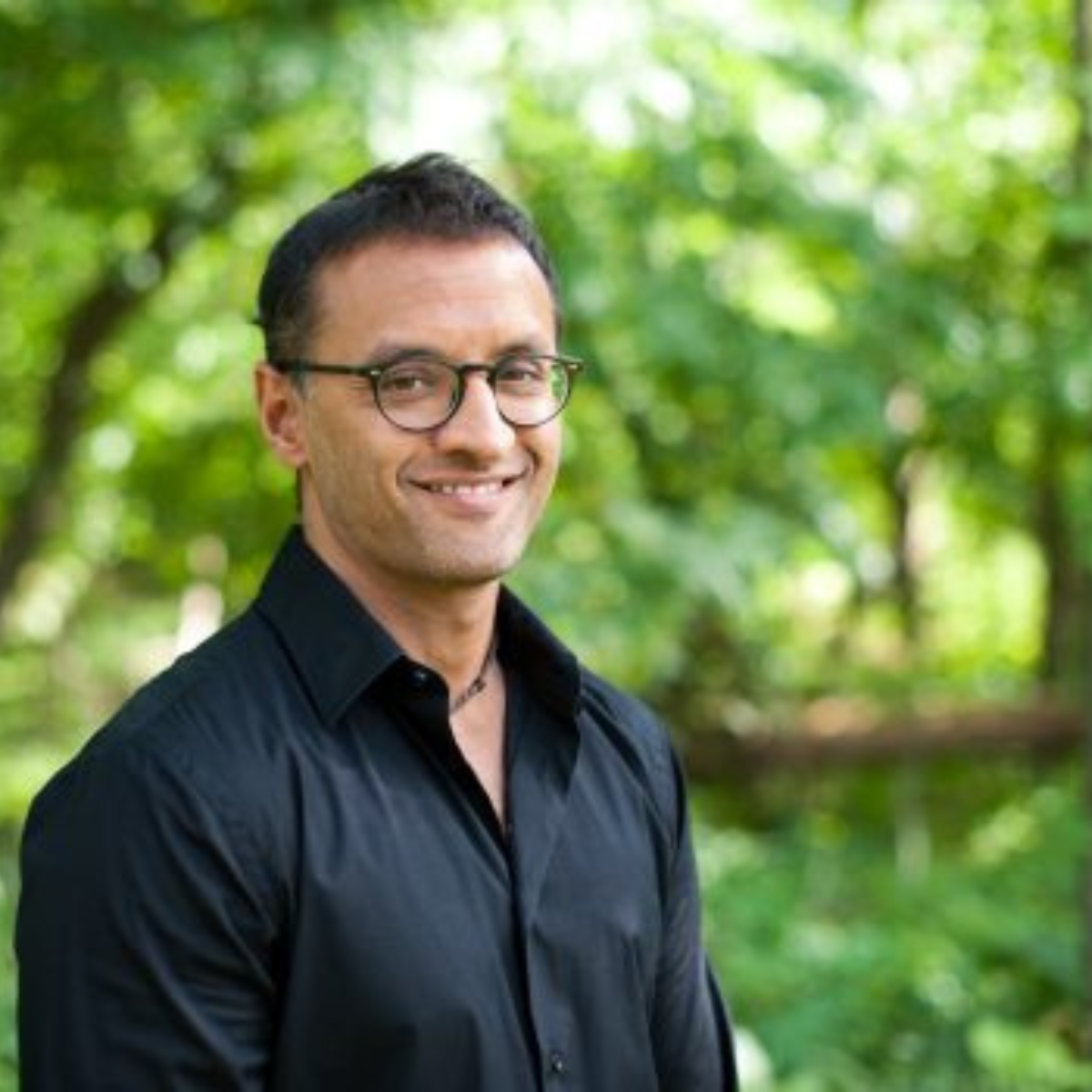
Naveen Poonai - Procedural Sedation, Management of Acute Pain
Understanding procedural sedation and acute pain management in children as well as evidence-based emergency medicine in paediatrics.
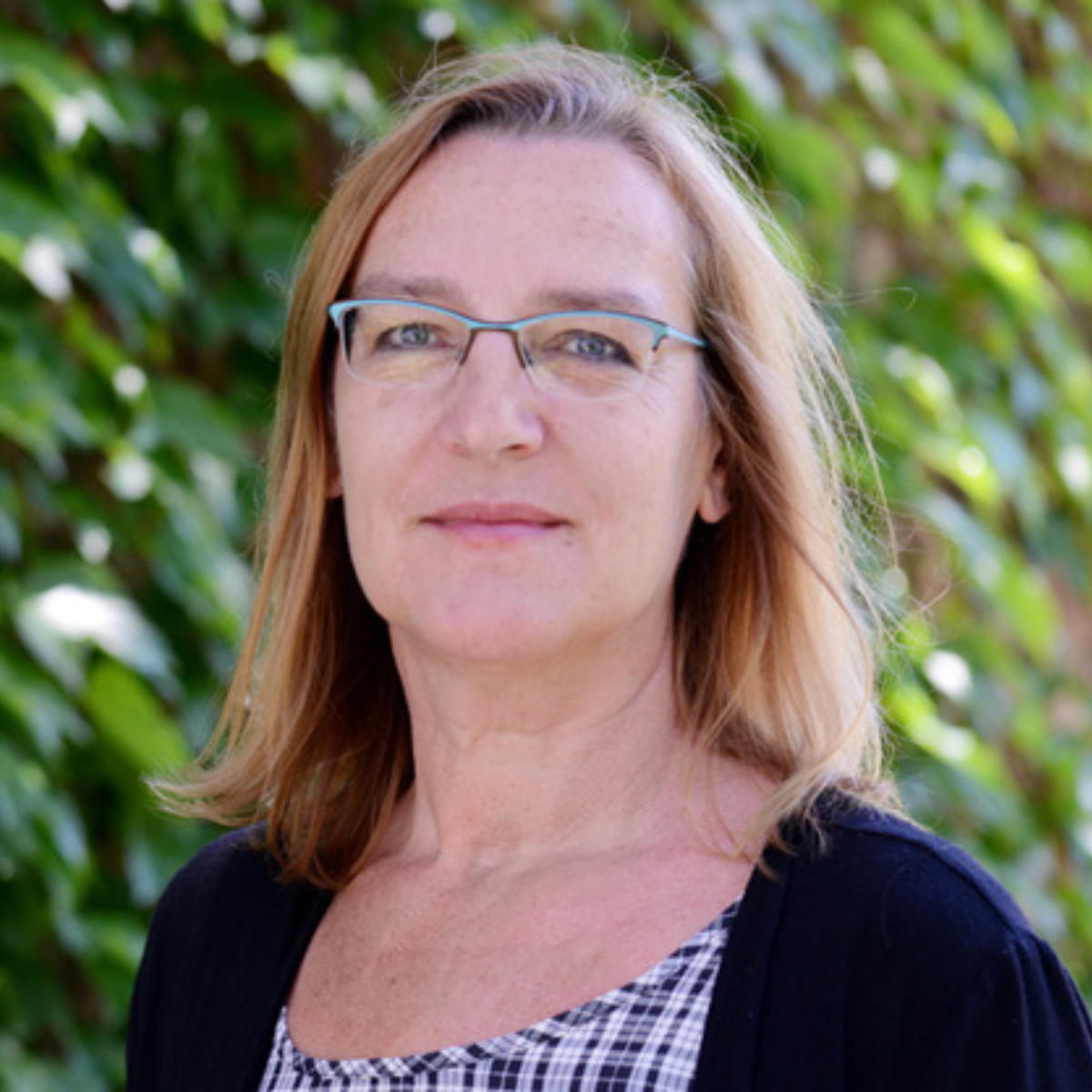
Susanne Schmid - Sensory Systems, Cognition, Neurodegenerative Disorders
Understanding the early stages of sensory information processing and filtering, particularly how sensory stimuli are modulated by neural circuits in the brain, with an emphasis on habituation and prepulse inhibition. Also, the investigation of the cellular and molecular mechanisms underlying these processes, and their disruption in conditions like schizophrenia and neurodegenerative diseases.
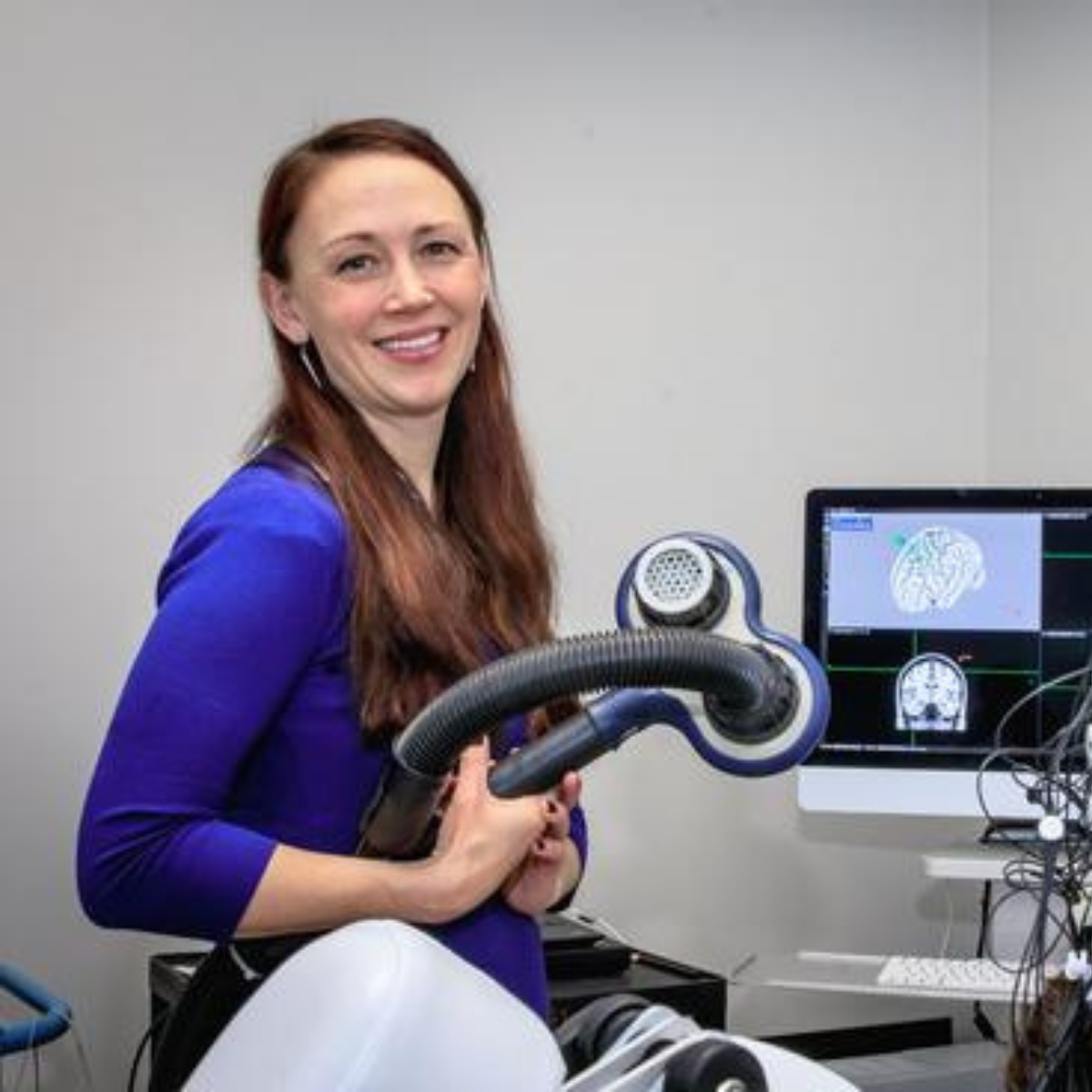
Siobhan Schabrun - Chronic Pain, Neuroplasticity, Biomarkers
Identifying cortical biomarkers that predict the development of chronic pain and understanding the neurobiological mechanisms behind the transition from acute to chronic pain. Also the development and testing of non-invasive brain stimulation treatments for pain, using advanced techniques like TMS-EEG and peripheral electrical stimulation.

Susan Scollie - Sensory Systems, Physiology and Behaviour, Techniques
The efficacy of hearing aid signal processing and outcomes for infants, children, and adults who use hearing aids. She is also involved in hearing aid verification strategies and simulation in education, contributing to advancements in pediatric hearing aid fitting standards.
Dave Seminowicz - Chronic Pain, Cognition, Brain
The exploration of the cognitive aspects of pain, focusing on how brain activity related to pain and cognition interact, as well as how chronic pain affects brain structure and function. Also the investigation of individual differences in pain response and the impact of chronic pain on cognitive abilities, with an emphasis on intervention studies in clinical populations like chronic low back pain, migraine, and burning mouth syndrome.
Ryan Stevenson - Sensory Perception
Studying sensory perception across the lifespan, particularly how changes in sensory perception impact cognitive processes like speech perception. Work includes studies with neurotypical individuals and special populations, such as those with Autism Spectrum Disorders and cochlear implant users, using behavioral measures, neuroimaging (fMRI, EEG), and neuropsychological methods.
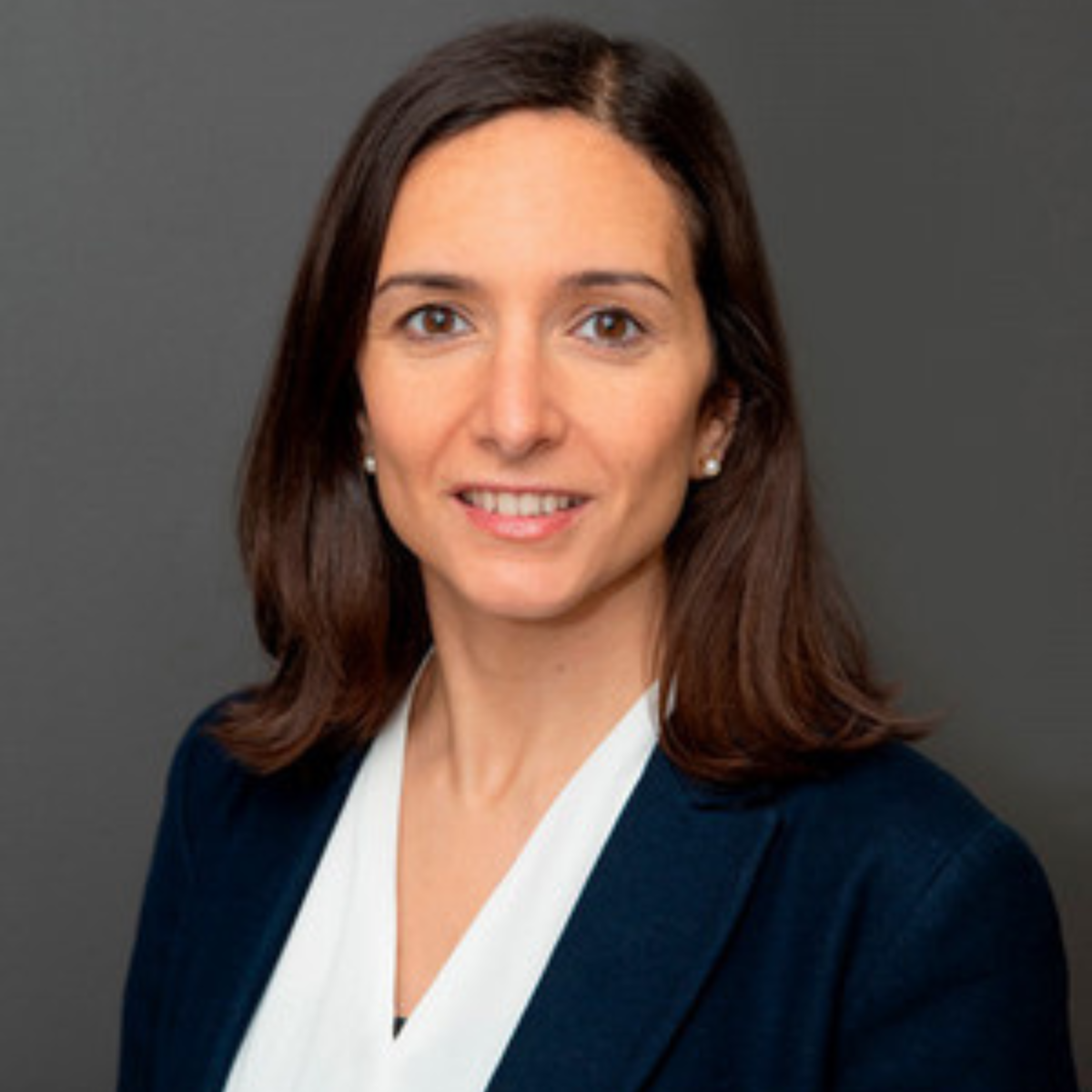
Ana Suller-Marti - Epilepsy, Headache, Education
Studying headache management, neuromodulation, and epilepsy education, with contributions to clinical trials, international conferences, and the development of training resources for epilepsy fellow.
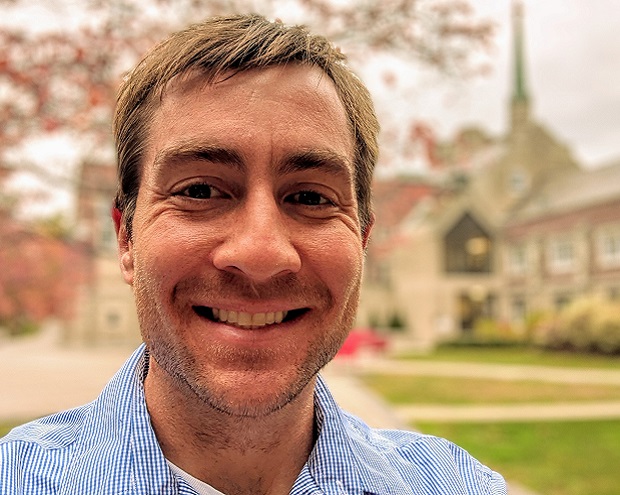
Steven Van Hedger - Perceptual Expertise, Learning and Memory, Pattern Recognition
Exploring the principles of learning, memory, and pattern recognition, with a specific focus on perceptual expertise. His work investigates how expertise develops and is maintained, examining topics such as absolute pitch, statistical learning in speech and music, and degraded speech understanding.