
Search Website
Excitability, Synapses, and Glia
Research in this area explores the molecules and mechanisms underlying synaptic transmission, plasticity, and neuronal network function, including the roles of glial cells. It applies these insights to disorders such as epilepsy, demyelinating diseases, and neuro-oncology, spanning genetic, molecular, and therapeutic approaches.
Discover more about the research being done in this field by WIN members below.

Jorge Burneo - Epilepsy, Epidemiology, Global Health
Understanding neuro-epidemiology, particularly the epidemiology of epilepsy, the use of imaging in assessing epileptic malformations, and global health initiatives to improve epilepsy care.
Chantel Cacciotti - Brain Tumors and Cancer Survivorship
Developing and executing pediatric clinical trials (especially for paediatric brain tumor patients), and long-term paediatric cancer survivorship.
Tommy Chan - Headache Disorders
Studying primary and secondary headache disorders, advancing the understanding and treatment of these conditions through research and contributions to the field.
Brian Corneil - Brain Control of Movement, Gaze in Non-Human Primates
Understanding how the brain transforms visual information into action, particularly how cortical and subcortical areas coordinate movement in a dynamic environment. Seeking to enhance the understanding of brain changes after injury or disease and inform non-invasive brain stimulation therapies.
Sandrine di Ribaupierre - Medical Education, Simulation, Epilepsy
Studying medical education using virtual and augmented reality tools, particularly for neuroanatomy and surgical simulation.
Matthew Hebb - Brain Cancer, Pathophysiology, Treatment
Investigating the pathophysiology of brain cancer and exploring potential new treatment options for currently incurable brain tumors.
Wataru Inoue - Stress, Neuroplasticity, Glia
Understanding how stress-induced changes in neural circuits and glial cell interactions contribute to synaptic plasticity.
Mohamed Adil Shah Khoodoruth - Neurodevelopmental Psychiatry, Genetics, Schizophrenia
Studying neurodevelopmental disorders, including ADHD and autism, as well as the genetic and epigenetic mechanisms underlying treatment-resistant schizophrenia. Advancing precision psychiatry through the study of psychiatric genetics, proteomics, and innovative treatments for child and adolescent mental health.

Wei-Yang Lu - Synaptic Plasticity, Inflammation, GABA
Studying the mechanisms through which inflammation affects synaptic plasticity and glutamatergic transmission, as well as the role of GABA signaling in non-neuronal cells.
Ken McRae - Word Meaning and Sentence Comprehension
Understanding how people understand word meanings and process sentences, using techniques such as neural imaging (ERP, fMRI), eye tracking, and neural network modeling. Work also extends to studying language processing in patient populations, particularly individuals with Parkinson's Disease.
Seyed Mirsattari - Epilepsy, Brain Mapping, Plasticity
Studying brain plasticity in patients with intractable epilepsy and brain tumors, non-invasive brain mapping using fMRI for epilepsy surgery candidates, and the development of new animal models of epilepsy.
Amanda Moehring - Genetics, Behaviour, Neuroscience
Understanding the genetic and neural bases of variation in female aggression and mating receptivity using Drosophila as a model system, combining genetics, neuroscience, and behavioral assays.
Michael Nicolle - Myasthenia Gravis, Clinical Trials, Immunosuppresive Therapies
Studying myasthenia gravis (MG), including clinical trials of therapies, the study of atypical and ocular manifestations, and the experiences of pregnant women with MG. The exploration of novel immunosuppressive treatments, mutations in congenital myasthenic syndromes, anti-MuSK antibodies in seronegative MG, and conducts research in EMG studies, including single fibre EMG and entrapment neuropathies.

Maryam Nouri - Paediatric Epilepsy, Pathophysiology, Outcomes
Understanding the pathophysiology of autoimmune causes of pediatric epilepsy, improving diagnostic accuracy, access to therapies, and patient outcomes, while also exploring medically refractory epilepsy and epilepsy surgery.
Naveen Poonai - Procedural Sedation, Management of Acute Pain
Studying procedural sedation and acute pain management in children as well as evidence-based emergency medicine in paediatrics.
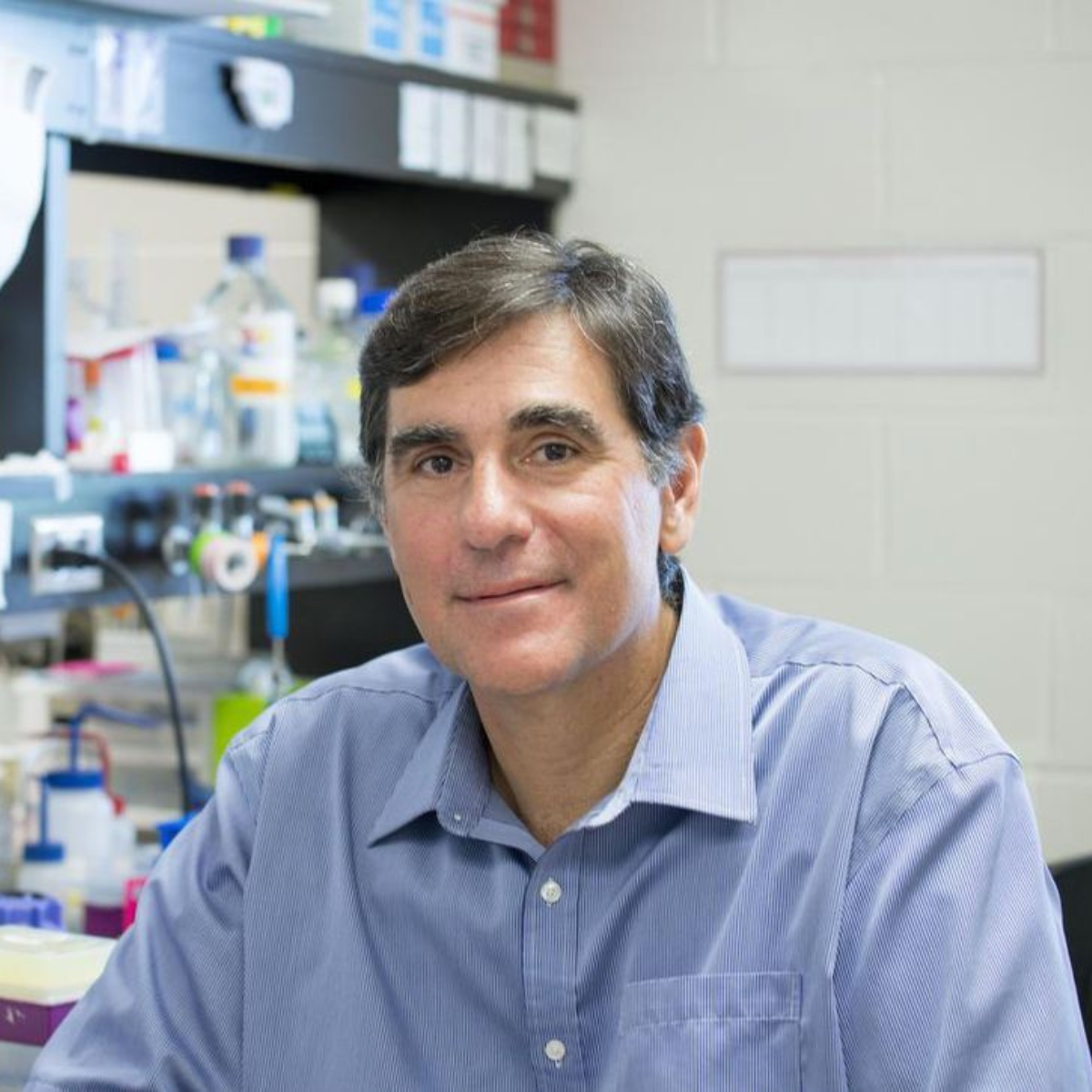
Marco Prado - Neuronal Communication, Neurodegeneration, Pharmacological Targets
Understanding the cellular and molecular basis of neuronal communication, how it is altered in neurodegenerative diseases like Alzheimer's and Huntington's, and developing novel pharmacological targets to treat these disorders, with a particular emphasis on cholinergic synapses and prion diseases.
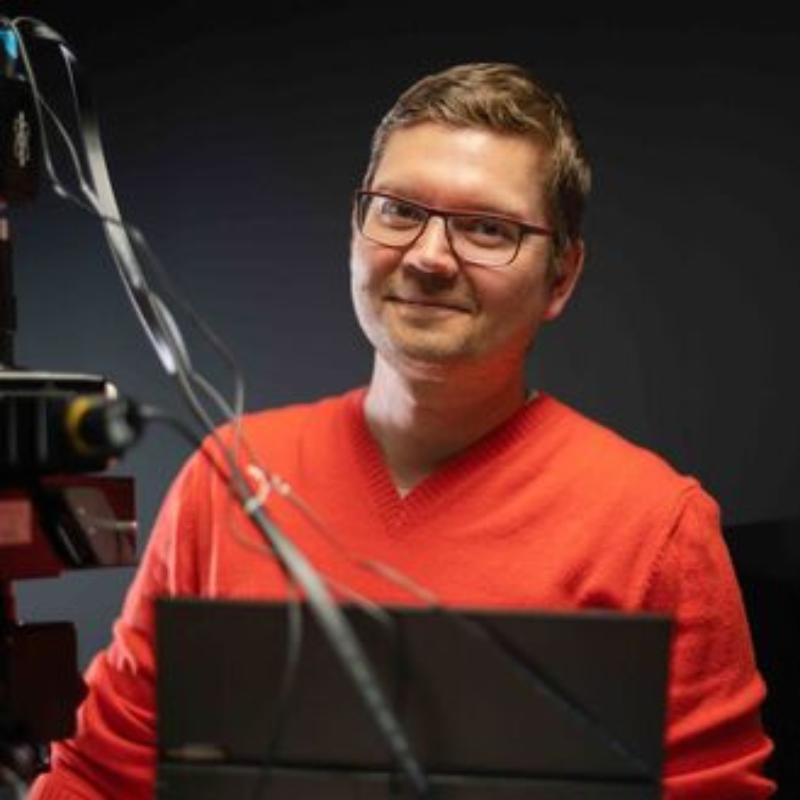
Andrew Pruszynski - Sensorimotor Function, Neurophysiology, Rehabilitation
Understanding how the nervous system coordinates the complex interactions between the body’s mechanical properties and neural circuits during arm movement and object manipulation. This work combines neurophysiology, modeling, behavioral studies, and patient research to improve treatment for conditions like nerve and spinal cord injuries, as well as diseases such as ALS.

Rithwik Ramachandran - Receptor Signaling, Pharmacology, Inflammation
Studying the molecular pharmacology of G-protein coupled receptors (GPCRs) and Transient Receptor Potential (TRP) ion channels, exploring their roles in inflammation, pain, and various diseases like cancer, cardiovascular diseases, and osteoarthritis. The use of advanced techniques to study receptor signaling pathways and develop novel therapeutic strategies, including targeted interventions for diseases and inflammation.
Jane Rylett - Cholinergic Function, Neurobiology, Alzheimer's
Understanding the cellular and molecular mechanisms regulating cholinergic neurons, with an emphasis on how neurochemical communication is altered in aging and diseases like Alzheimer’s. The investigation of the role of cholinergic proteins, their regulation through phosphorylation, and the impact of cholinergic dysfunction on cognitive and motor functions, using advanced imaging and genomic techniques.
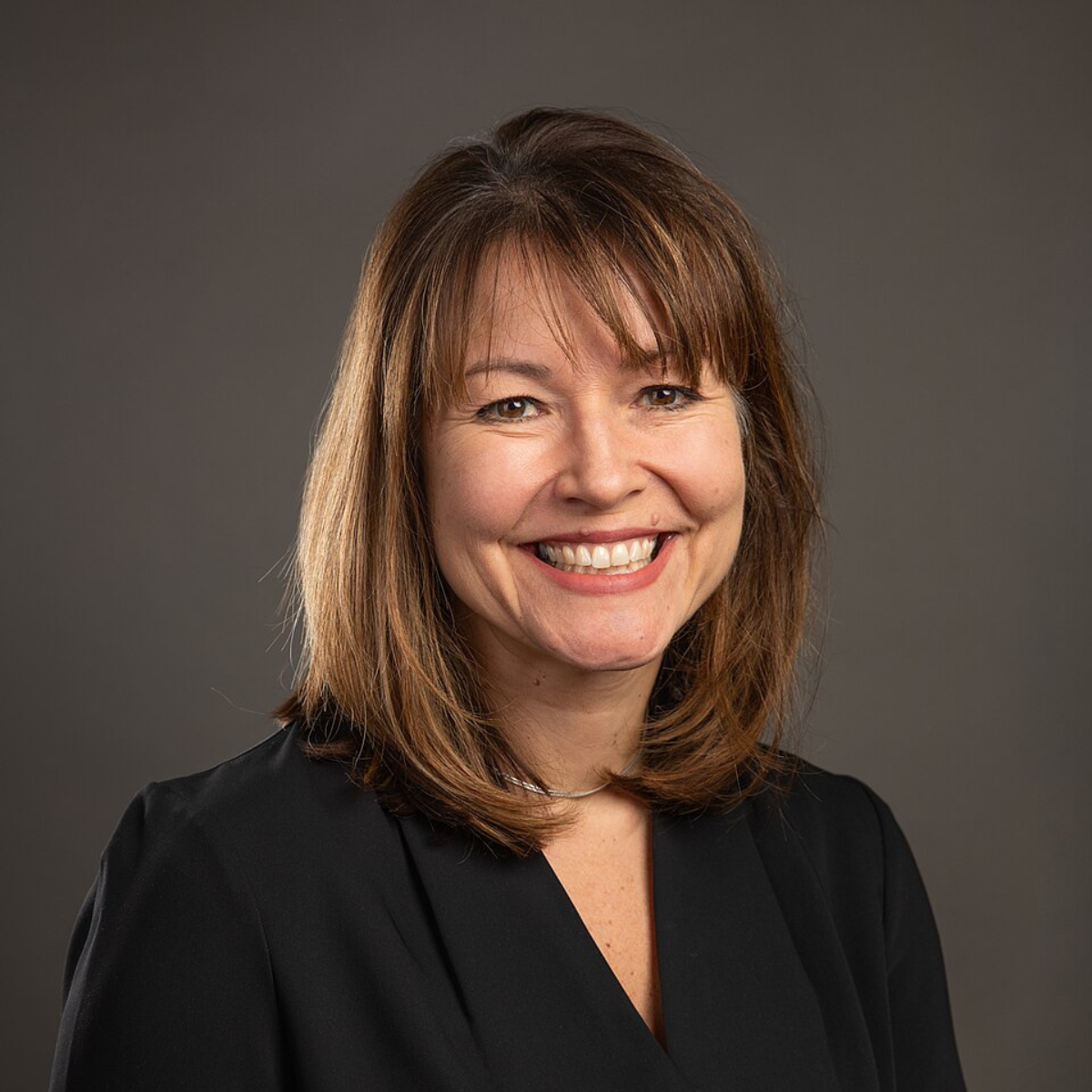
Lisa Saksida - Brain Circuits, Cognition, Disease
Understanding brain circuits and mechanisms underlying cognition in both healthy brains and disease models, with a particular emphasis on Alzheimer’s and schizophrenia.
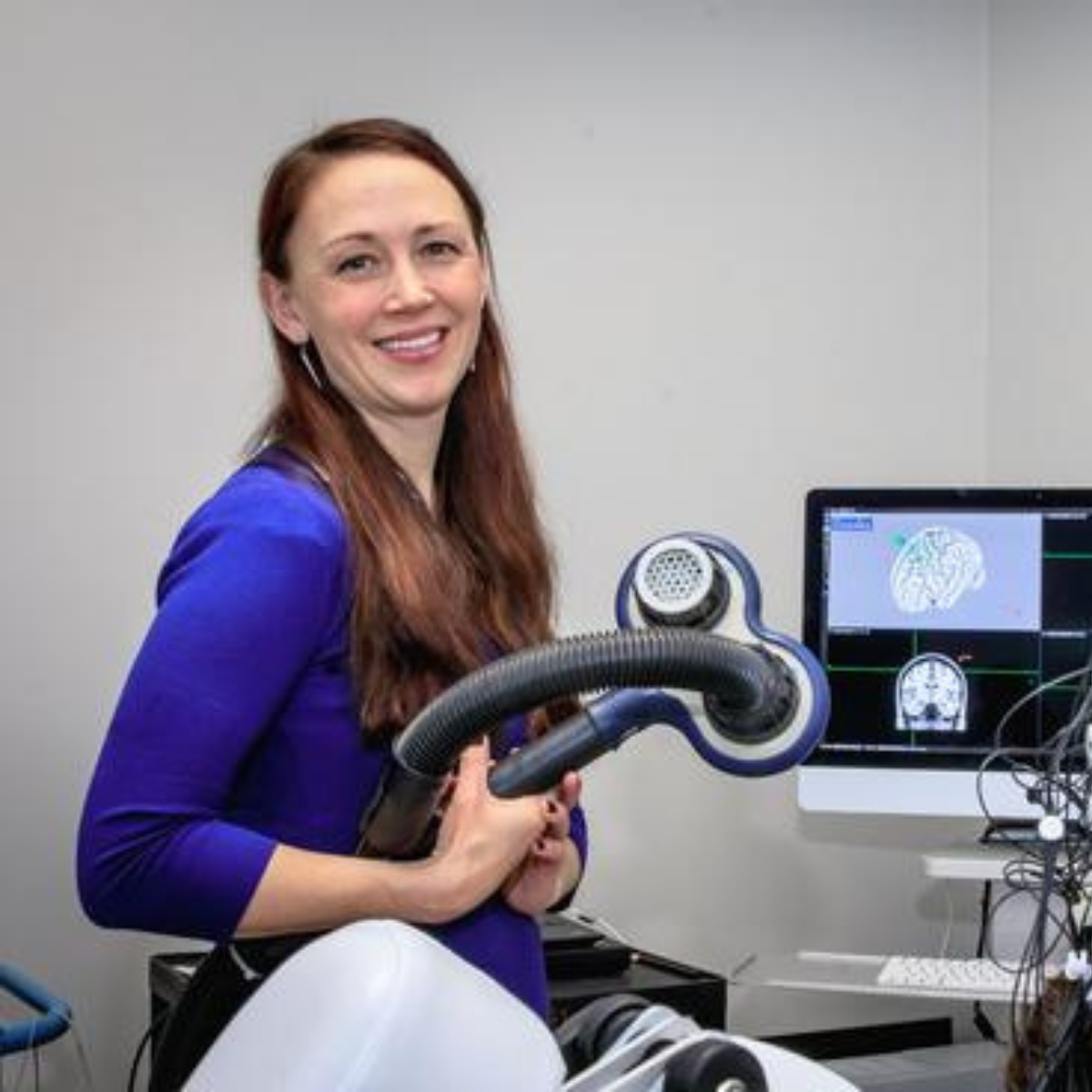
Siobhan Schabrun - Chronic Pain, Neuroplasticity, Biomarkers
Identifying cortical biomarkers that predict the development of chronic pain and understanding the neurobiological mechanisms behind the transition from acute to chronic pain. Also the development and testing of non-invasive brain stimulation treatments for pain, using advanced techniques like TMS-EEG and peripheral electrical stimulation.
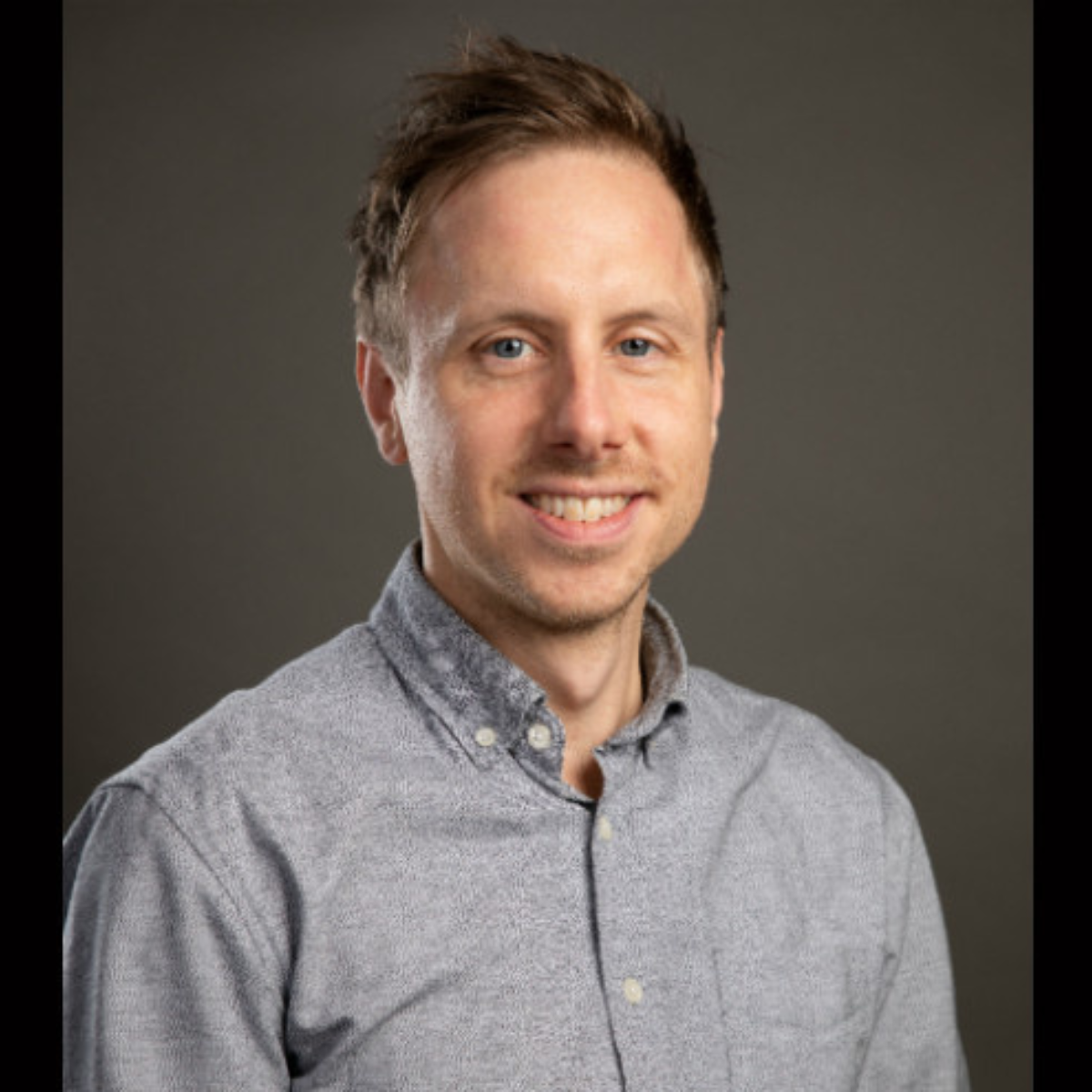
Taylor Schmitz - Cholinergic Systems, Brain Resilience, Neurodegeneration
Understanding the interaction between ascending neuromodulatory systems, particularly the cholinergic system, and the cortex, exploring both their basic organization and their vulnerability to dysfunction and degeneration. Exploring the mechanisms of brain resilience to aging and the early stages of Alzheimer’s disease, utilizing cross-species neuroimaging and cognitive profiling techniques.
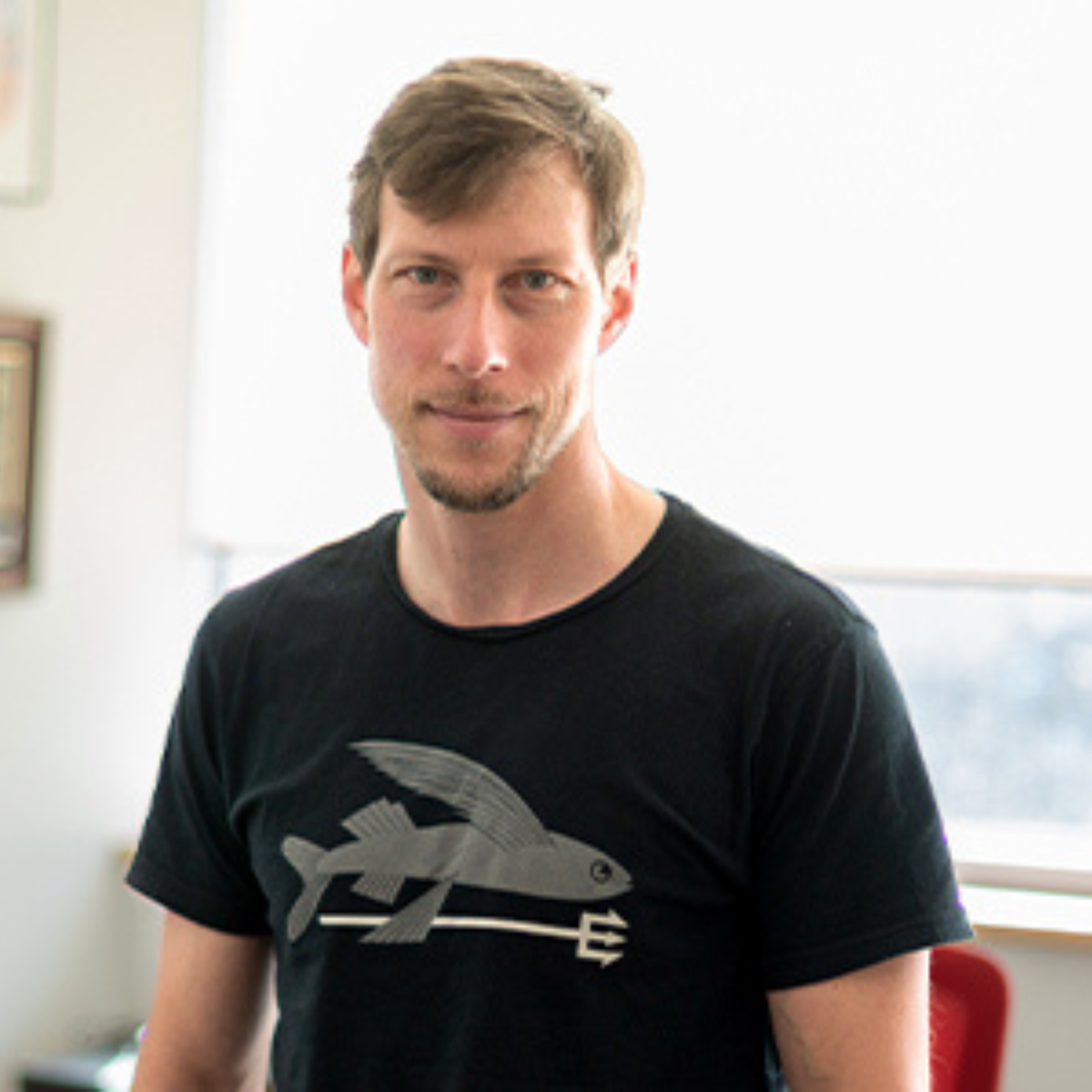
Dave Seminowicz - Chronic Pain, Cognition, Brain
The exploration of the cognitive aspects of pain, focusing on how brain activity related to pain and cognition interact, as well as how chronic pain affects brain structure and function. Also the investigation of individual differences in pain response and the impact of chronic pain on cognitive abilities, with an emphasis on intervention studies in clinical populations like chronic low back pain, migraine, and burning mouth syndrome.
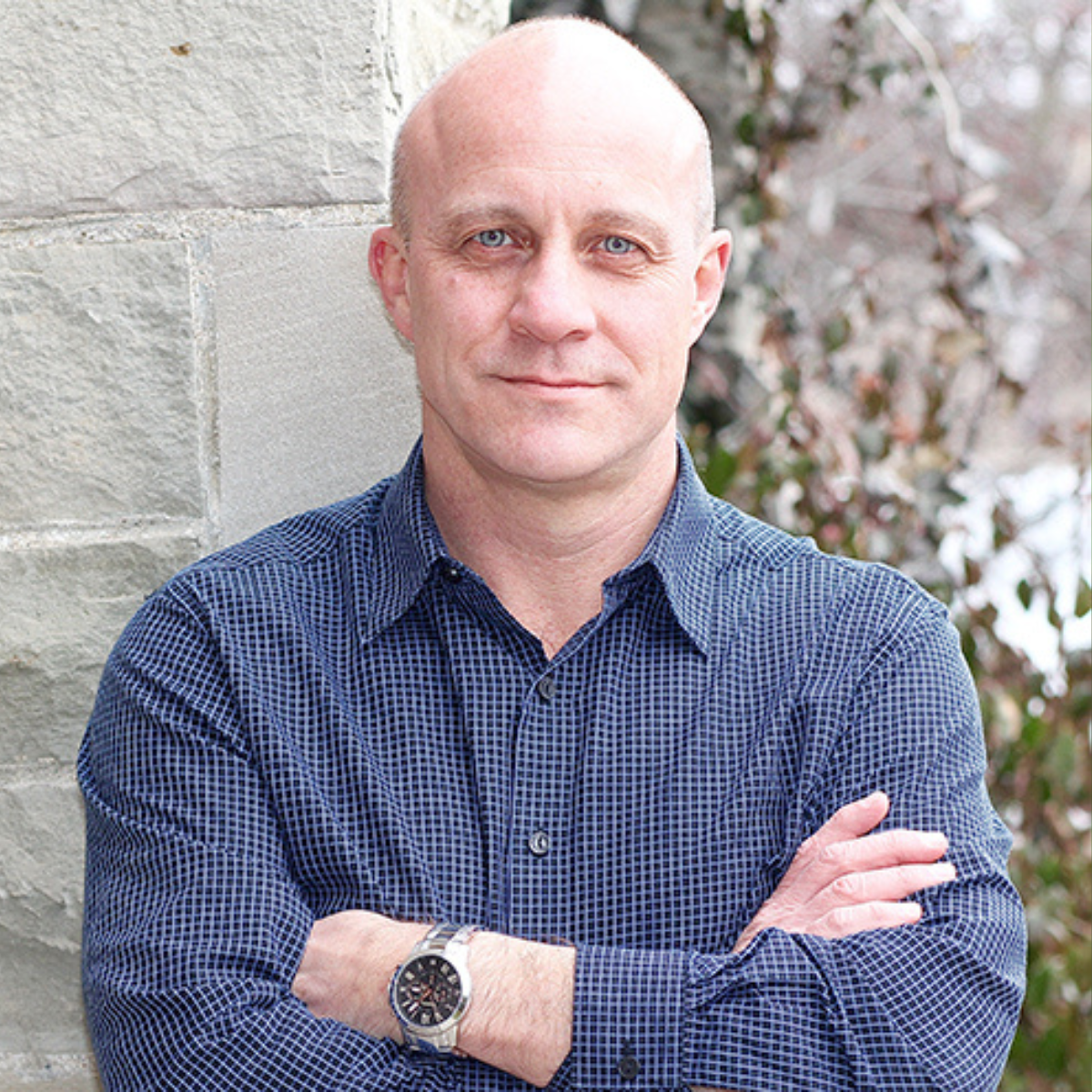
Kevin Shoemaker - Vascular Control, Autonomic Regulation, Neuroprotection
Understanding how neural discharge patterns influence vascular control in both health and disease, as well as the role of forebrain modulation in autonomic and cardiovascular regulation. Additionally, he investigates the neuroprotective effects of exercise on the brain and autonomic nervous system.
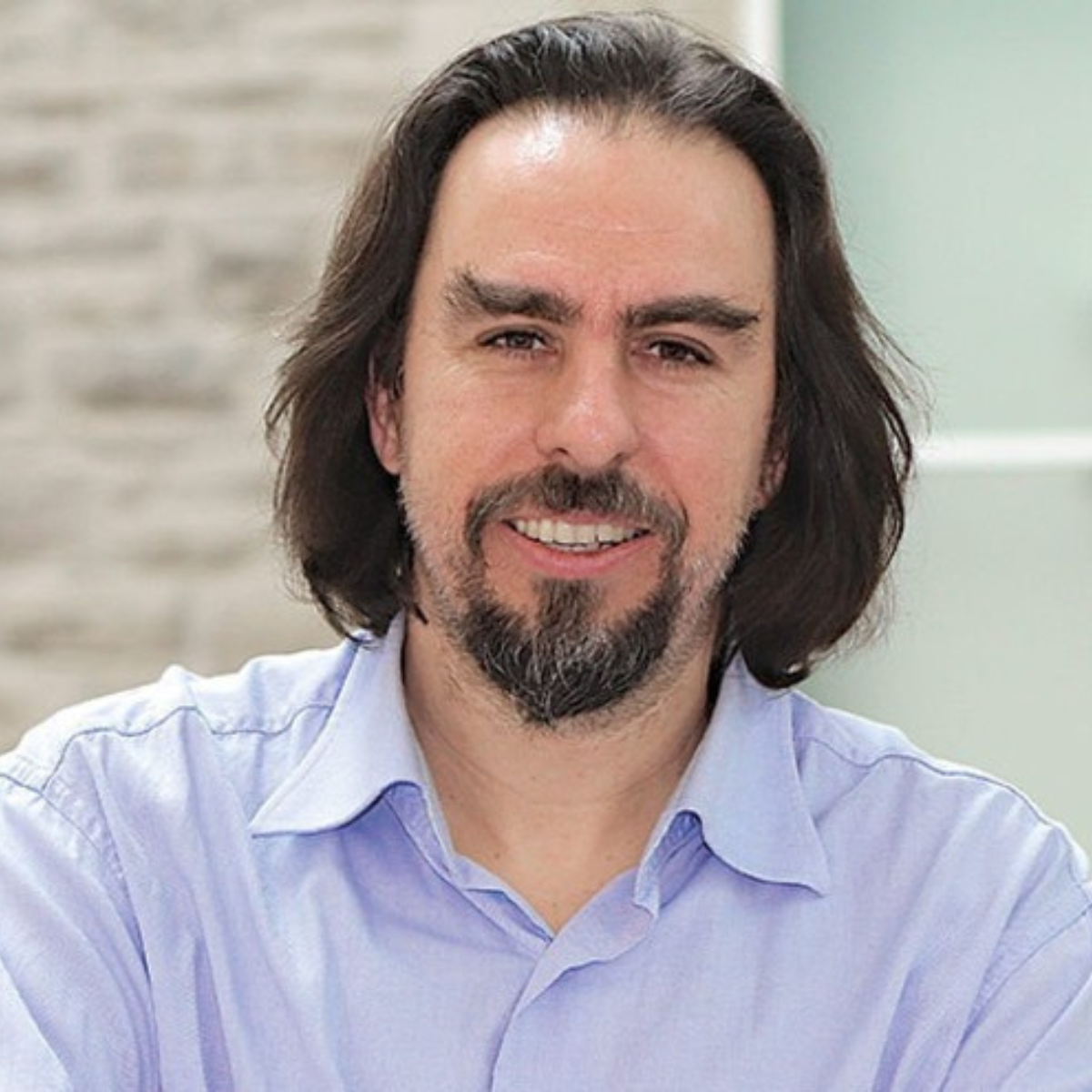
Andrea Soddu - Neuroimaging, Consciousness, Disorders
Understanding spontaneous brain activity using fMRI, global metabolism, and structural connectivity through diffusion tensor imaging in patients with disorders of consciousness, hypnosis, anesthesia, tinnitus, and dementia with the goal to explore how these brain systems interact in various neurological conditions.
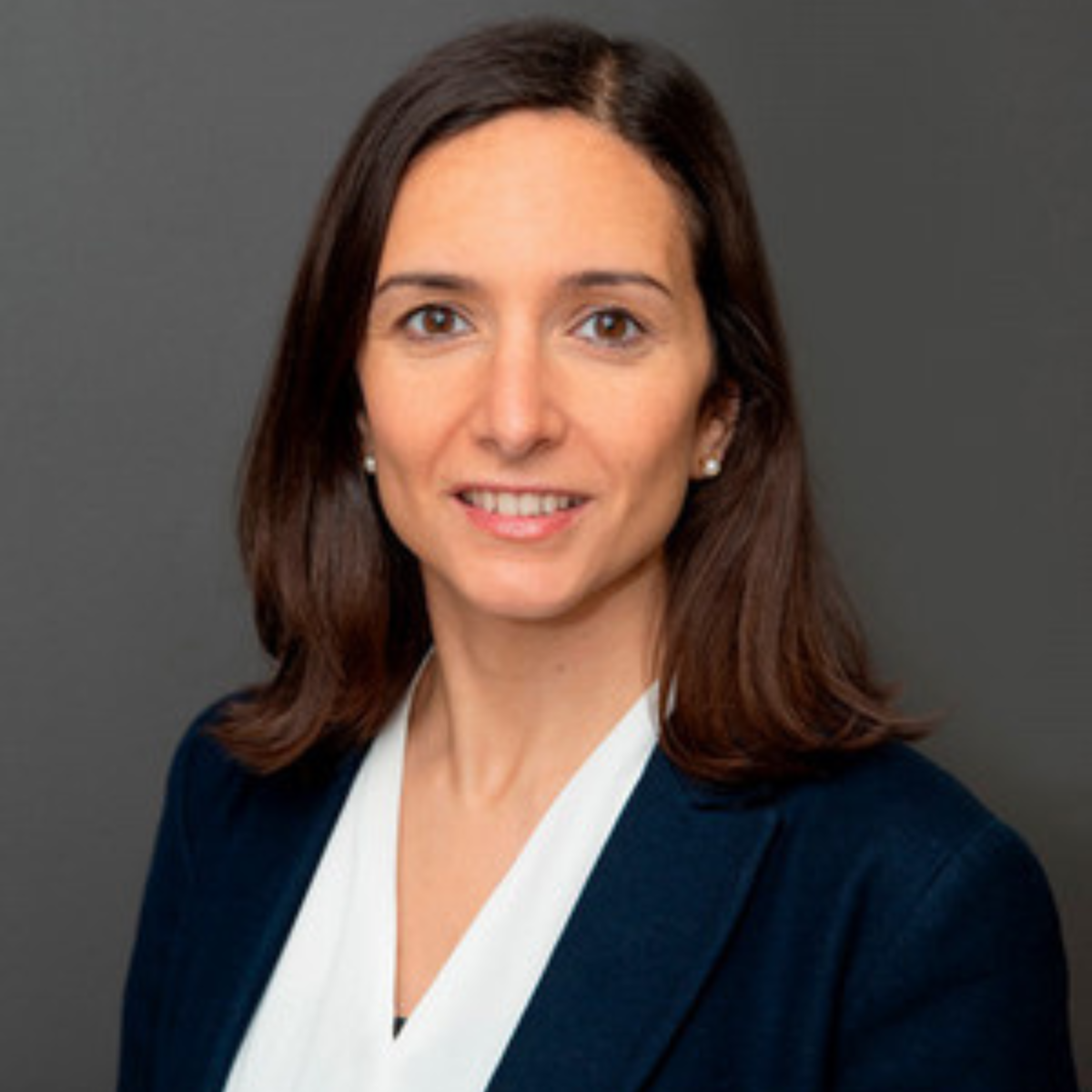
Ana Suller-Marti - Epilepsy, Headache, Education
Studying headache management, neuromodulation, and epilepsy education, with contributions to clinical trials, international conferences, and the development of training resources for epilepsy fellow.