
Search Website
Computational Neuroscience
Computational neuroscience is an interdisciplinary field that uses mathematical models, computer simulations, and algorithms to understand how the brain processes information.
Explore the research being done by WIN members in the area of computational neuroscience below.
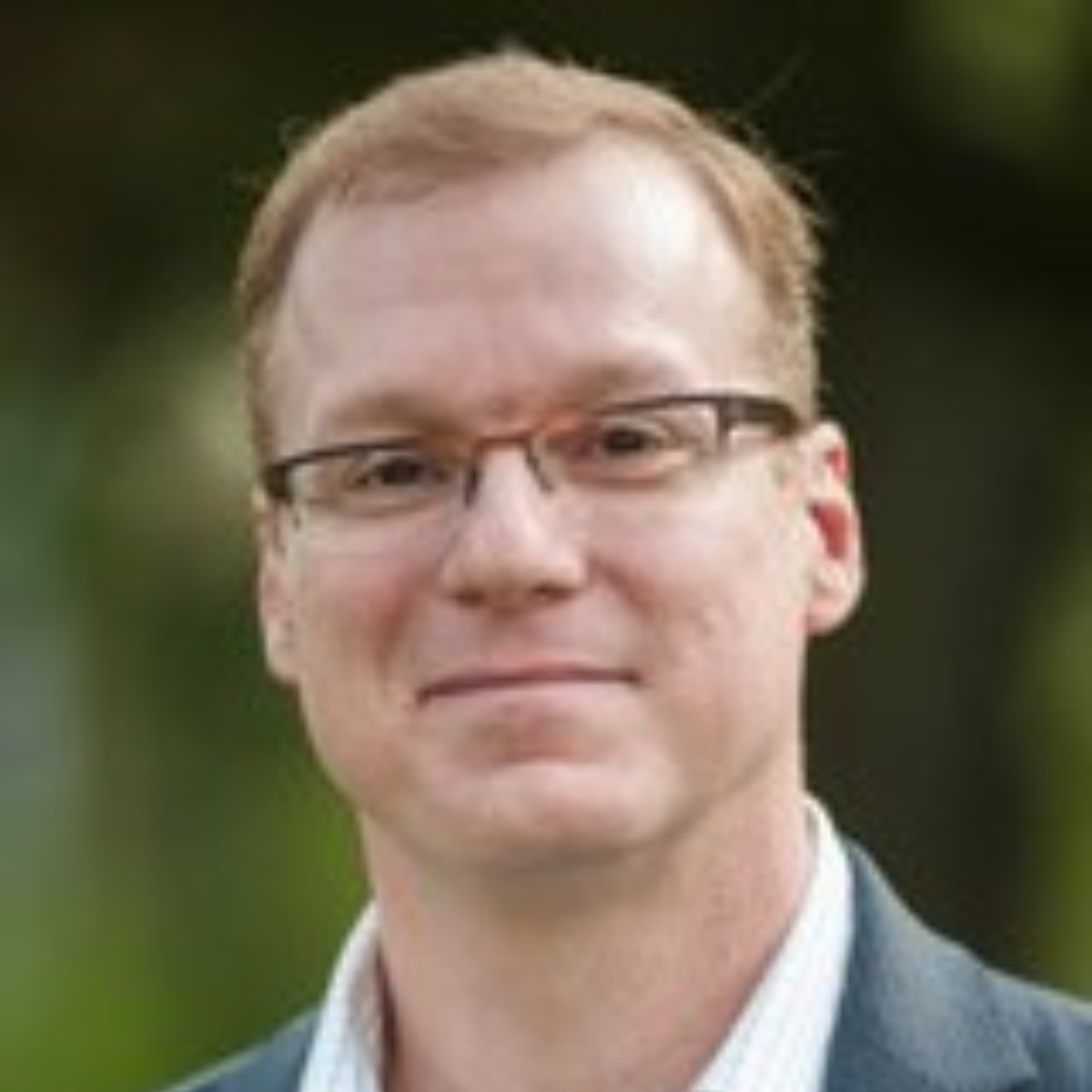
Michael Anderson - Philosophy of Neuroscience
The intersection of psychology, neuroscience, computer science, and the philosophy of cognitive science.
Corey Baron - Multidimensional Imaging Biomarkers
Developing multidimensional imaging biomarkers for ultra-high field MRI, and using them to learn more about the brain.

Elvis Chen - Computer-Assisted Interventions and Medical Image Computing
Computer-Assisted Interventions (CAI) and Medical Image Computing (MIC), with a particular interest in developing modeling techniques to improve surgical outcomes, such as refining knee replacement procedures.
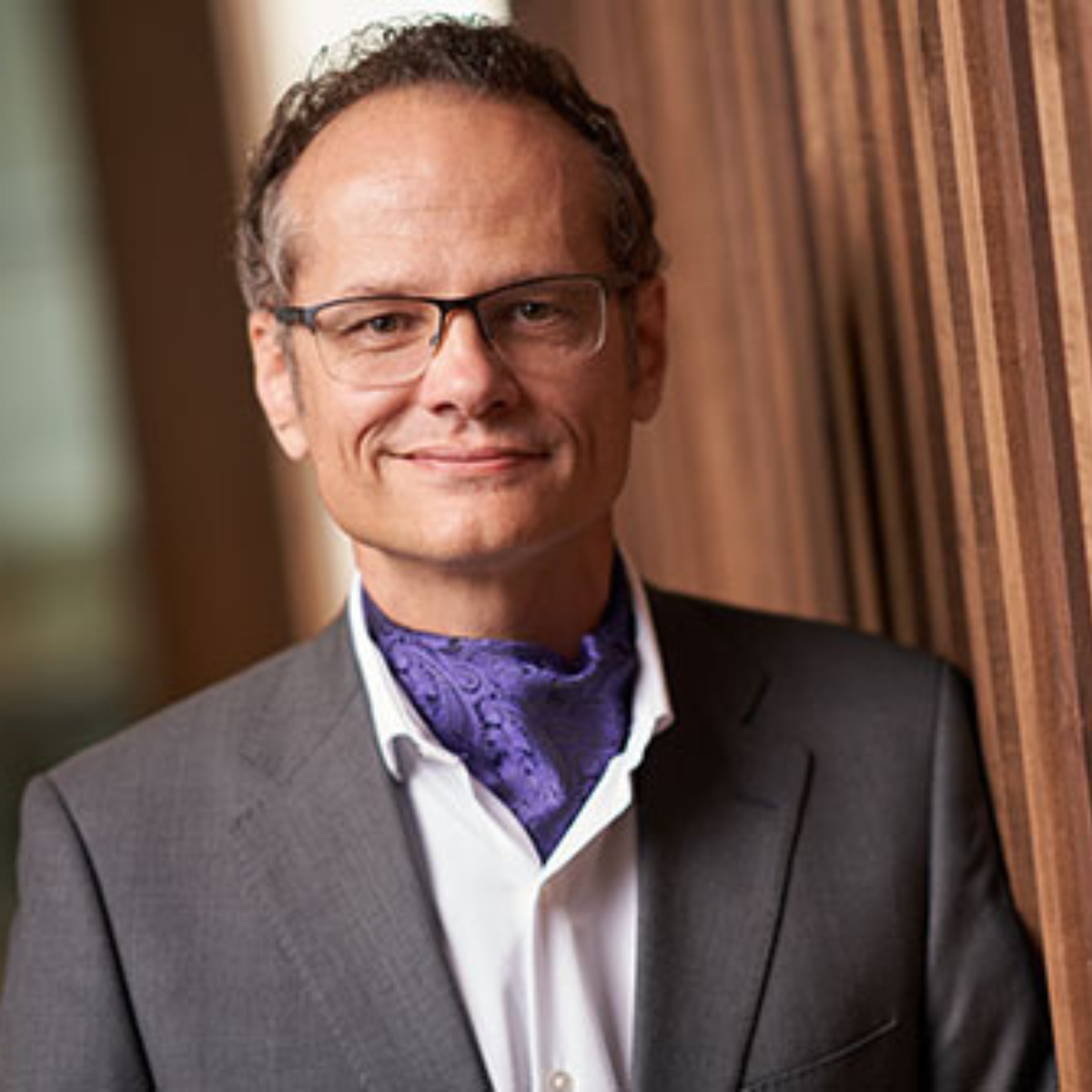
Mark Daley - Neural Networks, AI Safety, Machine Learning, Computation
Natural Computing, Computational and Mathematical Modelling of Biological Systems, Theoretical Computer Science, High Performance Computing for Biology And Mathematics, Molecular Evolution, Algorithmics of Music and the Visual Arts.
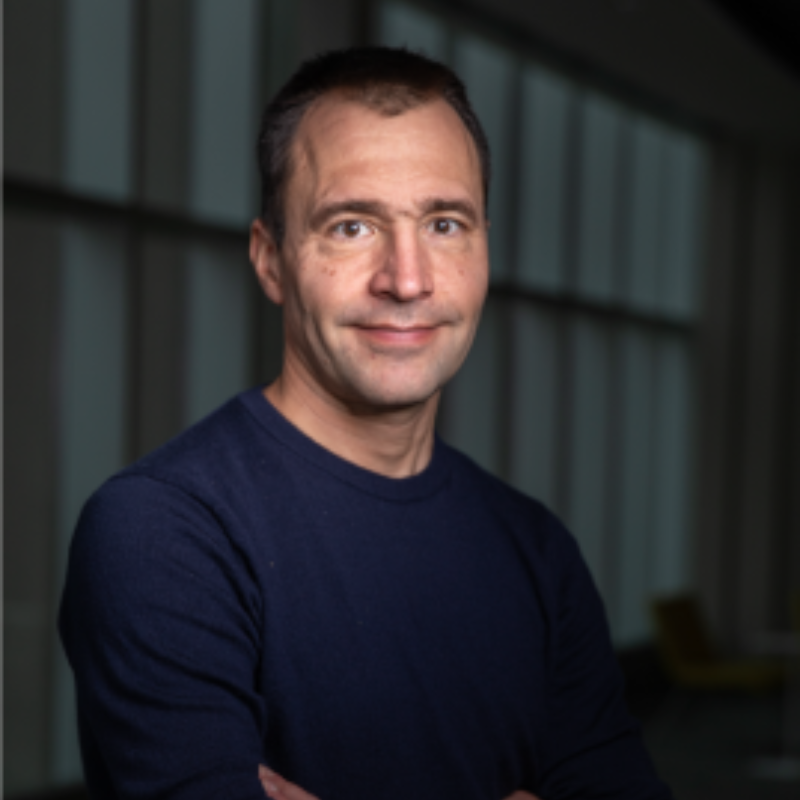
Joern Diedrichsen - Data Science Methods For Neuroscience Data Analysis
The study of biomedical imaging analysis, brain function, motor control, and machine learning.
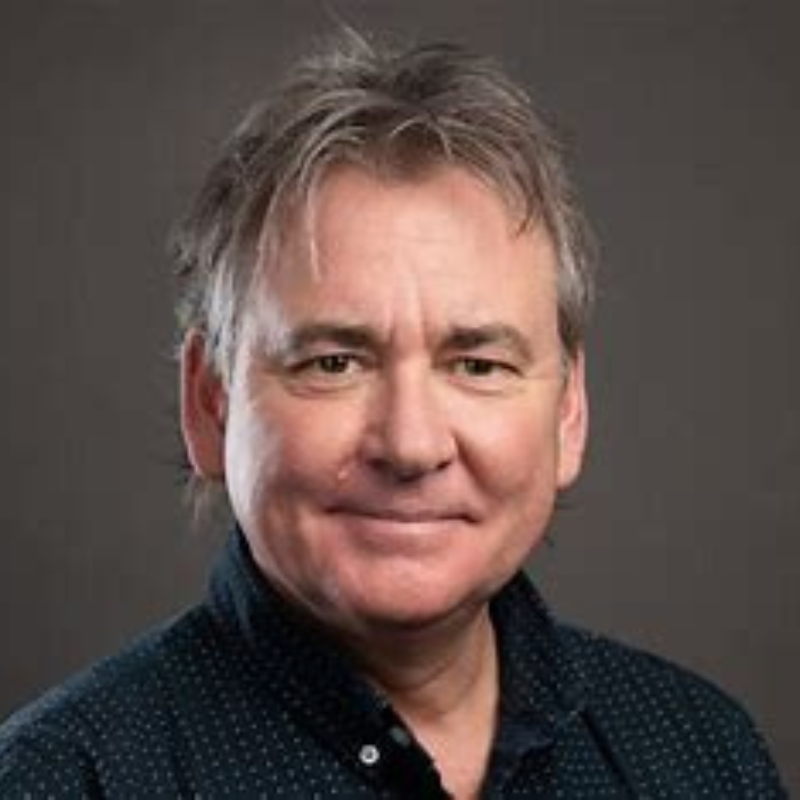
Roy Eagleson - 3D Biomedical Visualization and Surgical Simulation
Human-computer interface design for surgical skills training, haptic interfaces and interactive immersive graphical interfaces.
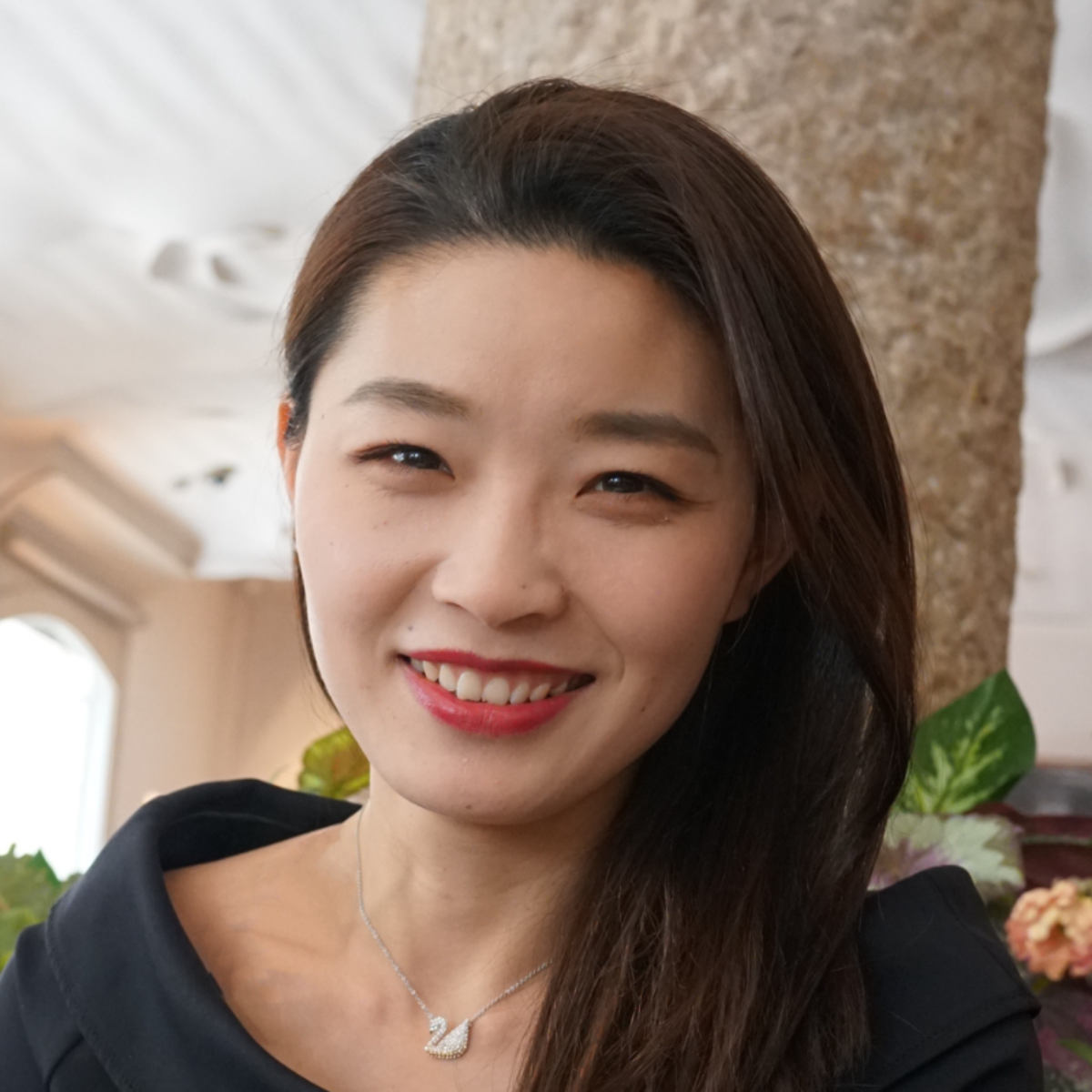
Fang Fang - Machine Learning for Wireless Communication
Machine Learning for Intelligent Wireless Communications, Internet of Things/Everything (IoT/IoE), Multi-Access Edge Computing (MEC) Networks, Reconfigurable Intelligent Surface (RIS) aided Wireless Communications, Edge AI for 6G, and Blockchain.
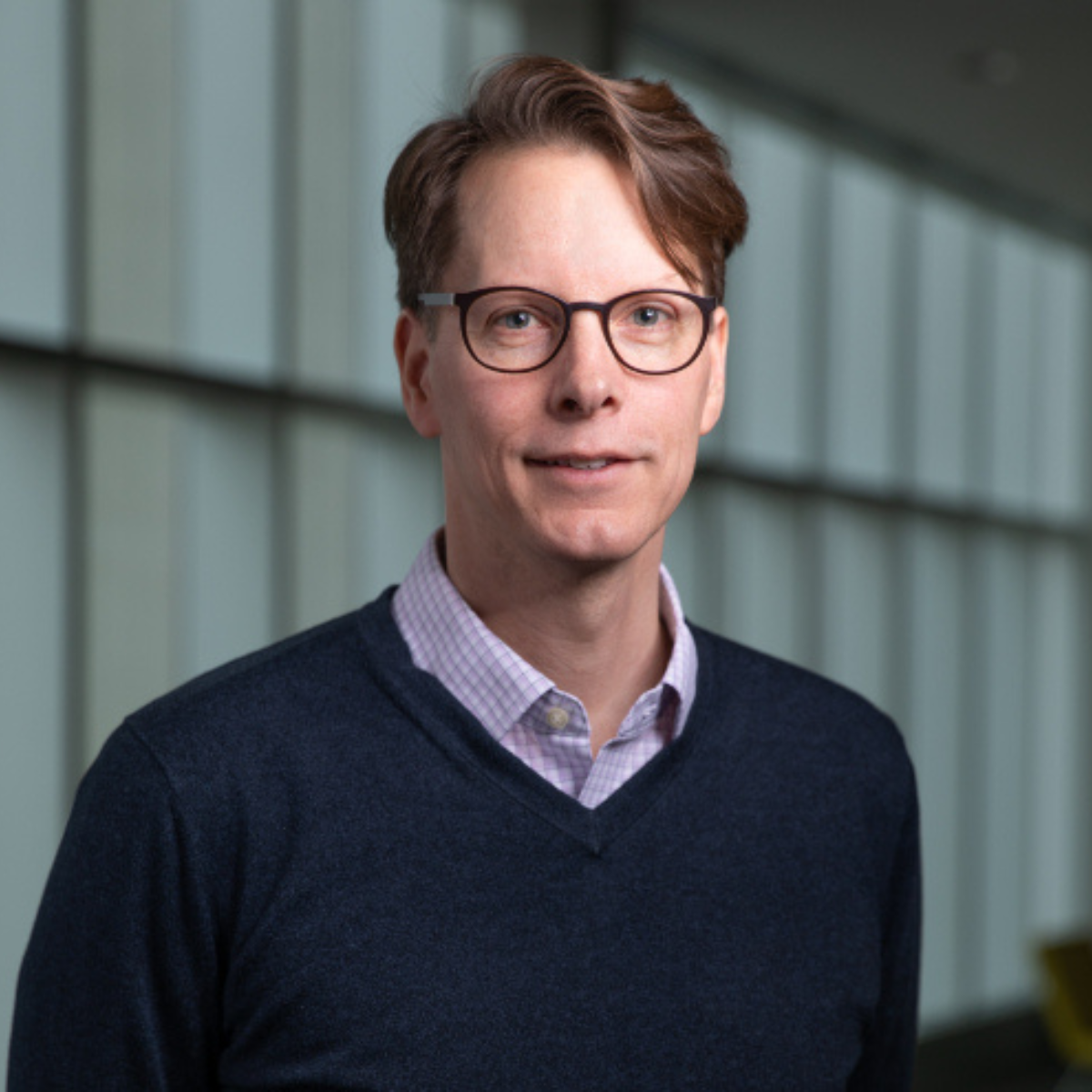
Paul Gribble - Sensory and Motor Systems, Brain Control of Movement
Understanding how the brain controls voluntary movement, with particular interest in motor learning, neural control of limb stiffness, and the sensory basis of motor learning. Computational models of neural control and the effects of visual observation on motor learning.
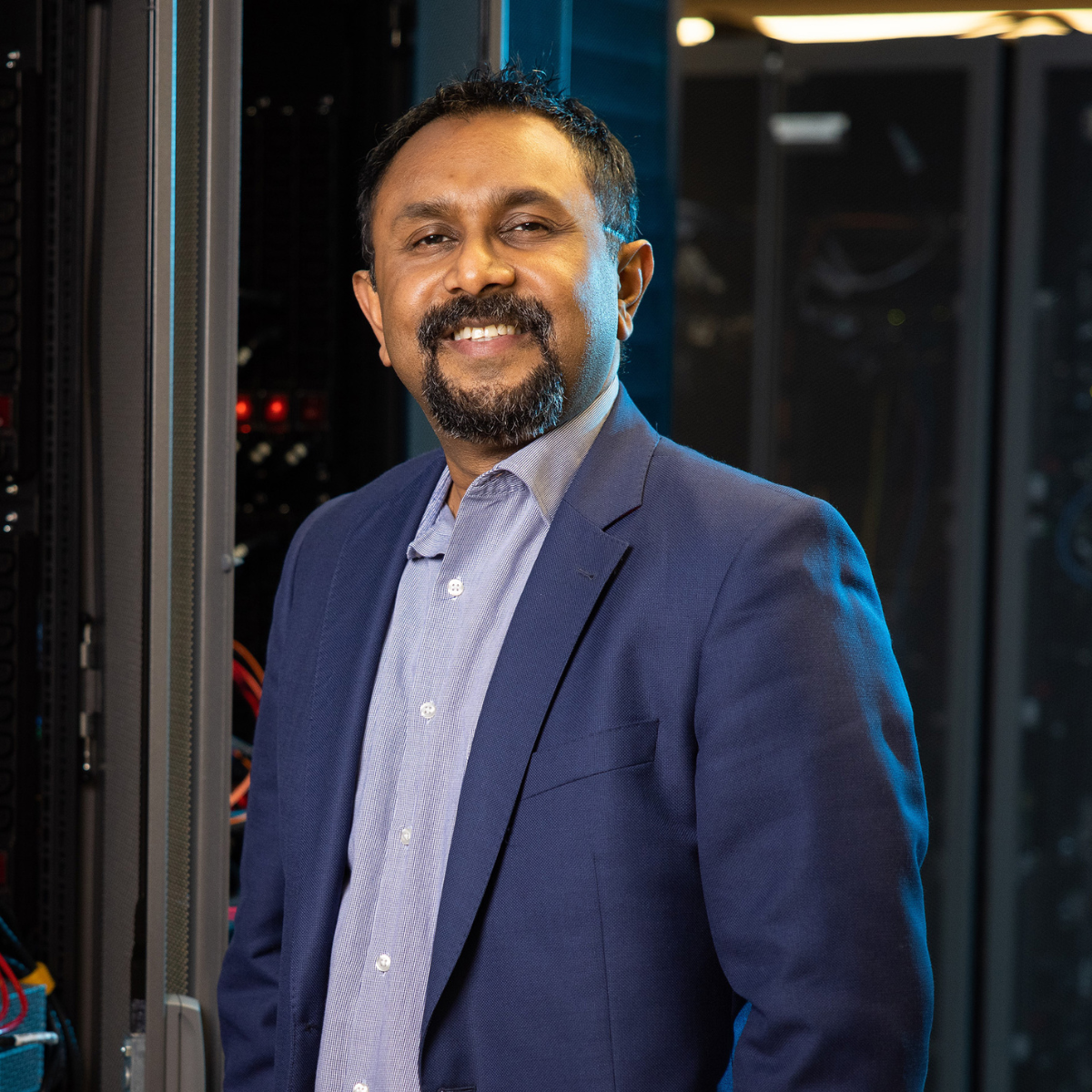
Anwar Haque - 5G, Internet of Things, Cyber-Security, Autonomous Systems
Wireless/wireline networks resources and performance management/optimization, network costing, cyber security, smart/intelligent systems and their applications.
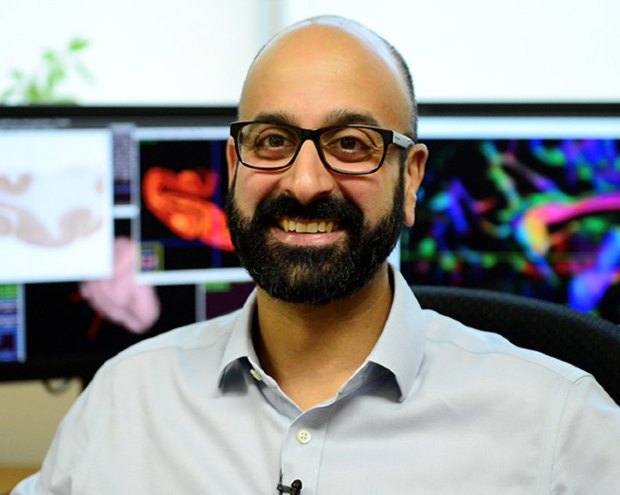
Ali Khan - Intelligent Image Processing and Analysis Technologies
The development of intelligent image processing and analysis technologies, and their application in the diagnosis and treatment of neurological disorders.
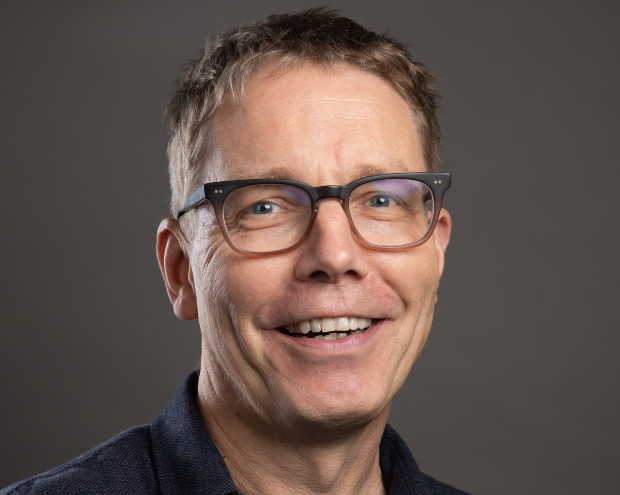
Stefan Kohler - Cognitive and Neural Mechanisms of Memory
The neural mechanisms underlying cognitive processes, particularly in areas such as memory and perception. His work integrates psychology and neuroscience to explore how the brain supports complex behaviors, with a specific emphasis on cognitive function and dysfunction.
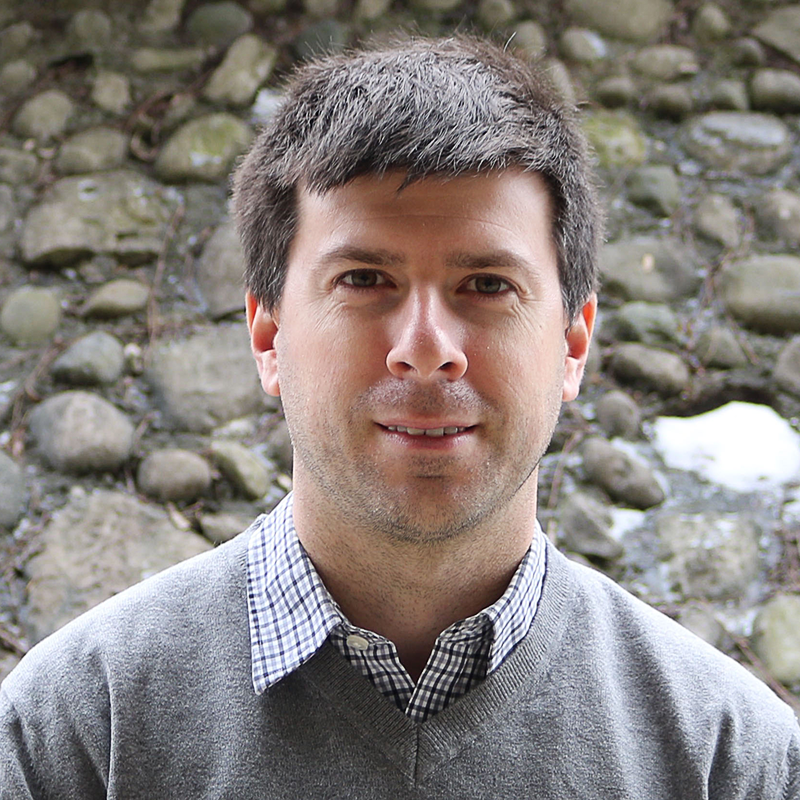
Jed Long - GIS/GIScience, GPS Tracking, Movement, Space-Time Models, Spatial Ecology, Open Source Software
Using geographic informatino systems (GIS) and other spatial analysis techniques in the study of movement (e.g., using GPS tracking).
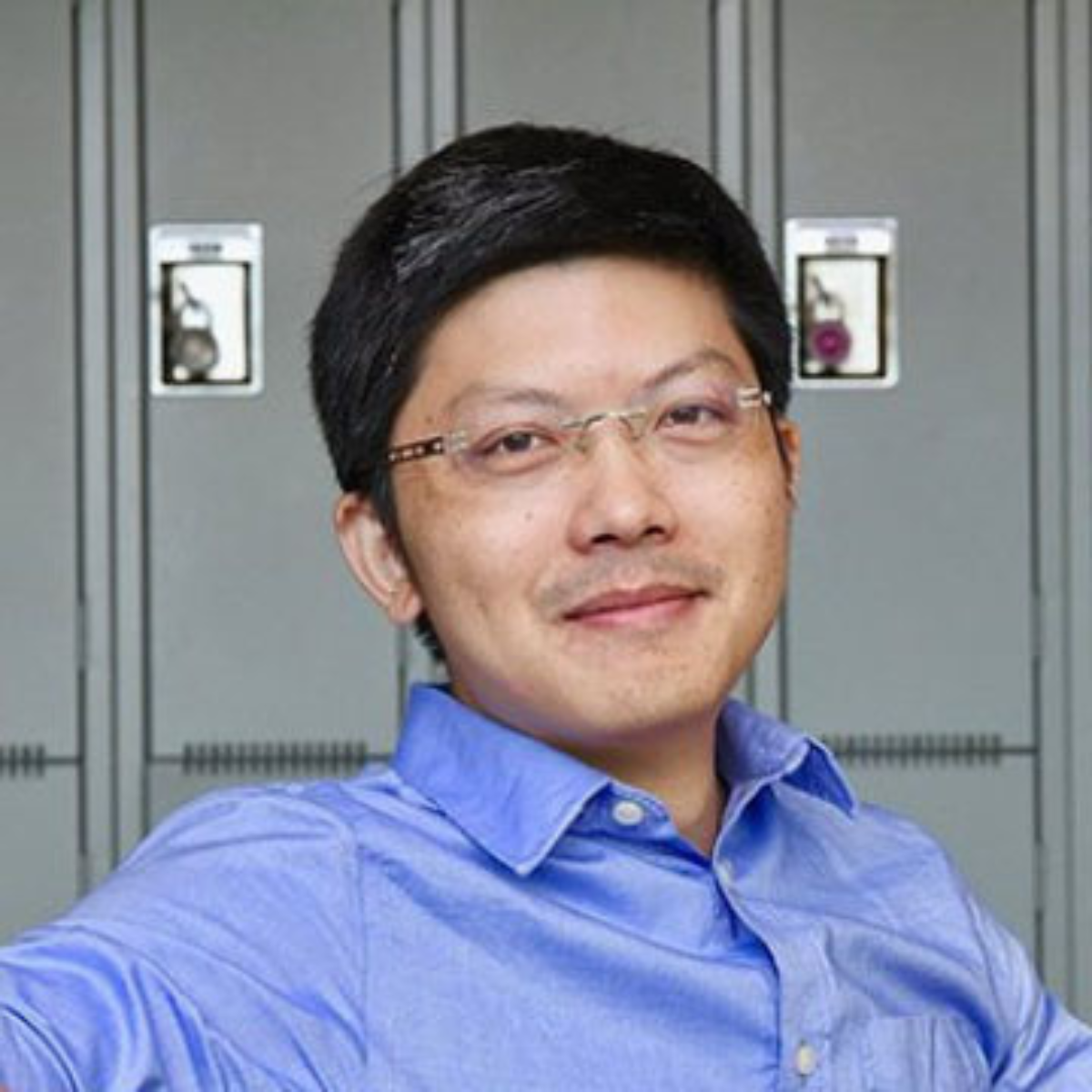
Haojie Mao - Traumatic Brain Injury, Biomechanics, Safety
The study of traumatic brain injury using computatinoal models to analyze brain responses to trauma. Improving protections, diagnostics, and safety innovations in vehicle design and paediatric biomechanics.
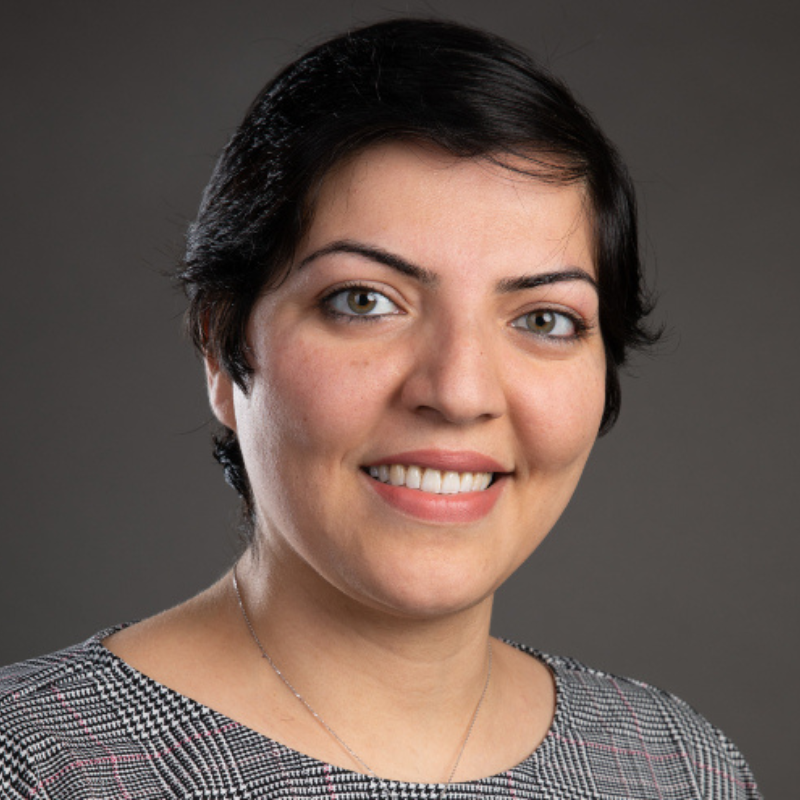
Yalda Mohsenzadeh - AI, Machine Learningq
Studying articifical intelligence, machine learning, deep learning, computer vision, cognitive computational neuroscience, and brain data analysis methods.
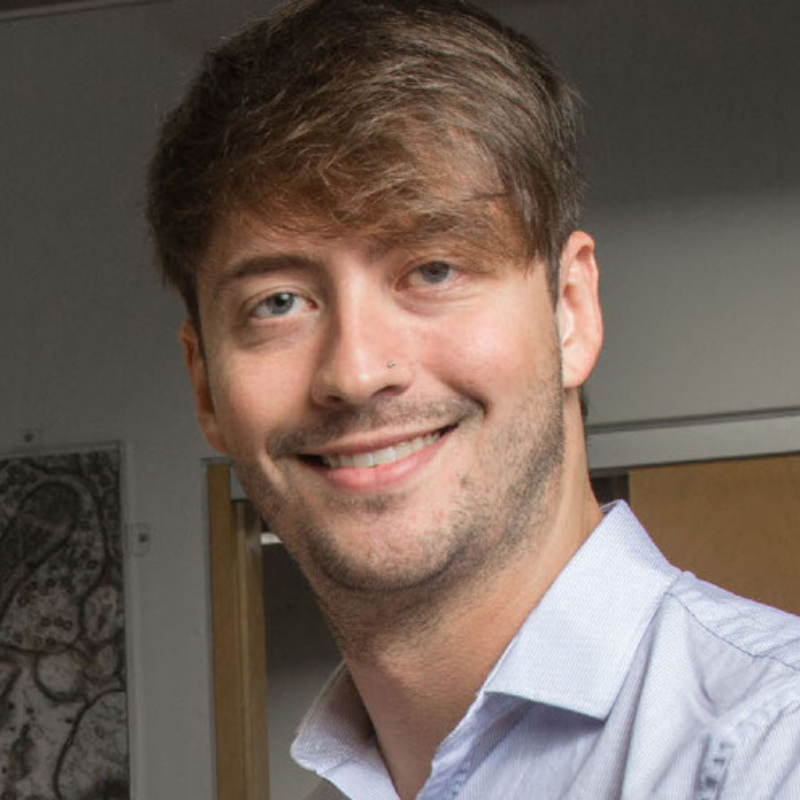
Lyle Muller - Neural Dynamics, Computational Modeling
Studying specteral methods, signal/image processing, computaitnoal neuroscience, and random graph theory.
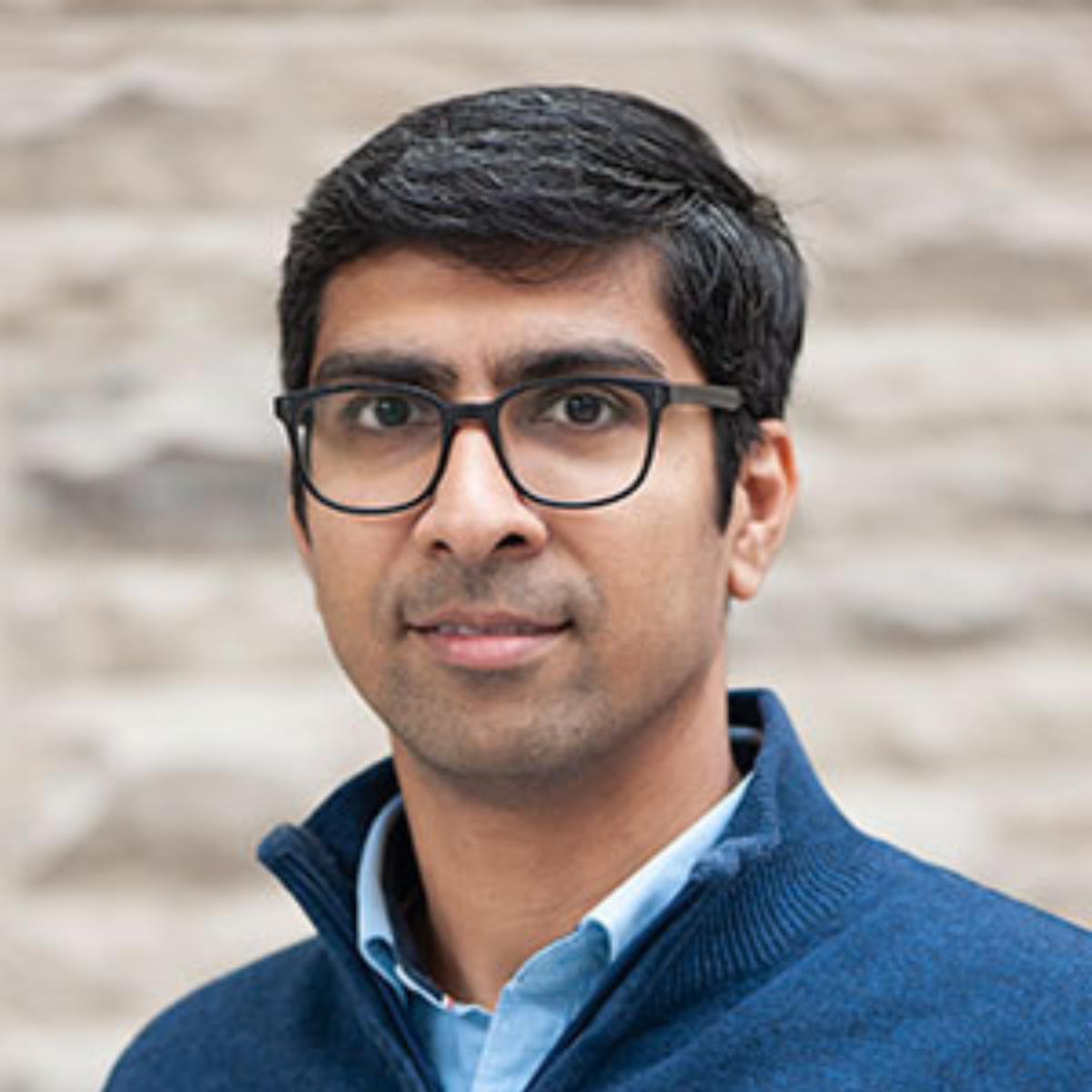
Apurva Narayan - Data Science, AI Safety, Explainable AI
The study of data analytics, applied AI, machine learning, software engineering, safety and security of cyber-physical systems, dependable AI systems, AI in health care, decision making under uncertainty, and quantum machine learning.
Rajni Patel - Robotics, Mechatronics, Surgery
The study of robotics, mechatronics, and their applications in surgery, rehabilitation, and neurological disorders.
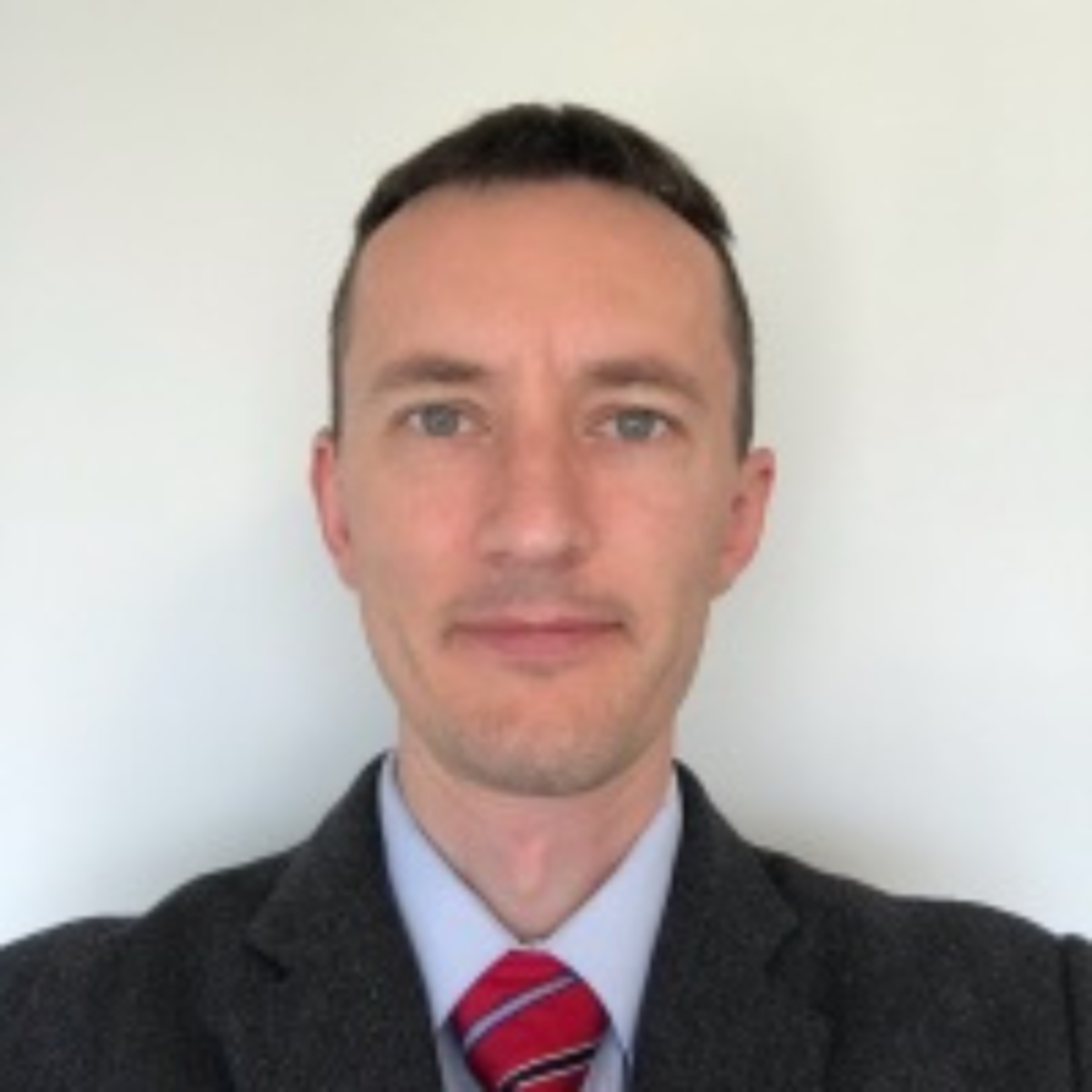
Ruslan Suvorov - Language Testing, CALL, Technology
The study of the intersection of applied linguistics and instructinoal technology, focusing on language testing, second language listening, computer-assisted language learning, blended and online learning, and eye tracking.
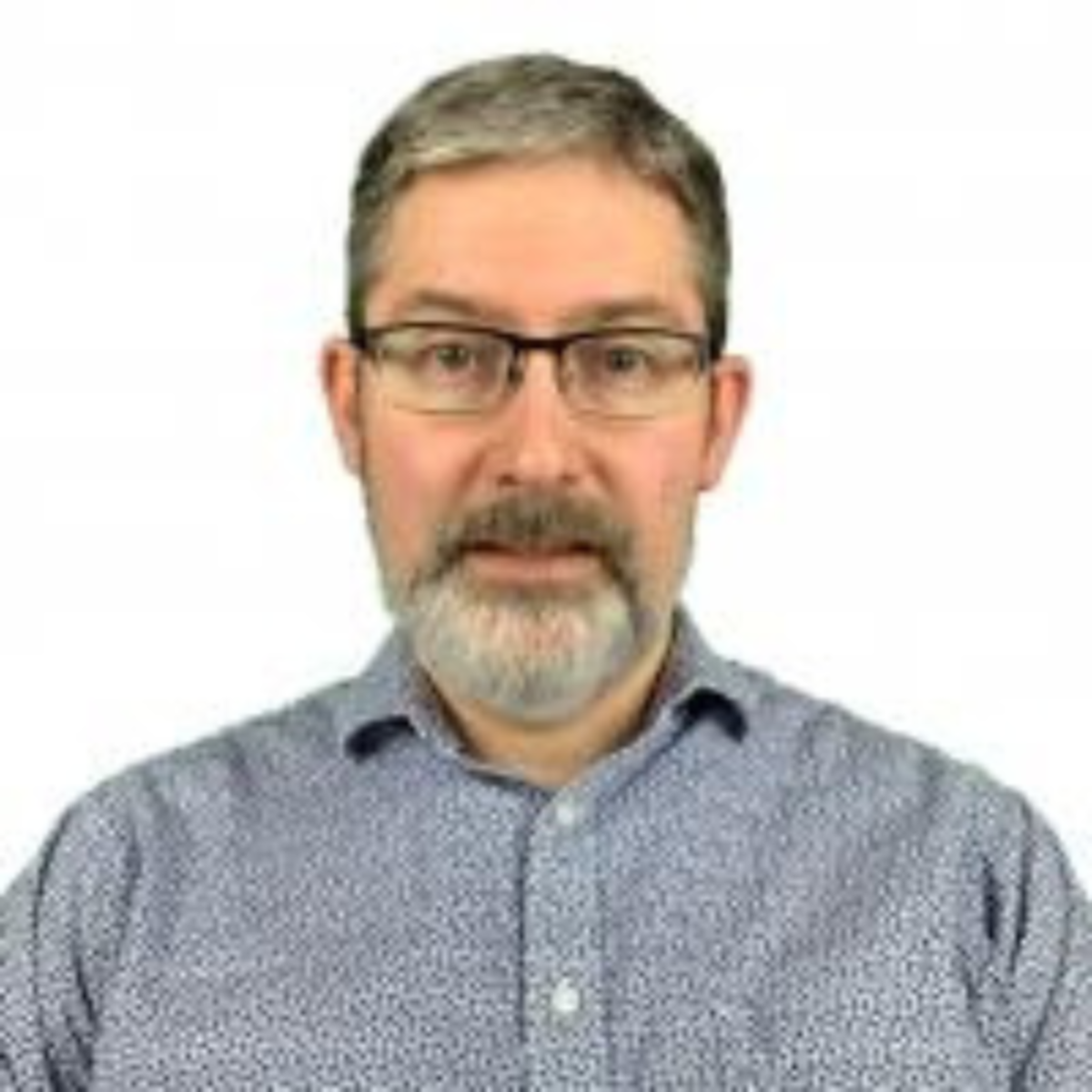
Jean Theberge - Brain Imaging, Psychiatry, Schizophrenia
Developing advanced brain imaging techniques, particularly in magnetic resonance spectroscopy and high-field fMRI, to study schizophrenia, major depressive disorder, and PTSD, while also evaluating MRI safety for implanted devices.
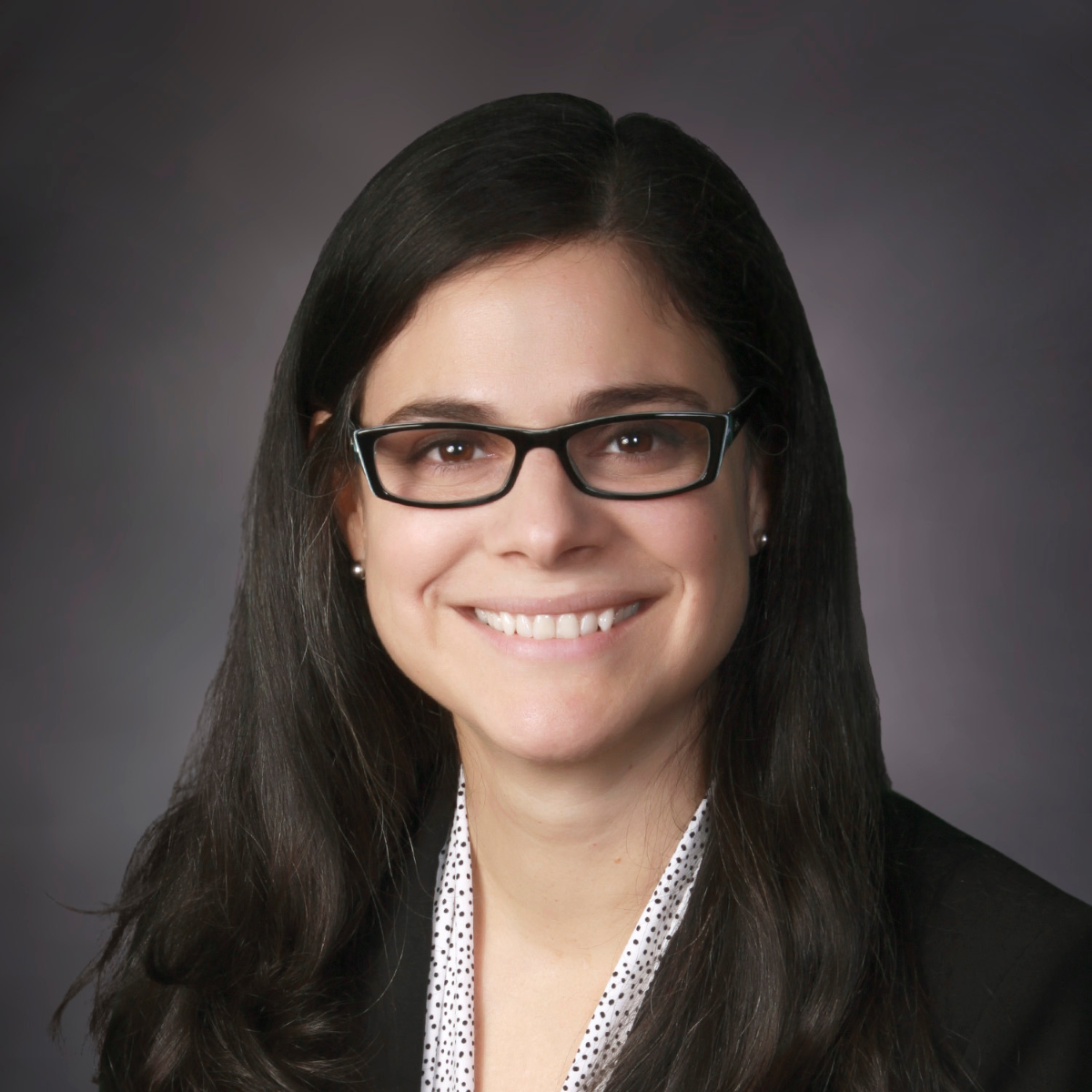
Ana Luisa Trejos - Wearable Medical Mechatronics
The design, integration, and evaluation of wearable devices for medical applications, particularly upper body rehabilitation and motion assistance. The development of novel sensing and actuation components, modeling biosignals, and creating intelligent control systems for adaptive, unobtrusive devices.