
Search Website
Motor Systems
Research on movement and motor control explores mechanisms of eye movements, cerebellar function, basal ganglia, and voluntary actions, including reaching, grasping, and posture. It also examines brain-machine interfaces, motor learning, and rehabilitation, as well as the neurophysiology of motor neurons, muscle activity, and respiratory regulation.
Read about the scholarly work being done by WIN members in motor systems below
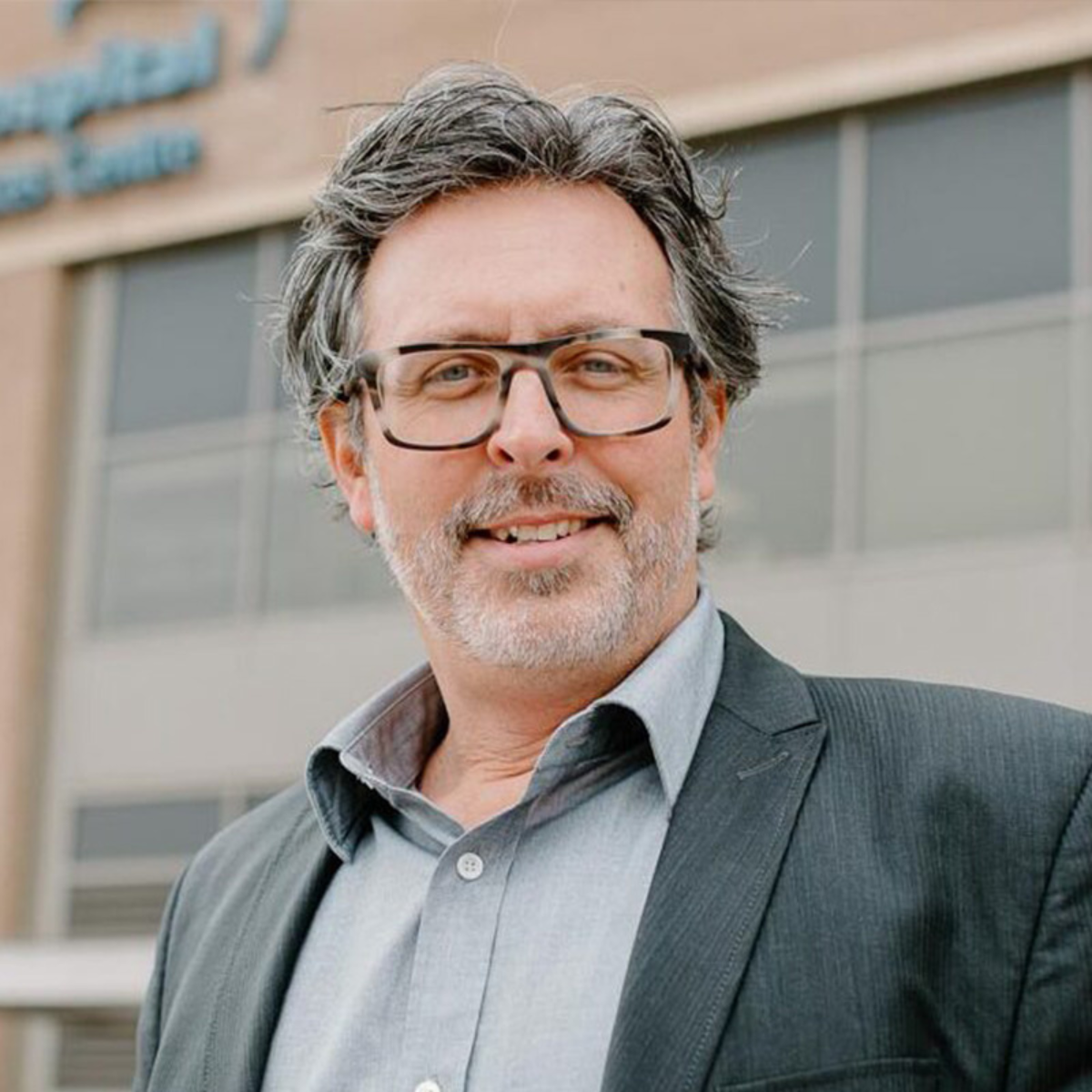
Craig Campbell - Paediatric Neuromuscular, Cerebral Palsy
Studying paediatric neuromuscular diseases, cerebral palsy, and epidemiology, with a focus on health outcomes and neurophysiology. Myotonic dystrophy, electromyography (EMG), and neuromuscular disease registries.
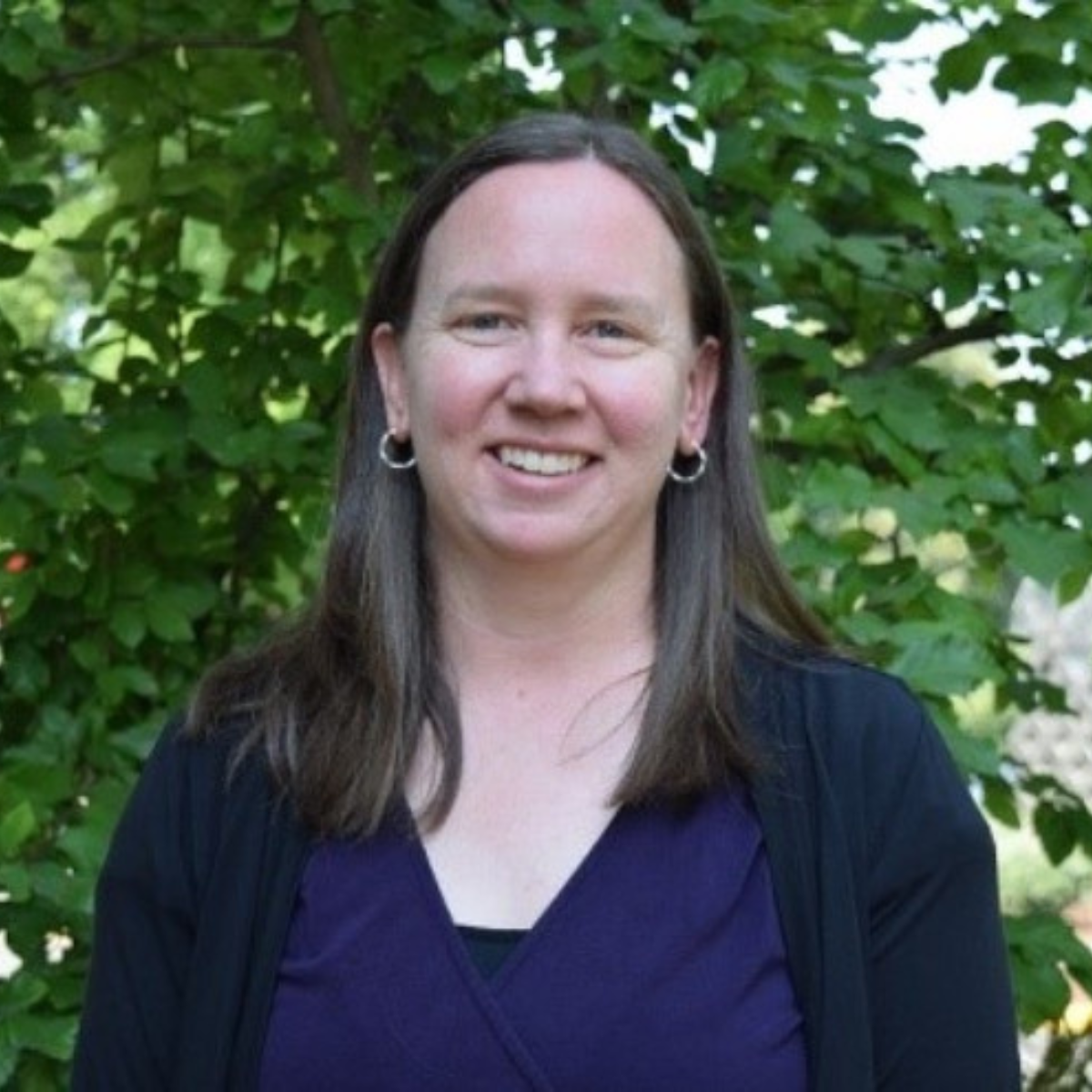
Anita Christie - Nervous System, Force, Neuromuscular Disease
Understanding how the nervous system controls force production and investigate how factors like advanced age, mild traumatic brain injury, and fatigue affect neuromuscular function both acutely and chronically.

Beyza Ciftci - Multiple Sclerosis, Neuroinflammatory Disorders
Understanding multiple Sclerosis, Neuroinflammatory Disorders, Machine Learning and Visual Outcomes in MS.
Alex Fraser - Neuro-Opthalmology, Eye Movement, Visual Disorders
The study of neuro-ophthalmology, particularly eye movement disorders, optic nerve disorders, and visual perception issues.
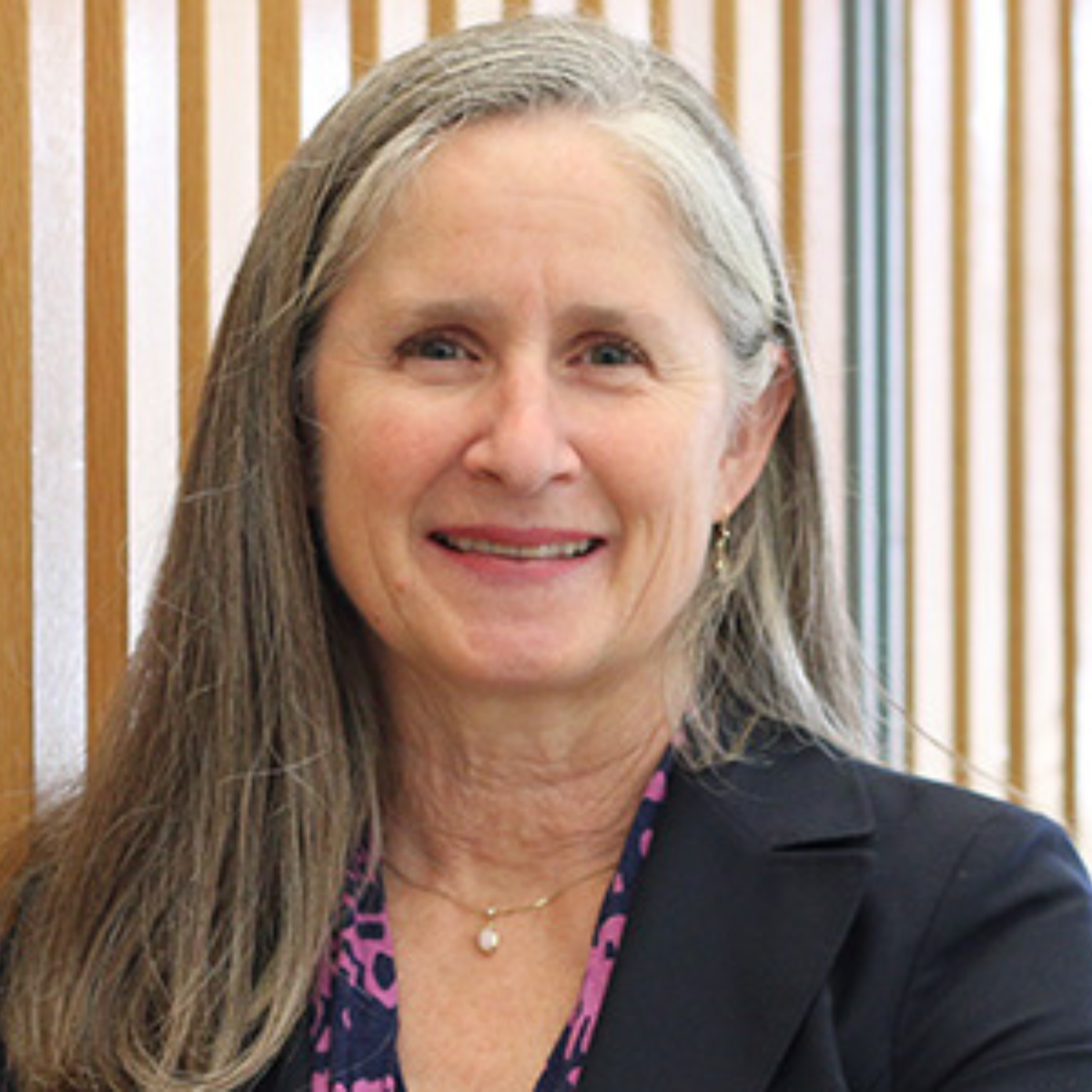
Jayne Garland - Motor Control, Cortical Plasticity, Neuroradiology
The understanding of motor control, cortical plasticity, and resting-state functional connectivity, with a particular emphasis on pediatric stroke, epilepsy, and neuro-oncology.
Angelica Moresco - Genetics, Paediatric Syndromes, Neuromuscular Disorders
The study of genetics, particularly in pediatric syndromes like segmental overgrowth, skeletal dysplasias, and neuromuscular disorders. Combining clinical expertise in medical genetics with a strong interest in understanding and treating these conditions.

Lindsay Nagamatsu - Fall Risk, Exercise, Brain Health
Identifying neural correlates of falls risk and mobility issues in older adults, examining the effects of exercise on cognitive function and brain health, and developing strategies to improve functional independence and quality of life for aging populations.
Michael Nicolle - Myastenia Gravis, Clinical Trials, Immunosuppresive Therapies
The study of myasthenia gravis (MG), including clinical trials of therapies, the study of atypical and ocular manifestations, and the experiences of pregnant women with MG. The exploration of novel immunosuppressive treatments, mutations in congenital myasthenic syndromes, anti-MuSK antibodies in seronegative MG, and conducts research in EMG studies, including single fibre EMG and entrapment neuropathies.
Rajni Patel - Robotics, Mechatronics, Surgery
Studying robotics and mechatronics, particularly their applications in surgery, rehabilitation, and neurological movement disorders. Also investigating advancements in haptics, teleoperation, and intelligent systems, with a focus on improving medical technologies and surgical precision.
Sue Peters - Mobility, Neurorehabilitation, Neuroimaging
Use of advanced neuroimaging techniques to study brain function in mobility control and recovery, focusing on how to optimize mobility outcomes and neurorehabilitation after injuries like stroke.
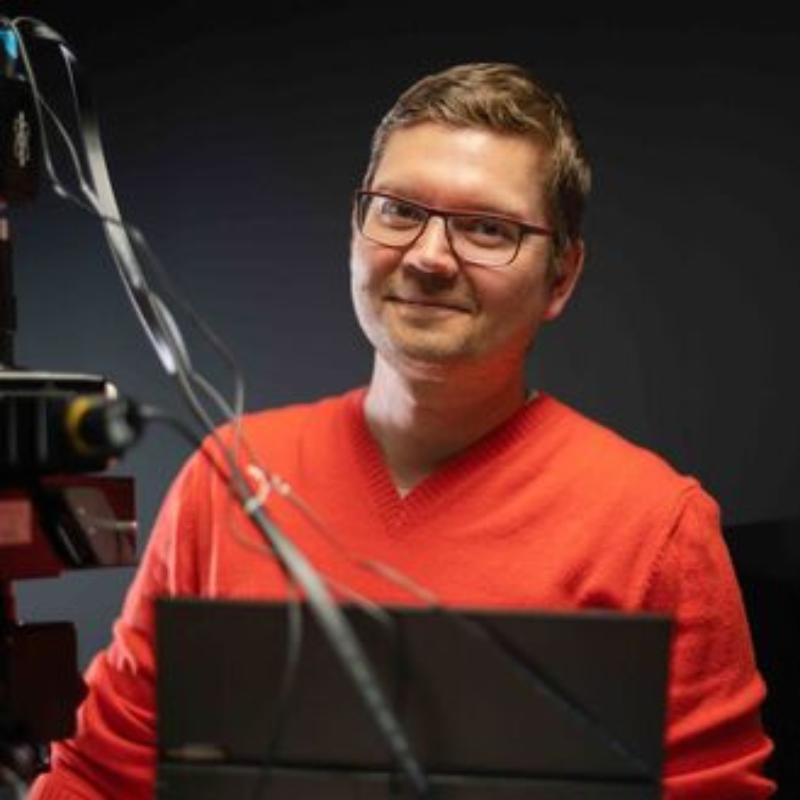
Andrew Pruszynski - Sensorimotor Function, Neurophysiology, Rehabilitation
Understanding how the nervous system coordinates the complex interactions between the body’s mechanical properties and neural circuits during arm movement and object manipulation. This work combines neurophysiology, modeling, behavioral studies, and patient research to improve treatment for conditions like nerve and spinal cord injuries, as well as diseases such as ALS.
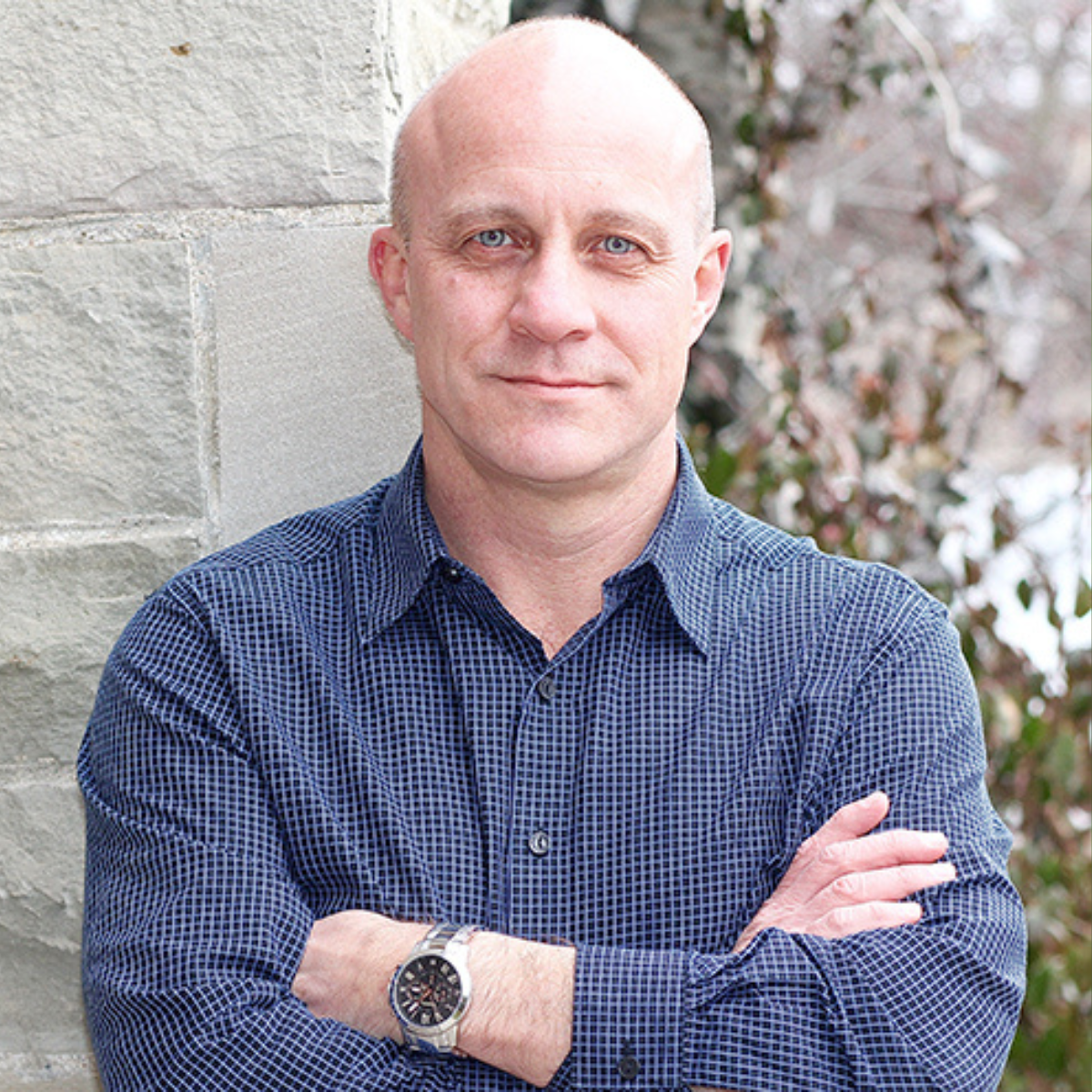
Kevin Shoemaker - Vascular Control, Autonomic Regulation, Neuroprotection
Understanding how neural discharge patterns influence vascular control in both health and disease, as well as the role of forebrain modulation in autonomic and cardiovascular regulation. Additionally, he investigates the neuroprotective effects of exercise on the brain and autonomic nervous system.
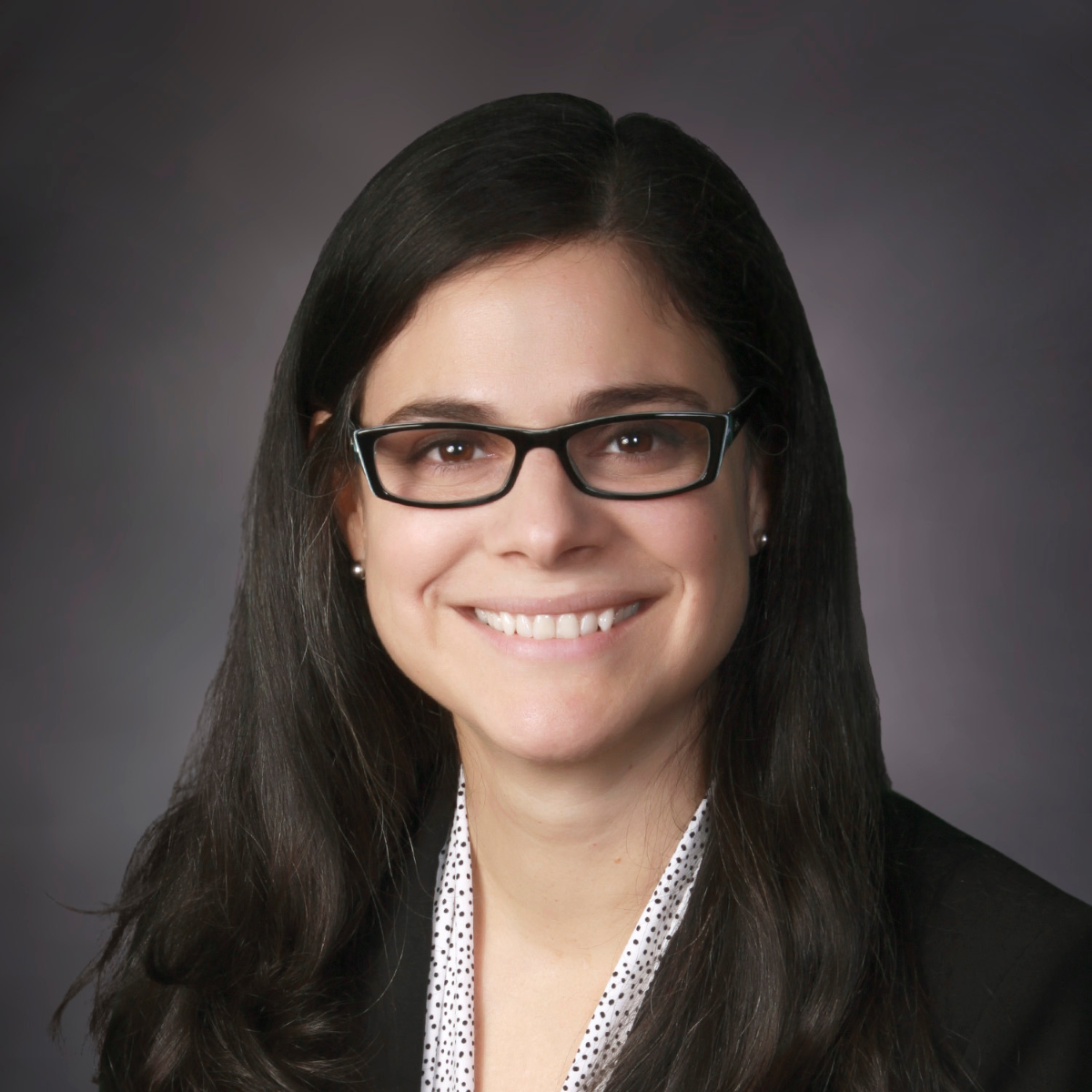
Ana Luisa Trejos - Wearable Medical Mechatronics
The design, integration, and evaluation of wearable mechatronic devices for medical applications, particularly upper body rehabilitation and motion assistance. The development of novel sensing and actuation components, modeling biosignals, and creating intelligent control systems for adaptive, unobtrusive devices.
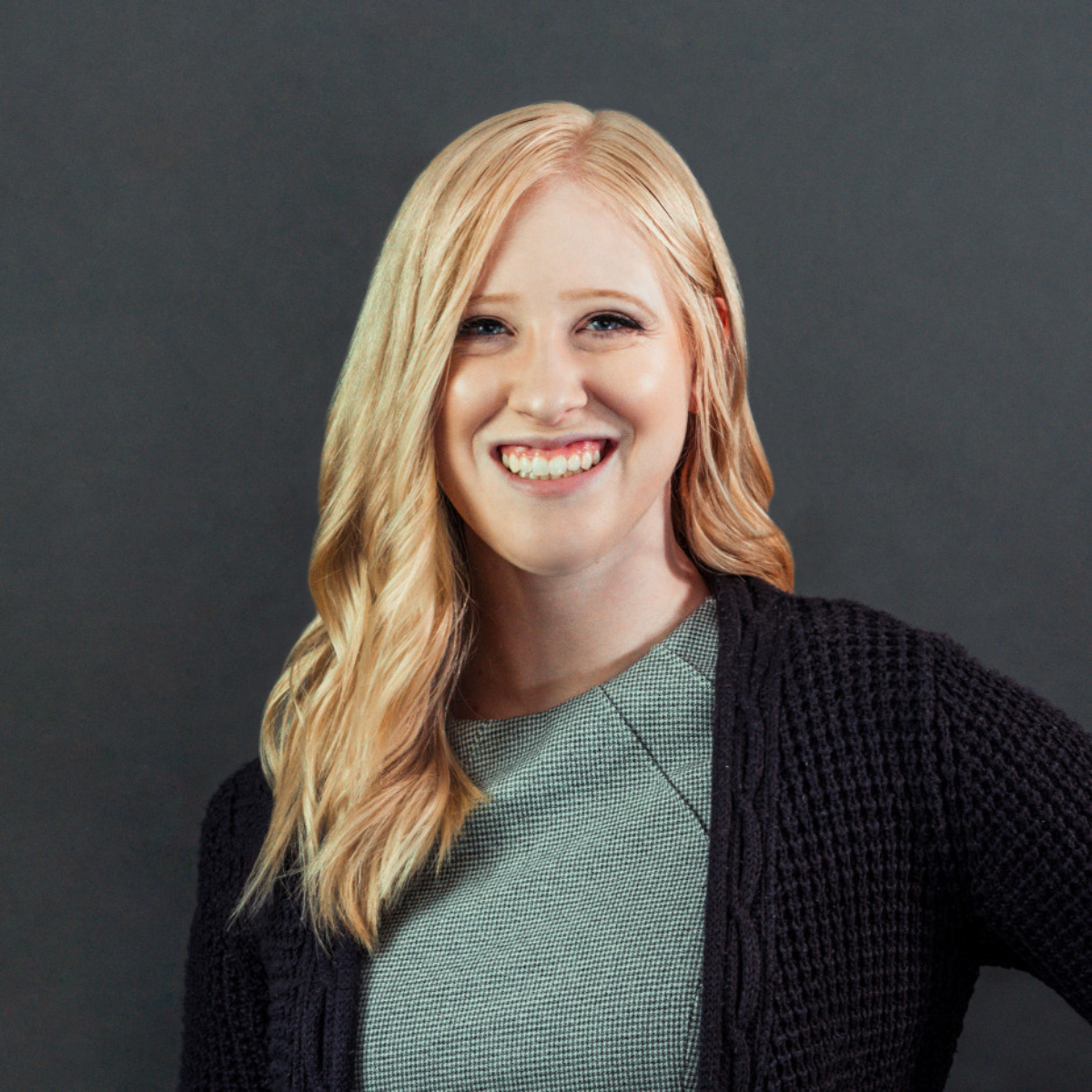
Janelle Unger - Neurological Rehabilitation, Mobility, Gait
Optimizing gait and balance for individuals with neurological impairments, integrating lived experiences into rehabilitation, and enhancing access to services that promote lifelong mobility and activity.