
Search Website
Motivation and Emotion
Research in emotion, motivation, and learning explores how fear, reward, and memory shape behavior, focusing on the neural circuits and mechanisms involved. It also examines mood and anxiety disorders, PTSD, addiction, and their treatments, as well as the effects of drugs on behavior and brain function.
Read more about the research being done by WIN members in emotion, motivation and learning at WIN below.
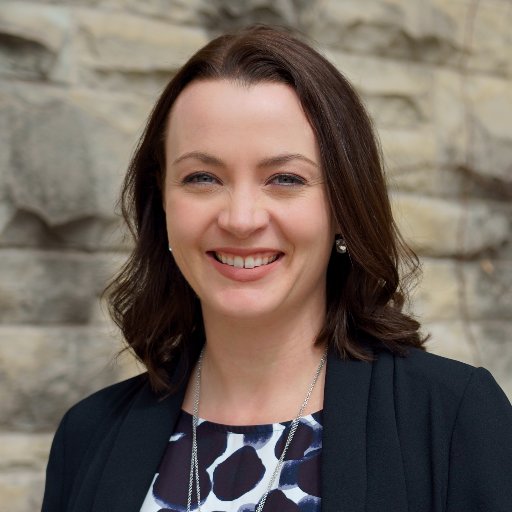
Kelly Anderson - Epidemiology, Psychosis, Mental and Brain Health
Kelly Anderson is an epidemiologist and health services researcher interested in mental and brain health of the population. As the Canada Research Chair in Public Mental Health Research, she is interested in the risk, course, and outcome of mental illness for different population groups, as well as in the social determinants of health service access and utilization. She has a particular interest in the mental health of adolescents and young adults, and her research to date has typically focused on first-episode psychosis and early intervention services.

Cheryl Currie - Addictions, Social Experiences, Health & Behaviour
Examination of the ways in which social experiences, both positive and negative, get under the skin to shape health and behaviour, with a special focus on addictive behaviour.

Arash Dhaliwal - Addictions, Prevention & Early Intervention for Psychoses
Studying addictions, prevention & early intervention for psychoses.

Paul Frewen - Trauma and Mindfulness
Studying trauma, affect regulation, mindfulness, dissociation, and the self, using functional neuroimaging and psychometric methods.

Morgan Gustison - Social Behaviour and Communication
Studying the evolution of social behaviors and their underlying neural mechanisms, with a focus on how communication behaviors support social connections. Also the evolution of primate vocal communication and neural systems supporting social bonding in monogamous rodents.

Elizabeth Hayden - Mood Dysregulation and Early Adversity
Understanding the biological and contextual pathways to mood dysregulation in children, particularly those vulnerable to negative outcomes after early adversity. Uses a multimethod, lifespan approach, incorporating measures such as emotionality, the home environment, psychophysiology, imaging, and genetics to study mood dysregulation across both children and adults.
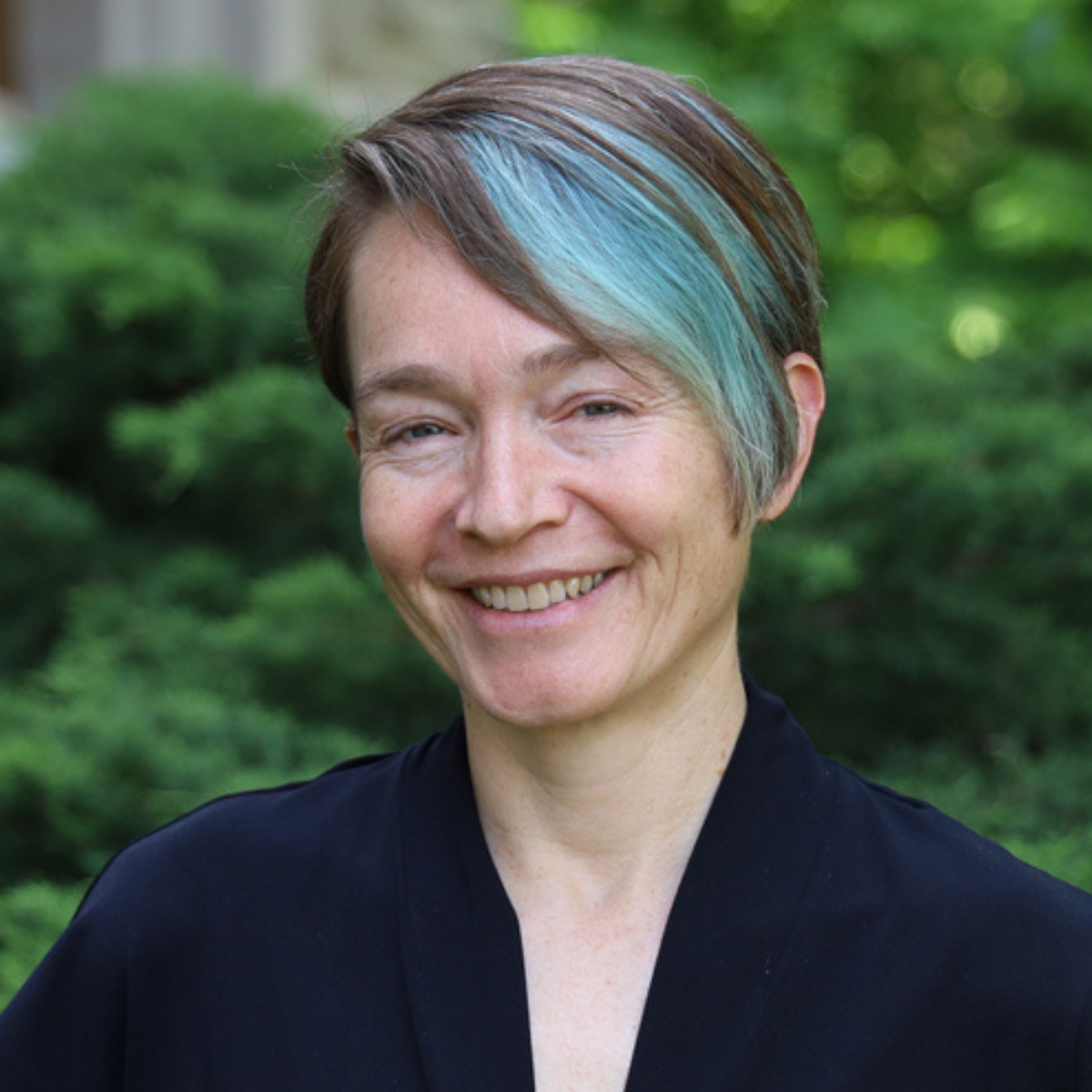
Erin Heerey - Social Cognition and Social Interaction
Studying how people interpret social interactions (social cognition) and the behaviors that result from these interactions (social interaction), exploring the relationship between social cognition and behavior. The lab employs methods from economics, game theory, cognitive and social psychology, ethnography, and machine learning/AI to explore these topics.
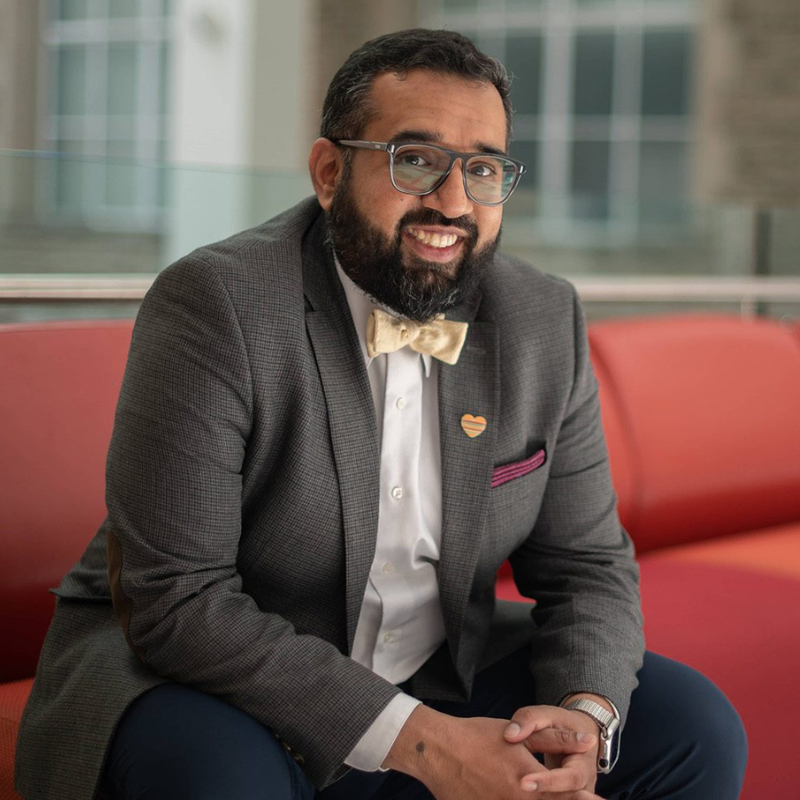
Jibran Khokhar - Mental Illness, Substance Use, Neuroimaging
Studying the mechanisms underlying co-occurring serious mental illness and substance use disorders, with a focus on the long-term effects of adolescent drug use and pharmacokinetic profiles using neuroimaging techniques.
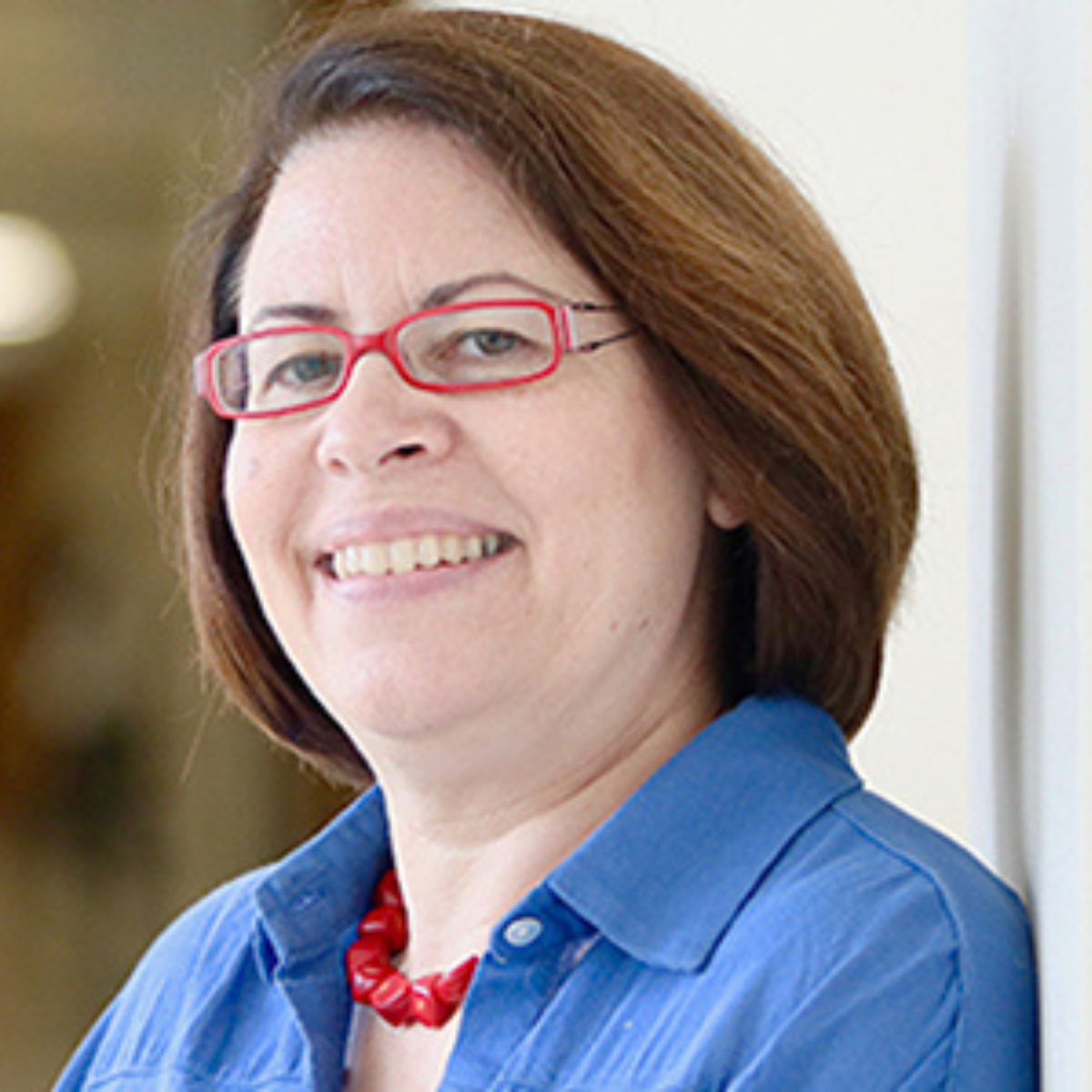
Ruth Lanius - PTSD, Neurobiology, Treatment
Understanding the neurobiology of PTSD and treatment outcomes, examining various pharmacological and psychotherapeutic approaches.
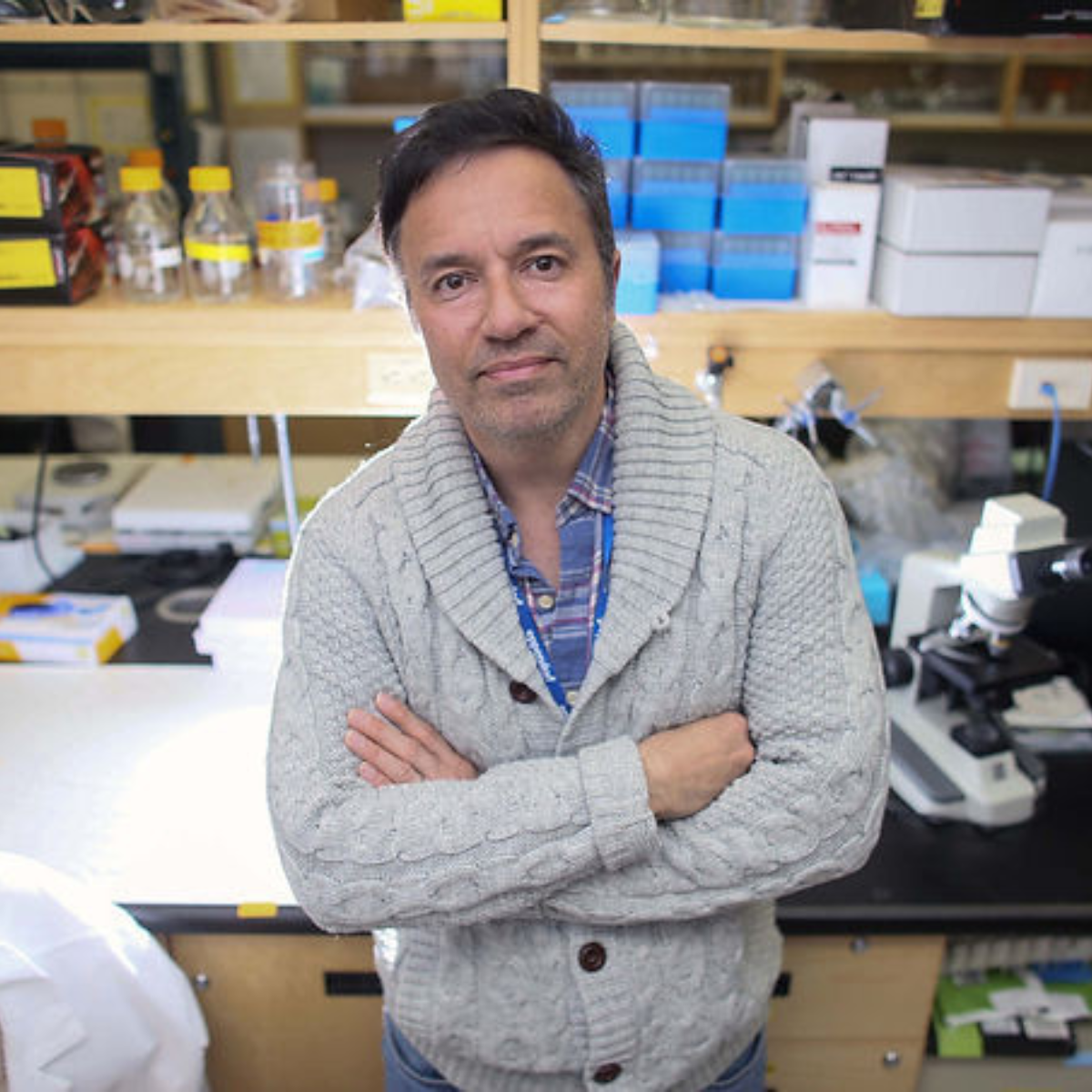
Steven Laviolette - Neurobiology, Psychiatry, Emotion
Studying the neurobiological and molecular mechanisms underlying psychiatric disorders, exploring how chronic drug exposure during vulnerable developmental periods influences emotional processing and behavior through specific brain circuits and signaling pathways

J. Paul Minda - Categorization, Concepts, and Decision-Making
Understanding how we categorize experiences and how these concepts influence behavior, decision-making, and planning, with particular emphasis on prototype theory and multiple-systems theories of categorization. Work spans humans, animals, and machines, contributing to our understanding of generalization across different learners.

Laura Rosen - Substance Use, Motives, Addiction
Understanding the motives behind substance use, particularly cannabis, and how these motives relate to the development of substance use disorders and addictions.

Jamie Seabrook - Child Health Disparities, Substance Use, Epidemiology
Studying the social determinants of child health disparities and adolescent substance use. Understanding and addressing health inequities, with expertise in epidemiology and biostatistics.