
Search Website
Neurodegenerative Disorders
Research on Neurodegenerative Disorders and Injury investigates the mechanisms underlying conditions like Alzheimer’s and Parkinson’s, as well as therapies for brain injuries, stroke, and spinal cord damage. It also explores neuroinflammation, neuroprotection, and strategies to promote recovery and wellness.
Read more about the research being done by WIN members in the field of neurodegenerative disorders below.
Reza Azarpazhooh - Stroke
Understanding cerebrovascular and cardiovascular disease, focusing on stroke, atherosclerosis, and dementia. His research uses neuroepidemiology and population-based methods to examine disease distribution and inform prevention strategies.
Jaspreet Bhangu - Vascular Cognitive Impairment
Understanding the vascular causes of cognitive impairment, falls, orthostatic hypotension, and syncope, with a particular interest in neurodegeneration and aging.
Tim Bussey - Cognition, Neurodegeneration, Therapy
Understanding cognition, exploring how the healthy brain functions, what goes wrong in neurodegenerative and neuropsychiatric diseases, and identifying therapeutic targets, while also improving preclinical-to-clinical translation.
Brian Corneil - Brain Control of Movement
Studying how the brain transforms visual information into action, particularly how cortical and subcortical areas coordinate movement in a dynamic environment. Seeking to enhance the understanding of brain changes after injury or disease and inform non-invasive brain stimulation therapies.
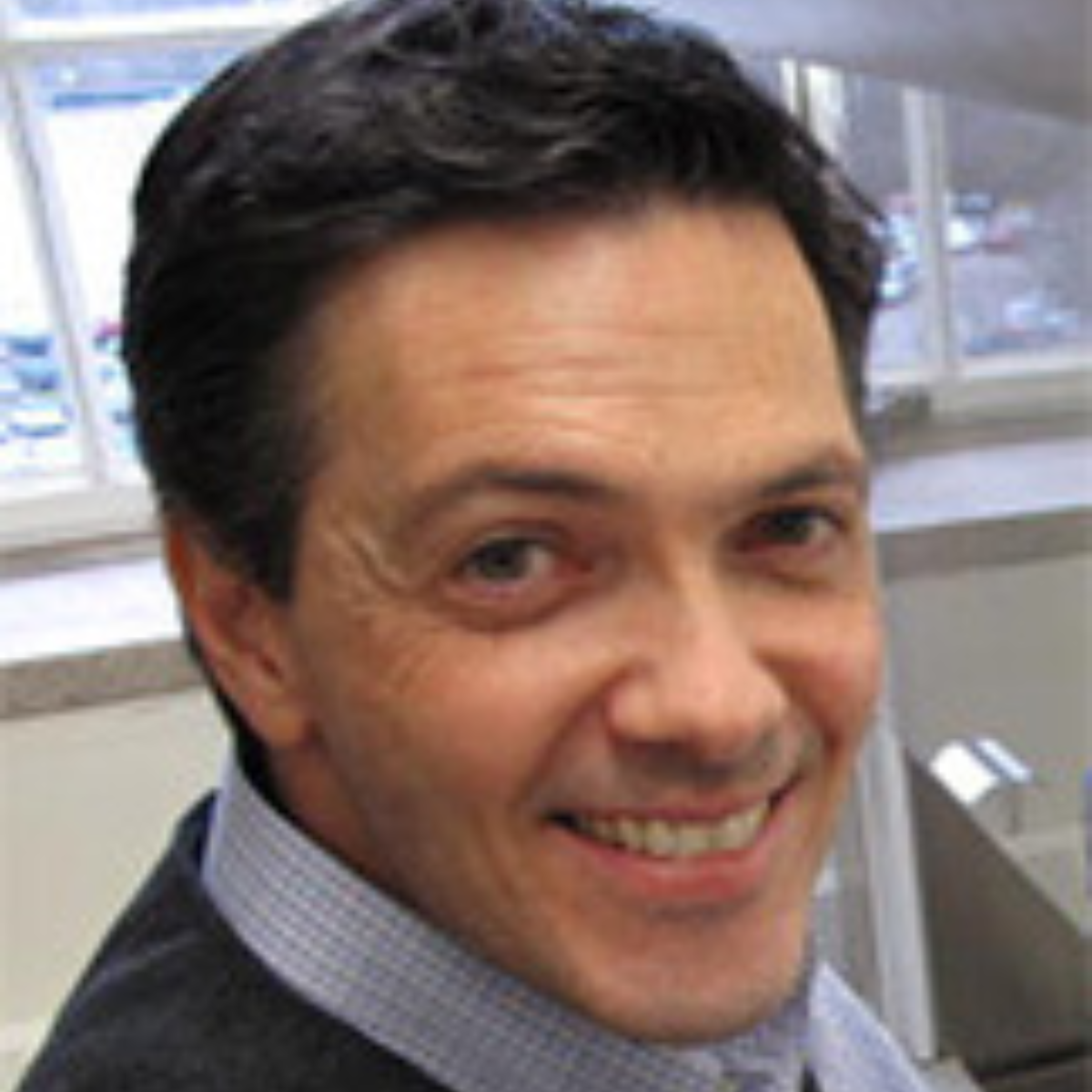
Robert Cumming - Brain Metabolism and Aging
Studying age-related changes in brain metabolism and antioxidant defense, focusing on how these alterations impact memory and contribute to neurodegenerative disorders like Alzheimer’s disease. Using biochemical, genetic, microscopic, and neuroimaging techniques to examine aerobic glycolysis and antioxidant response in cell culture and animal models of aging and neurodegeneration.
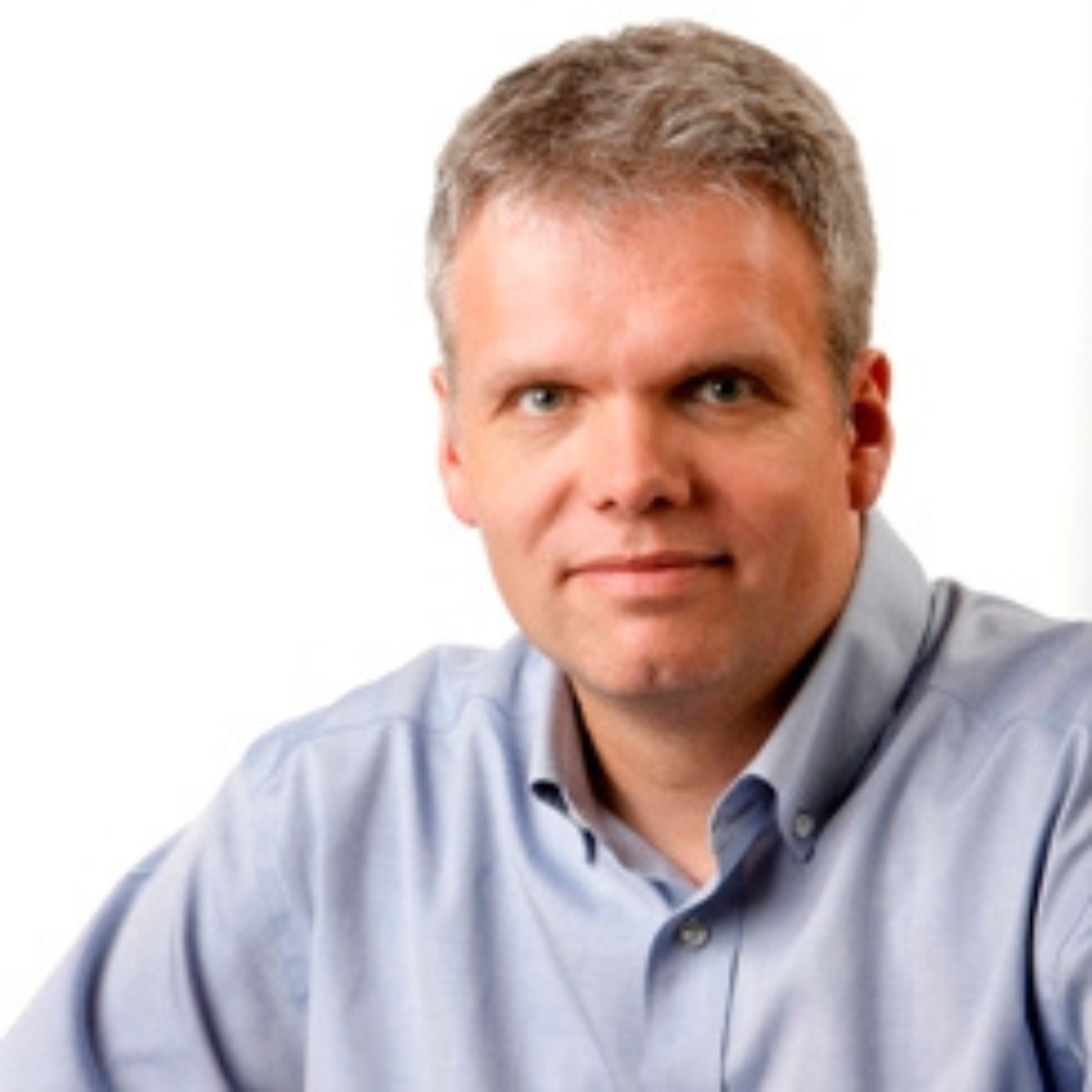
Stefan Everling
Understanding the functional organization of the prefrontal cortex by reconciling conflicting fMRI data through recordings of both fMRI signals in humans and neural activity in non-human primates.
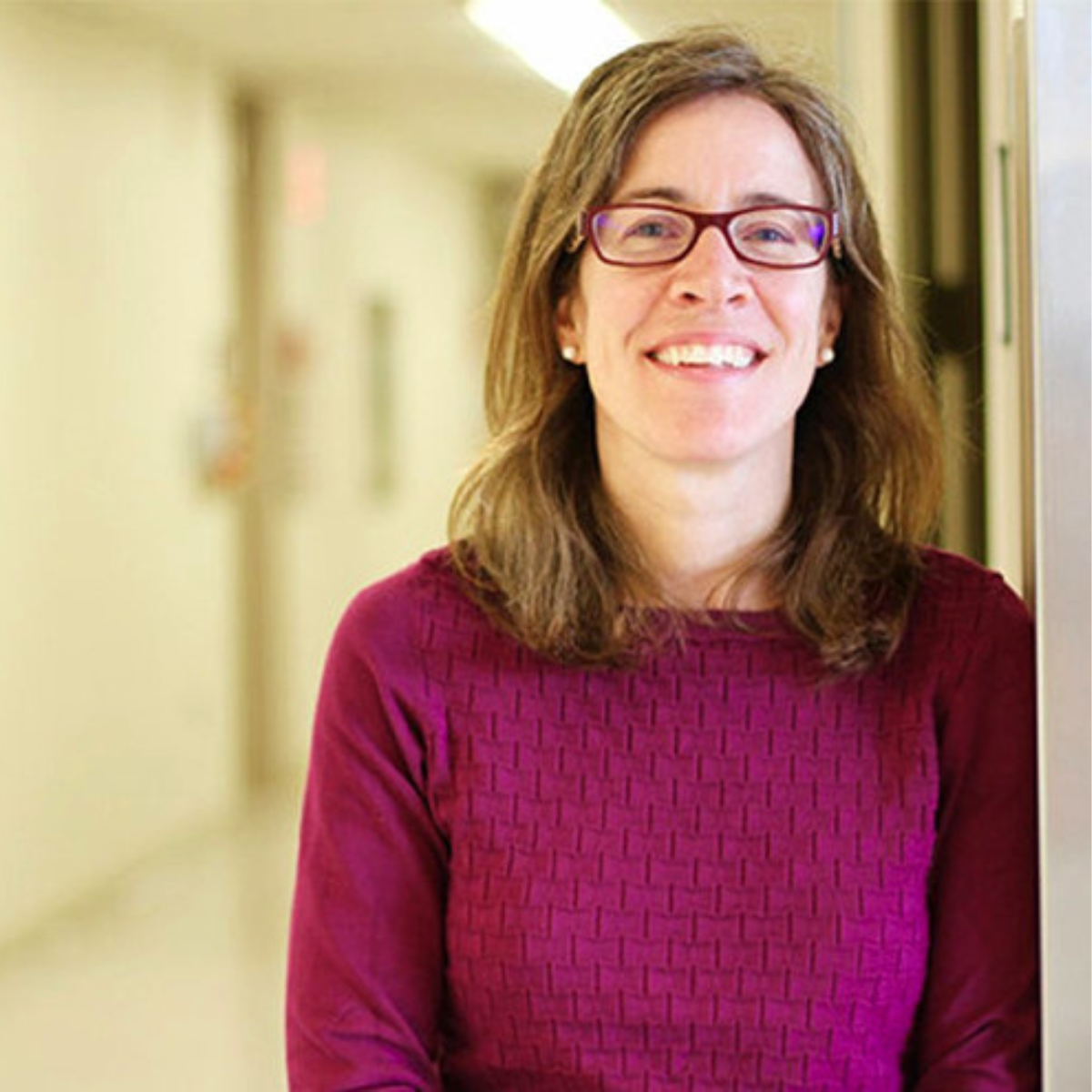
Elizabeth Finger - Decision-Making, Emotion, Neuropsychology
Understanding the cognitive, neural, and genetic substrates of abnormal decision-making, emotion, and social behavior, particularly in patients with Frontotemporal Dementia and related disorders. The work combines neuropsychological tasks, fMRI, diffusion tensor imaging, and genetic studies to identify the affected cognitive and neural systems.
Sebastian Fridman - Stroke, AI, Research Methods
The study of stroke-related topics and advanced research methods, including AI for missing data and combinatorial meta-analysis, while also contributing to stroke care innovations.
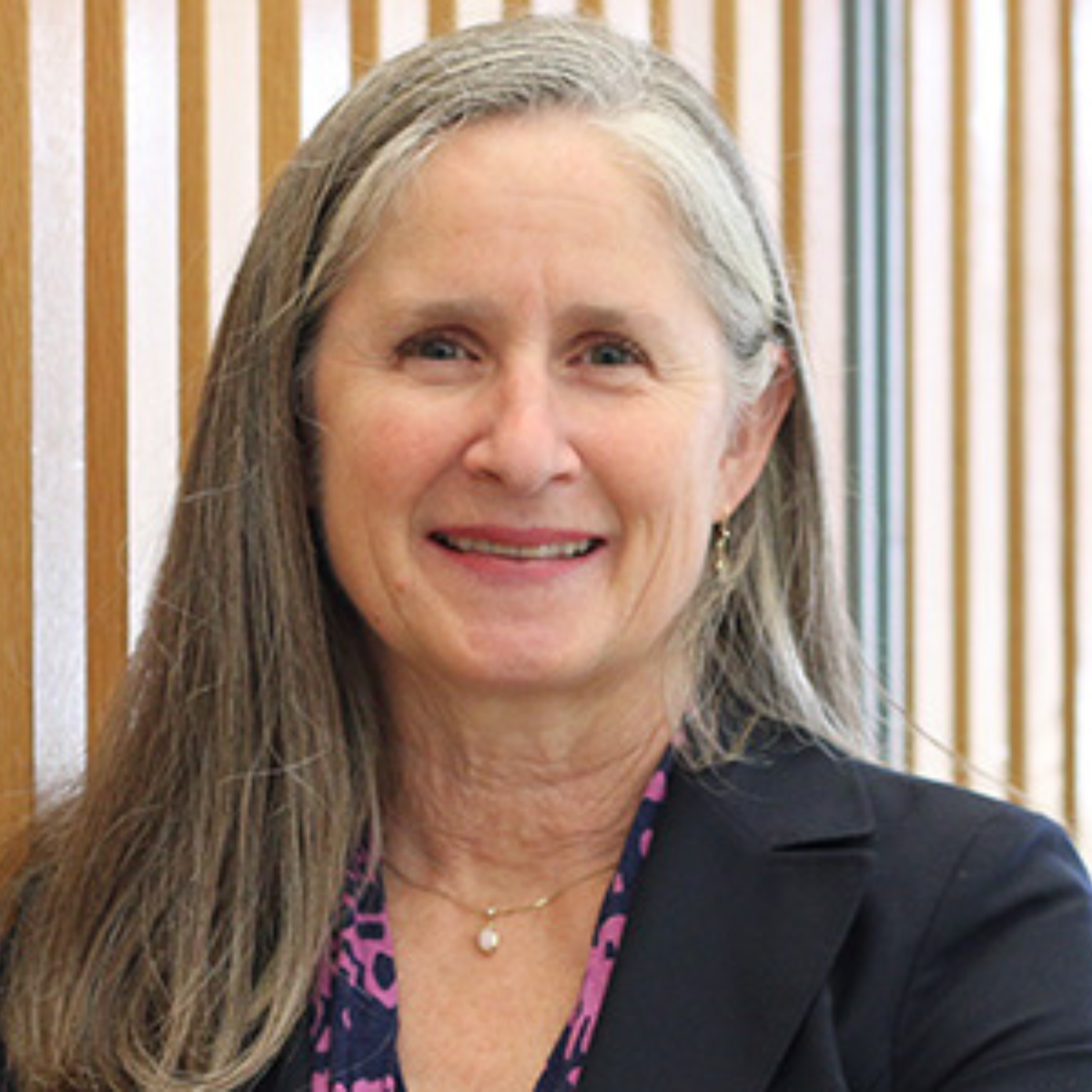
Jayne Garland - Motor Control, Stroke Recovery, Fatigue
Understanding the neural control of force production and movement, particularly under muscle fatigue, and the recovery of motor control following stroke, with an emphasis on postural control and balance.
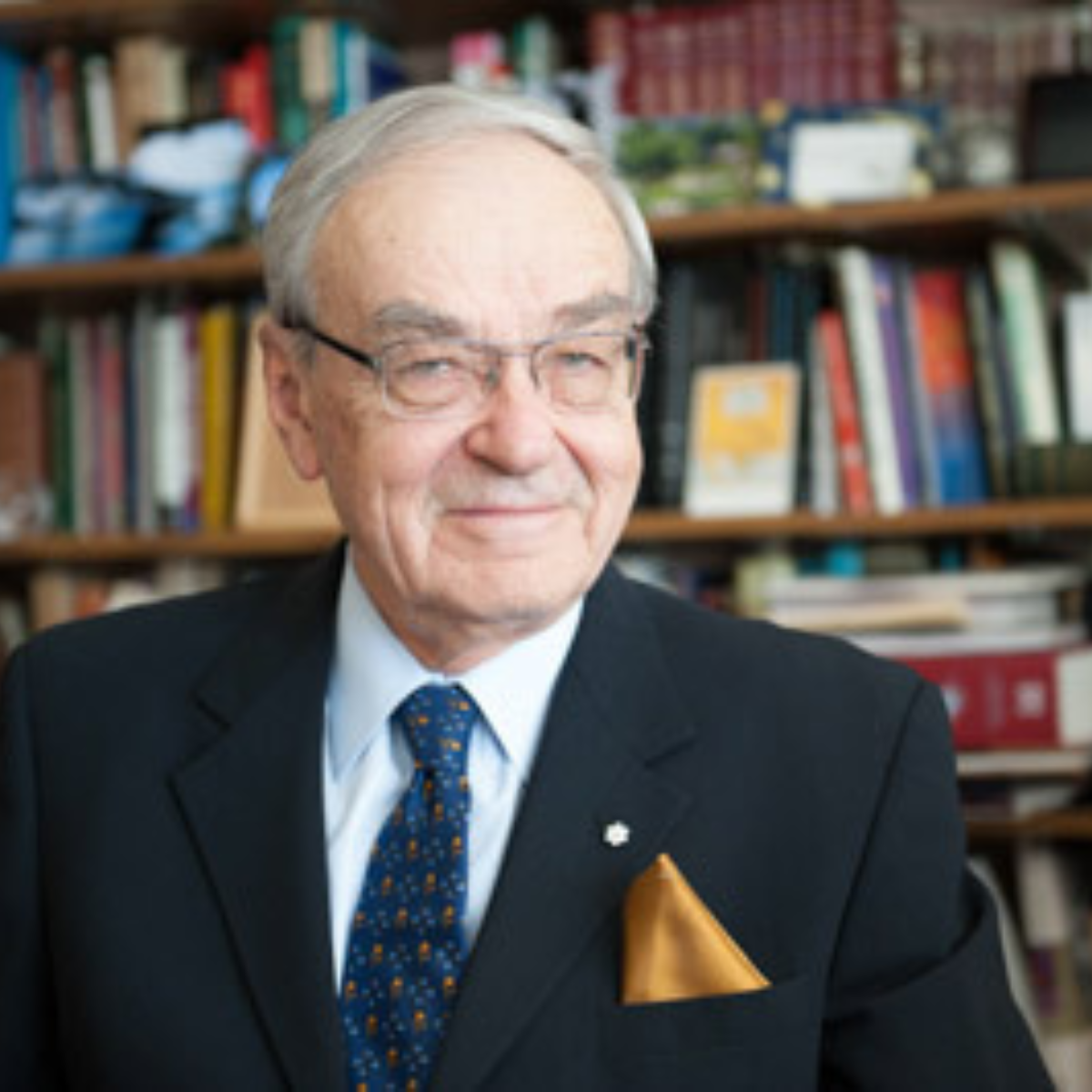
Vladimir Hachinski
Identifying and applying population-based prevention solutions to reduce the incidence of stroke and dementia through comprehensive mapping of risk factors, brain imaging, and cognitive assessments across Canada.
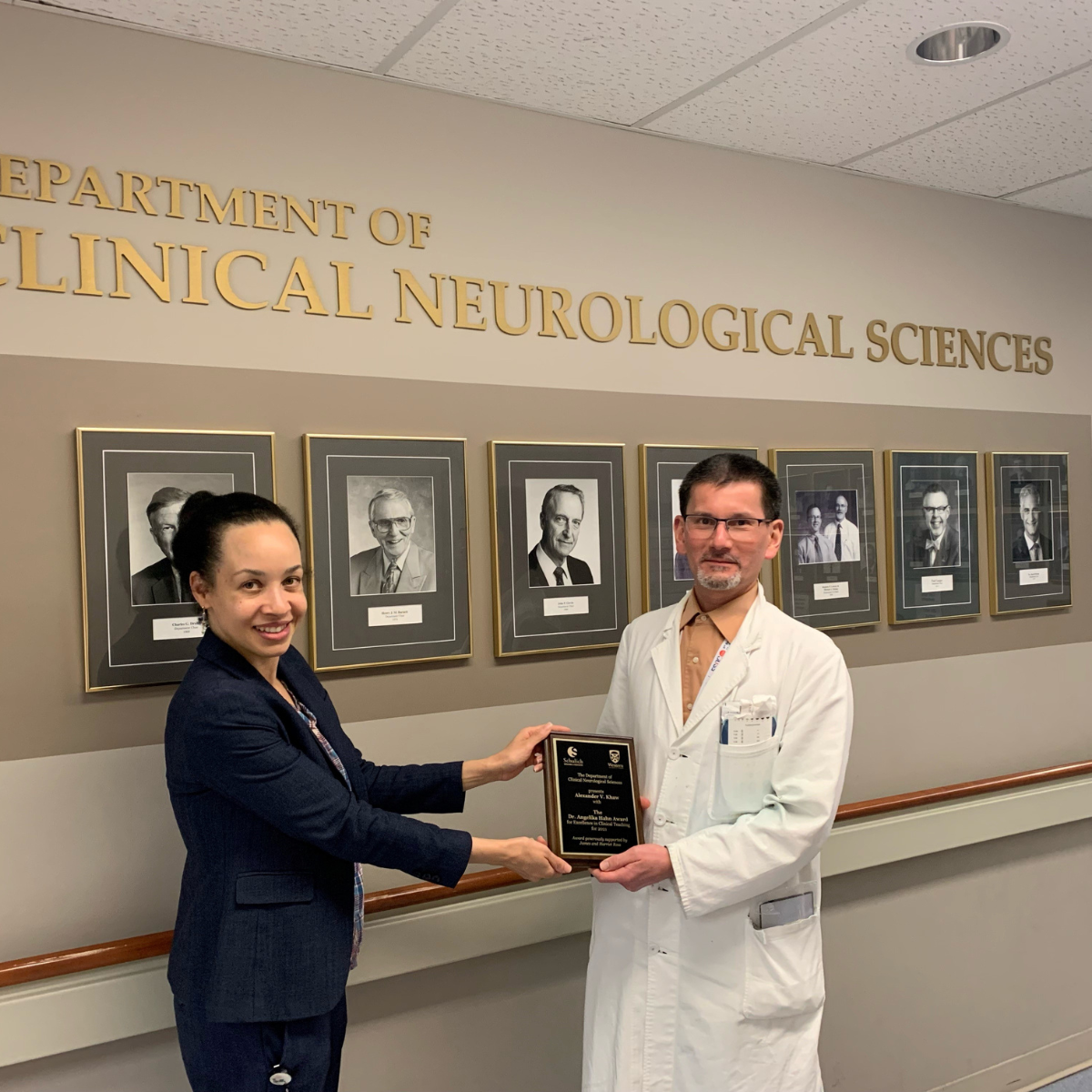
Alexander Khaw - Stroke Medicine, Epileptology, Cerebrovascular Care
Understanding stroke medicine and epileptology.
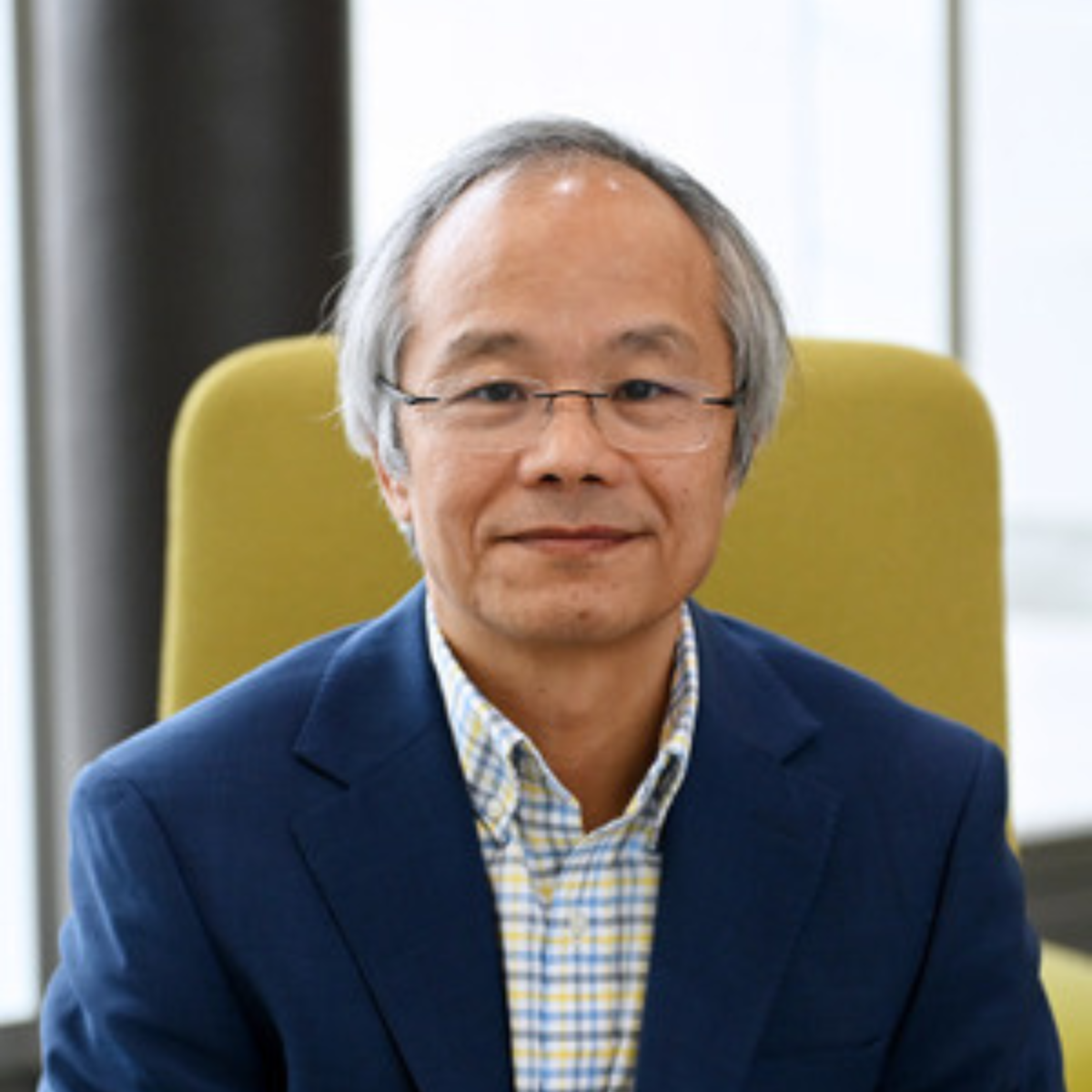
Kun Ping Lu - Cancer, Alzheimer's, Therapeutics
Developing novel therapeutics and diagnostics targeting the Pin1 enzyme to treat and detect cancer, Alzheimer's disease, and other age-related disorders.

Wei-Yang Lu
Understanding the mechanisms through which inflammation affects synaptic plasticity and glutamatergic transmission, as well as the role of GABA signaling in non-neuronal cells.
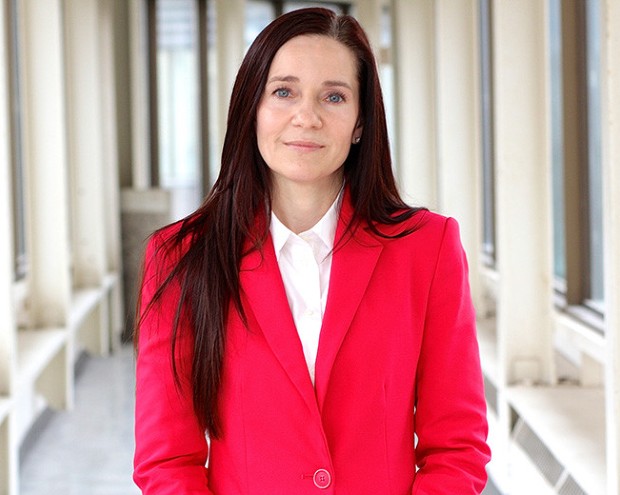
Penny MacDonald - Cognitive Neuroscience, Neuroimaging, Movement Disorders
Understanding the neural bases for cognitive processes with particular interest in defining the unique role of the basal ganglia. A further interest is in understanding the cognitive features of movement disorders such as Parkinson's disease, Lewy Body Dementia, Corticobasal Ganglionic Degeneration, Progressive Supranuclear Palsy, and Multiple Systems atrophy, as well as the effect of medication on cognition in these patient groups.
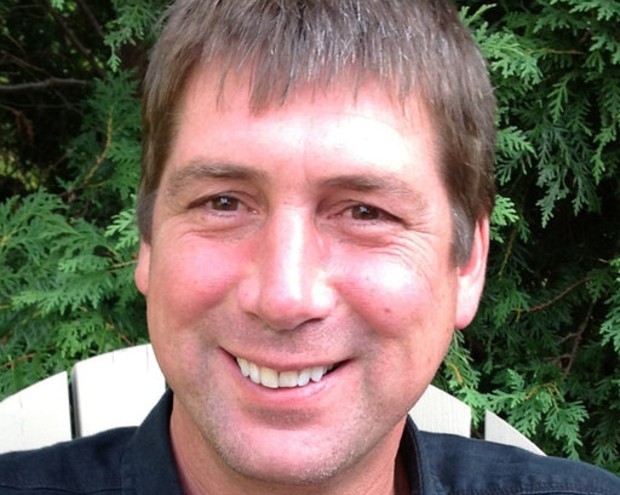
Ken McRae - Word Meaning and Sentence Comprehension, Parkinson's Disease
How people understand word meanings and process sentences, using techniques such as neural imaging (ERP, fMRI), eye tracking, and neural network modeling. Work also extends to studying language processing in patient populations, particularly individuals with Parkinson's Disease.
Laura Murray - Language, Cognition, Disorders
Understanding the interaction between language abilities and cognitive deficits in neurogenic disorders, including aphasia, traumatic brain injury, and progressive neurological diseaases as well as developing assessment and treatmentprocedures for acquired language disorders and related symptoms.
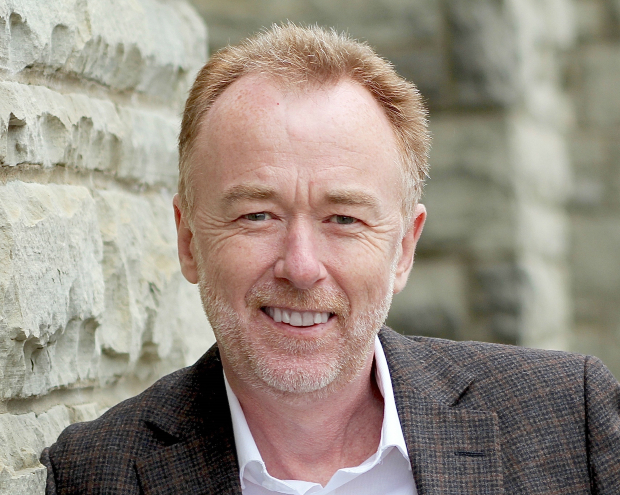
Adrian Owen - Consciousness, Neuroimaging
Discovering ways to communicate with patients who appear to be in a vegetative state, neuroimaging to illuminate the human brain's function and structure, challenging long-held views about brain training and intelligence. Additionally, harnessing the power of computerized cognitive testing.
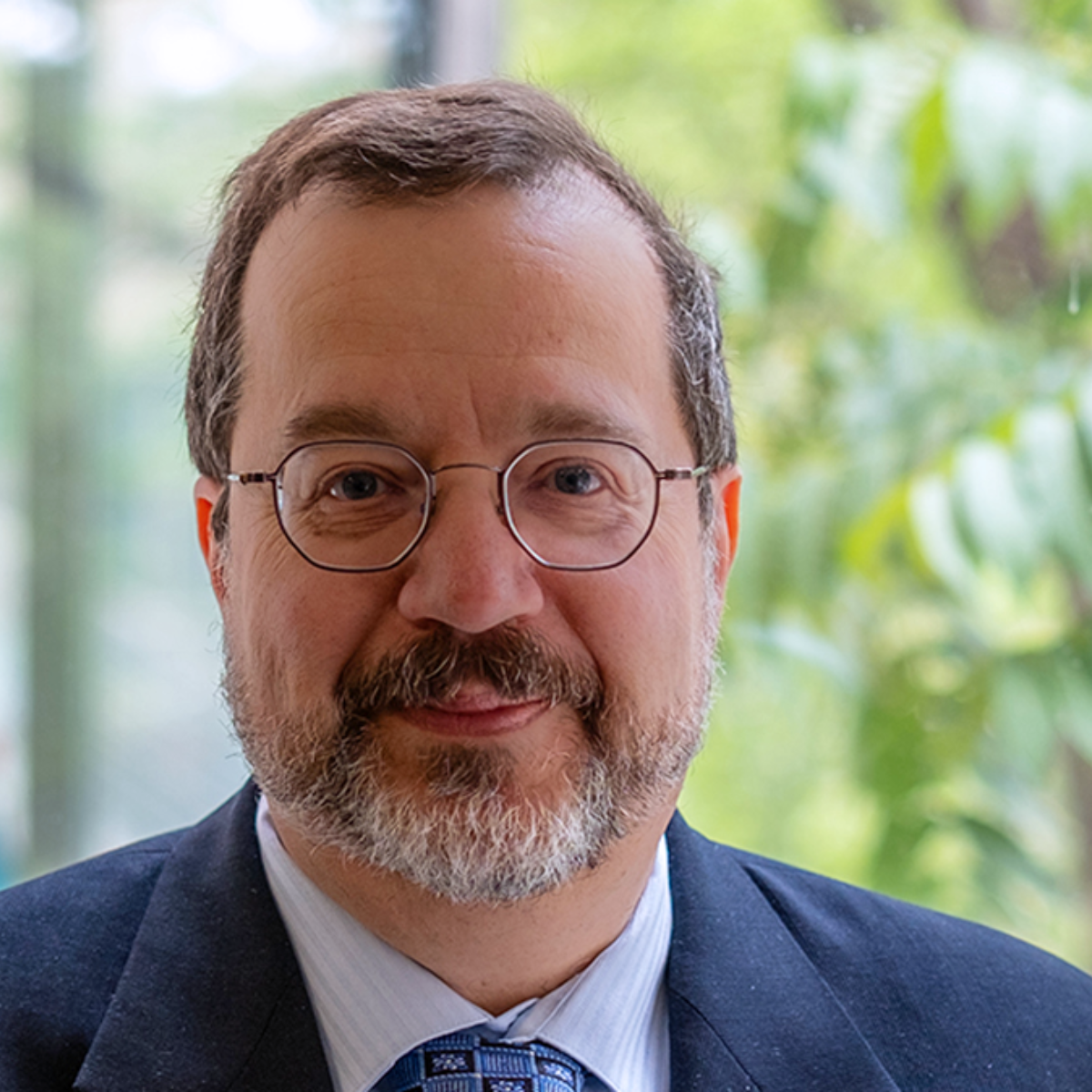
Steve Pasternak - Neurodegenerative Diseases, Alzheimer's, Cognitive Disorders
Studying the diagnosis, treatment, and clinical trials related to neurodegenerative diseases, including Alzheimer’s disease, Lewy Body Disease, Parkinson’s Disease Dementia, and Frontotemporal Dementia. Also the use of Magnetic Resonance Imaging (MRI) to explore cognitive disorders and advance understanding of these conditions.
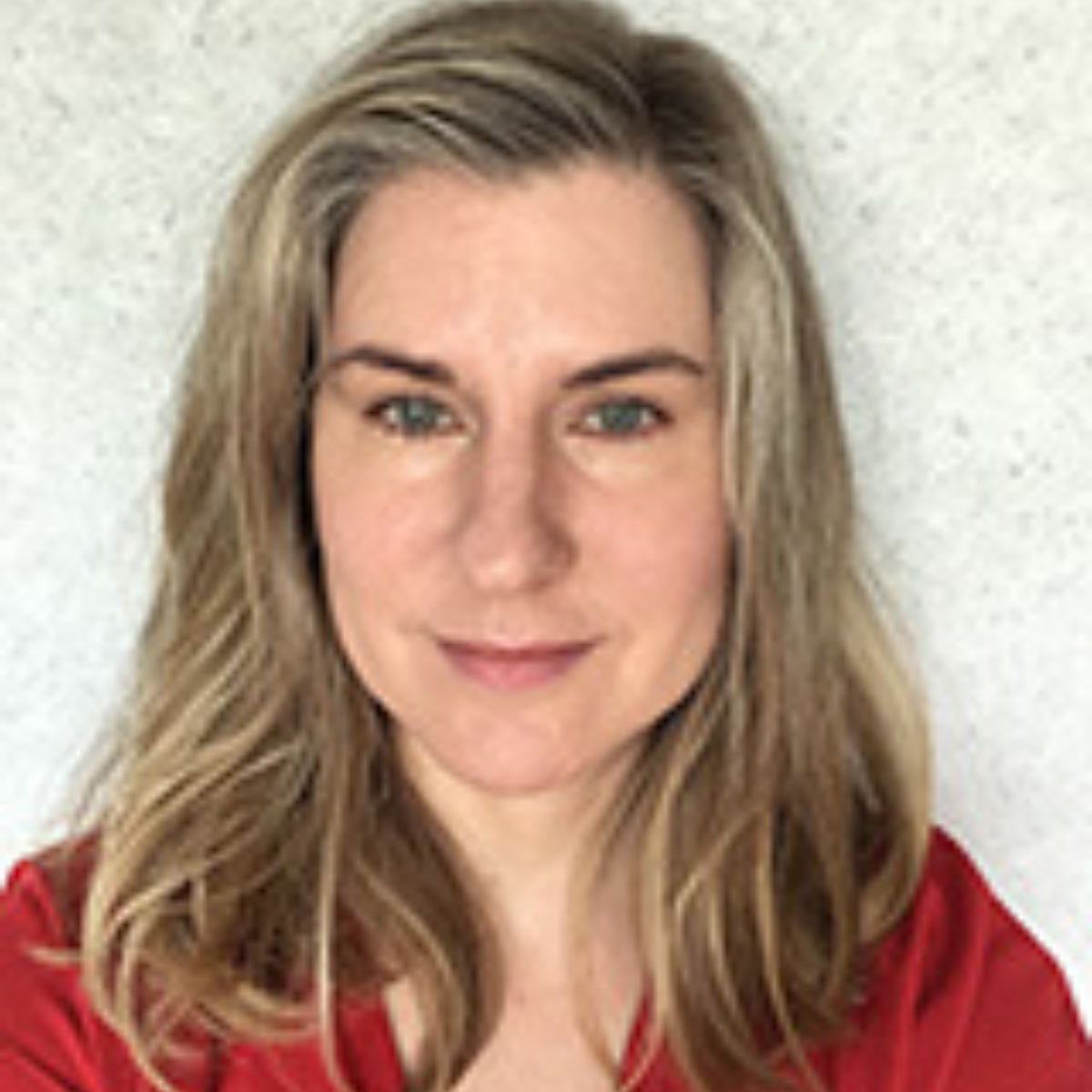
Sue Peters - Mobility, Neurorehabilitation, Neuroimaging
Understanding the use of advanced neuroimaging techniques to study brain function in mobility control and recovery, focusing on how to optimize mobility outcomes and neurorehabilitation after injuries like stroke.
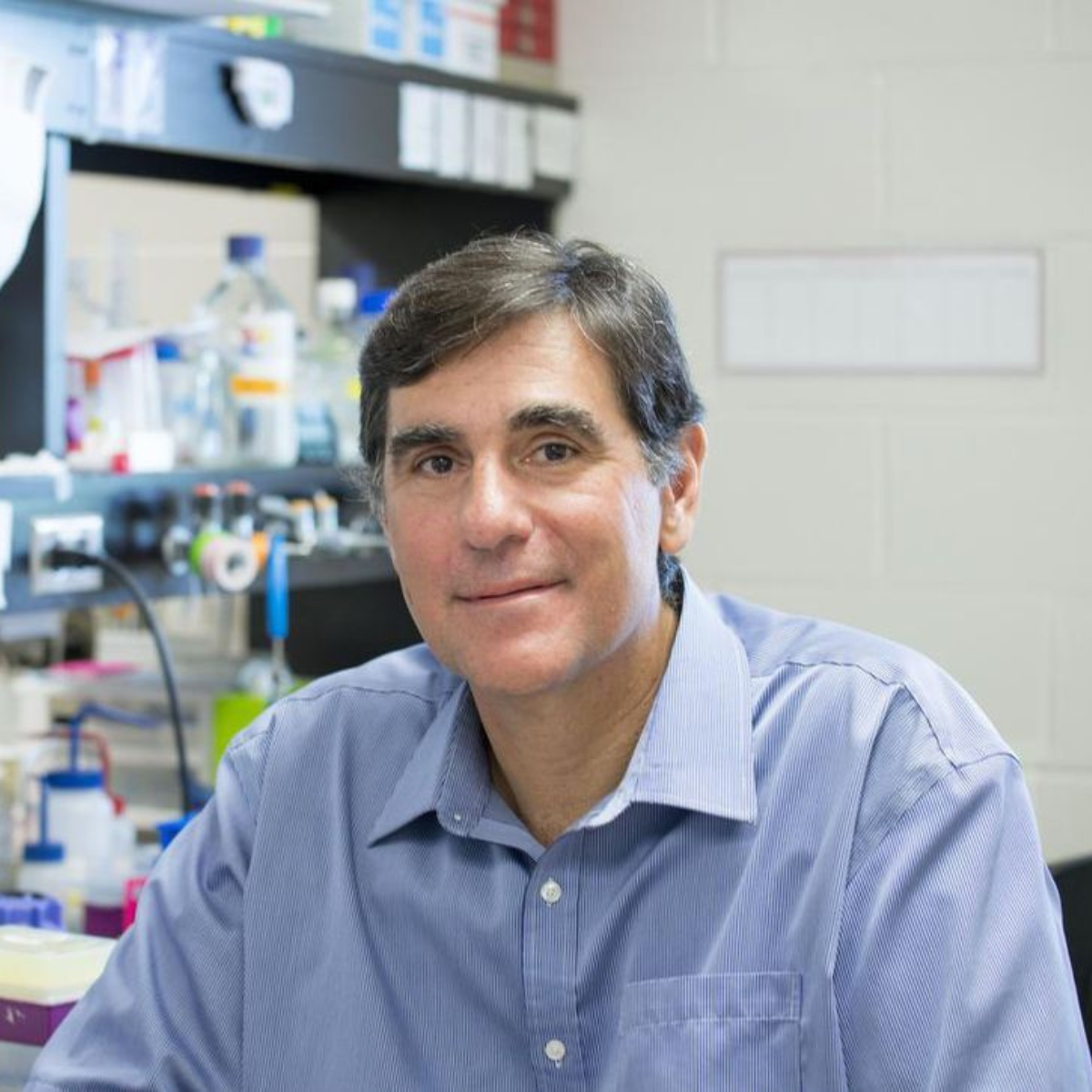
Marco Prado - Neuronal Communication, Neurodegeneration, Pharmacological Targets
Understanding the cellular and molecular basis of neuronal communication, how it is altered in neurodegenerative diseases like Alzheimer's and Huntington's, and developing novel pharmacological targets to treat these disorders, with a particular emphasis on cholinergic synapses and prion diseases.
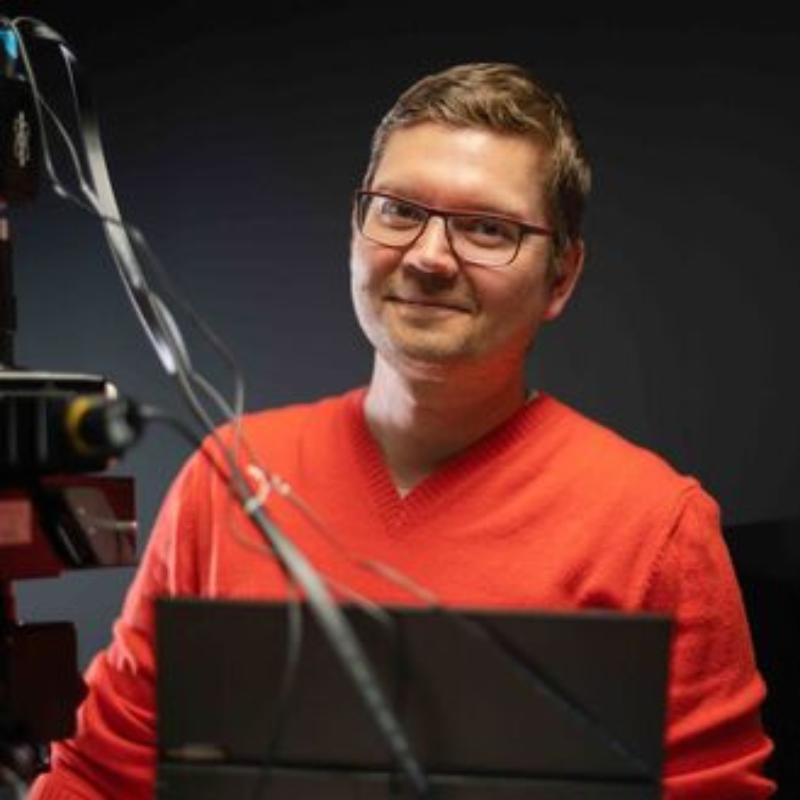
Andrew Pruszynski - Sensorimotor Function, Neurophysiology, Rehabilitation
Understanding how the nervous system coordinates the complex interactions between the body’s mechanical properties and neural circuits during arm movement and object manipulation. This work combines neurophysiology, modeling, behavioral studies, and patient research to improve treatment for conditions like nerve and spinal cord injuries, as well as diseases such as ALS.
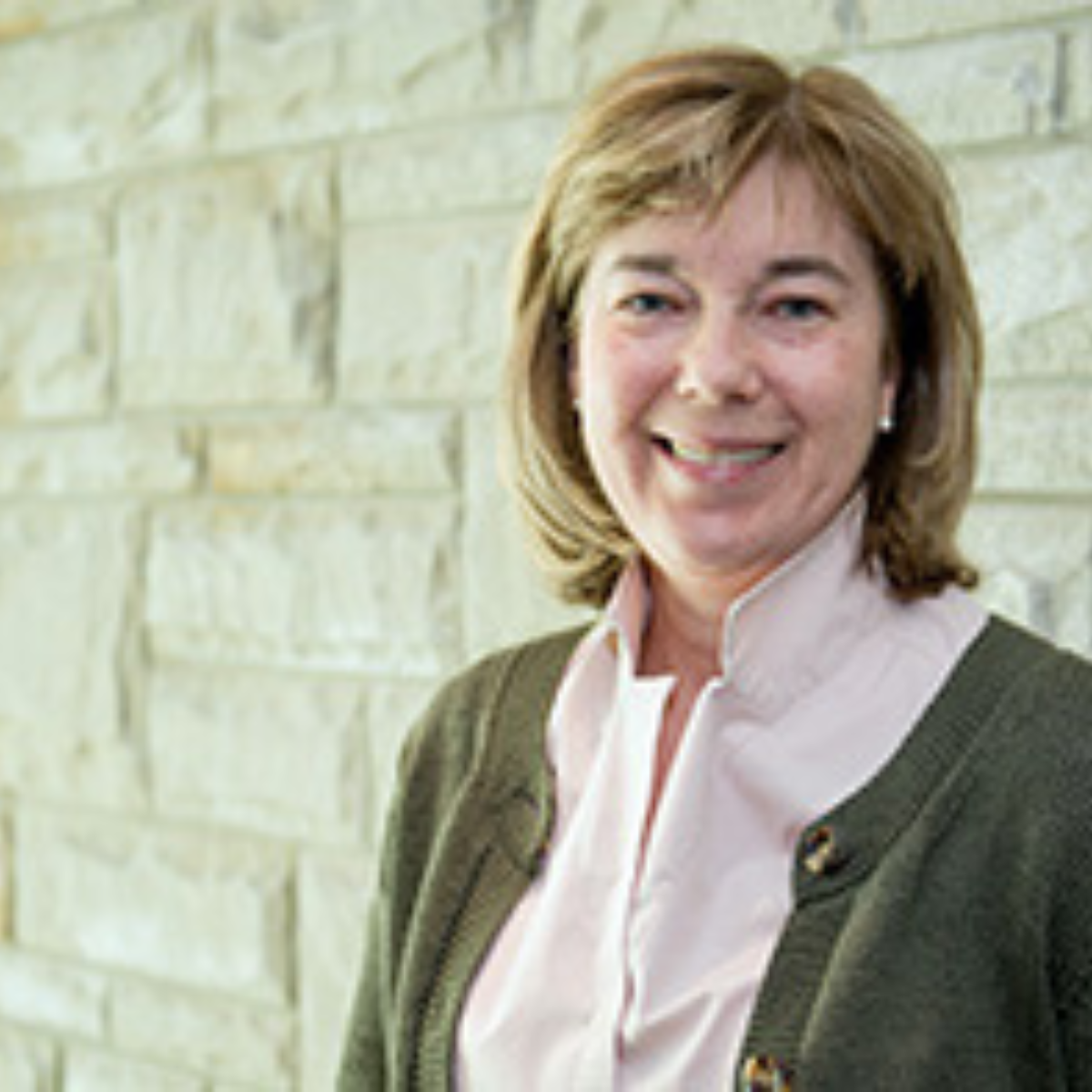
Jane Rylett - Cholinergic Function, Neurobiology, Alzheimer's
Understanding the cellular and molecular mechanisms regulating cholinergic neurons, with an emphasis on how neurochemical communication is altered in aging and diseases like Alzheimer’s. The investigation of the role of cholinergic proteins, their regulation through phosphorylation, and the impact of cholinergic dysfunction on cognitive and motor functions, using advanced imaging and genomic techniques
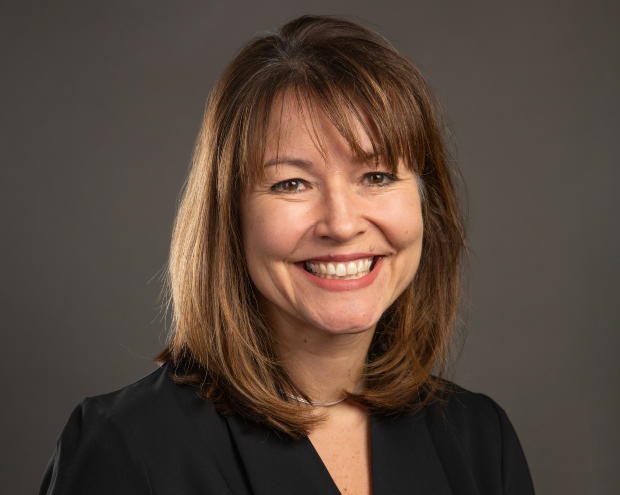
Lisa Saksida - Brain Circuits, Cognition, Disease
Understanding brain circuits and mechanisms underlying cognition in both healthy brains and disease models, with a particular emphasis on Alzheimer’s and schizophrenia.
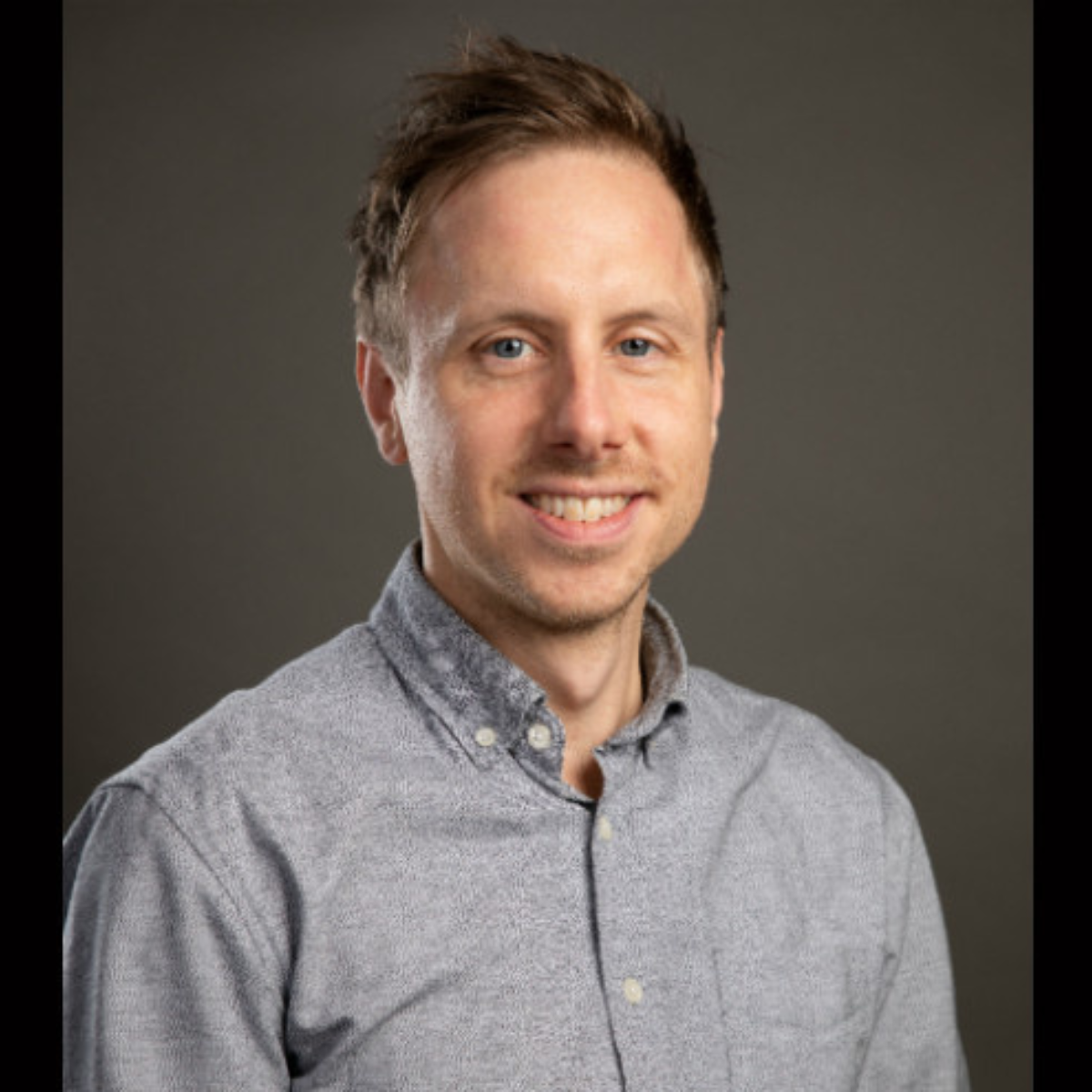
Taylor Schmitz - Cholinergic Systems, Brain Resilience, Neurodegeneration
Understanding the interaction between ascending neuromodulatory systems, particularly the cholinergic system, and the cortex, exploring both their basic organization and their vulnerability to dysfunction and degeneration. Exploring the mechanisms of brain resilience to aging and the early stages of Alzheimer’s disease, utilizing cross-species neuroimaging and cognitive profiling techniques.
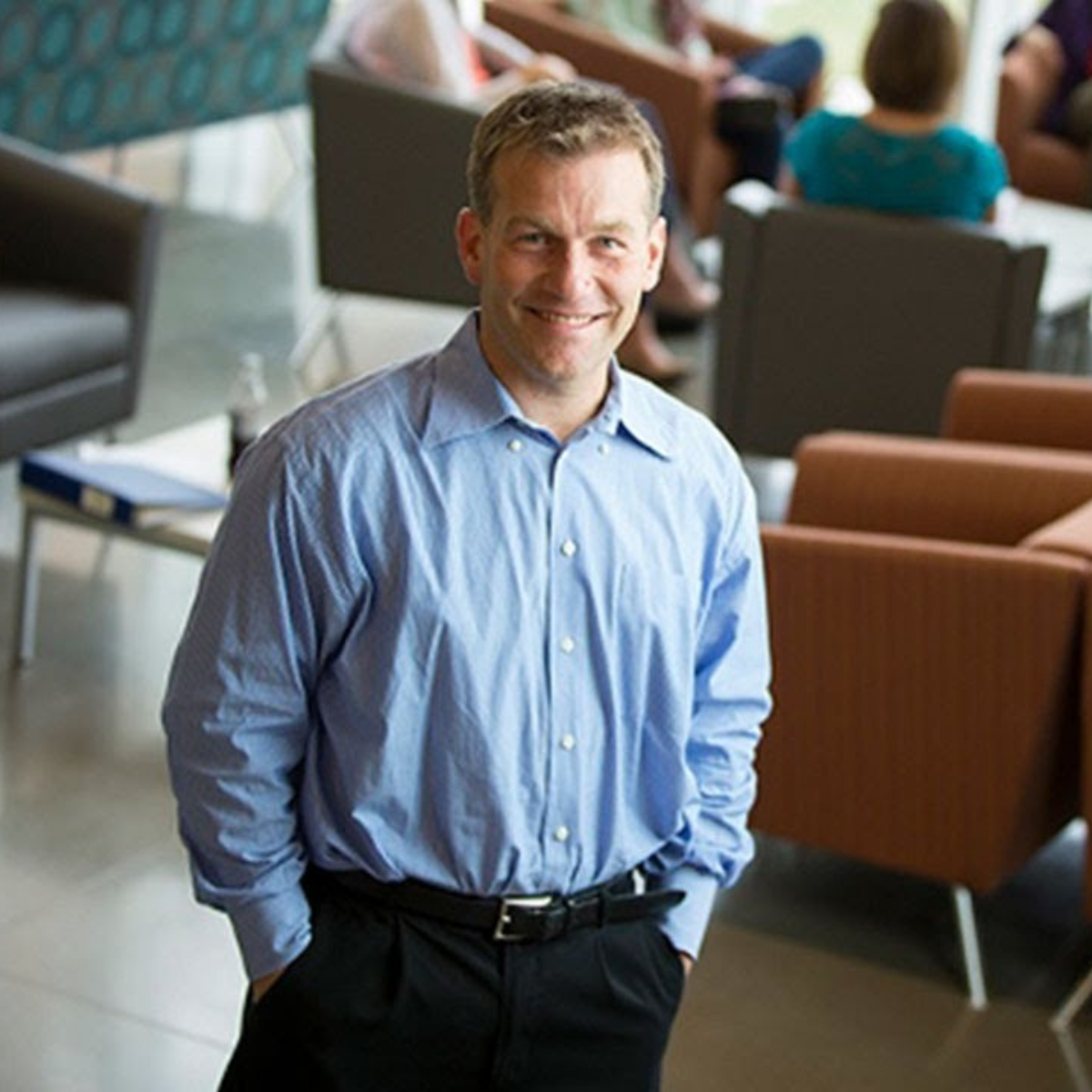
Jamie Seabrook - Child Health Disparities, Substance Use, Epidemiology
Studying the social determinants of child health disparities and adolescent substance use. Understanding and addressing health inequities, with expertise in epidemiology and biostatistics.
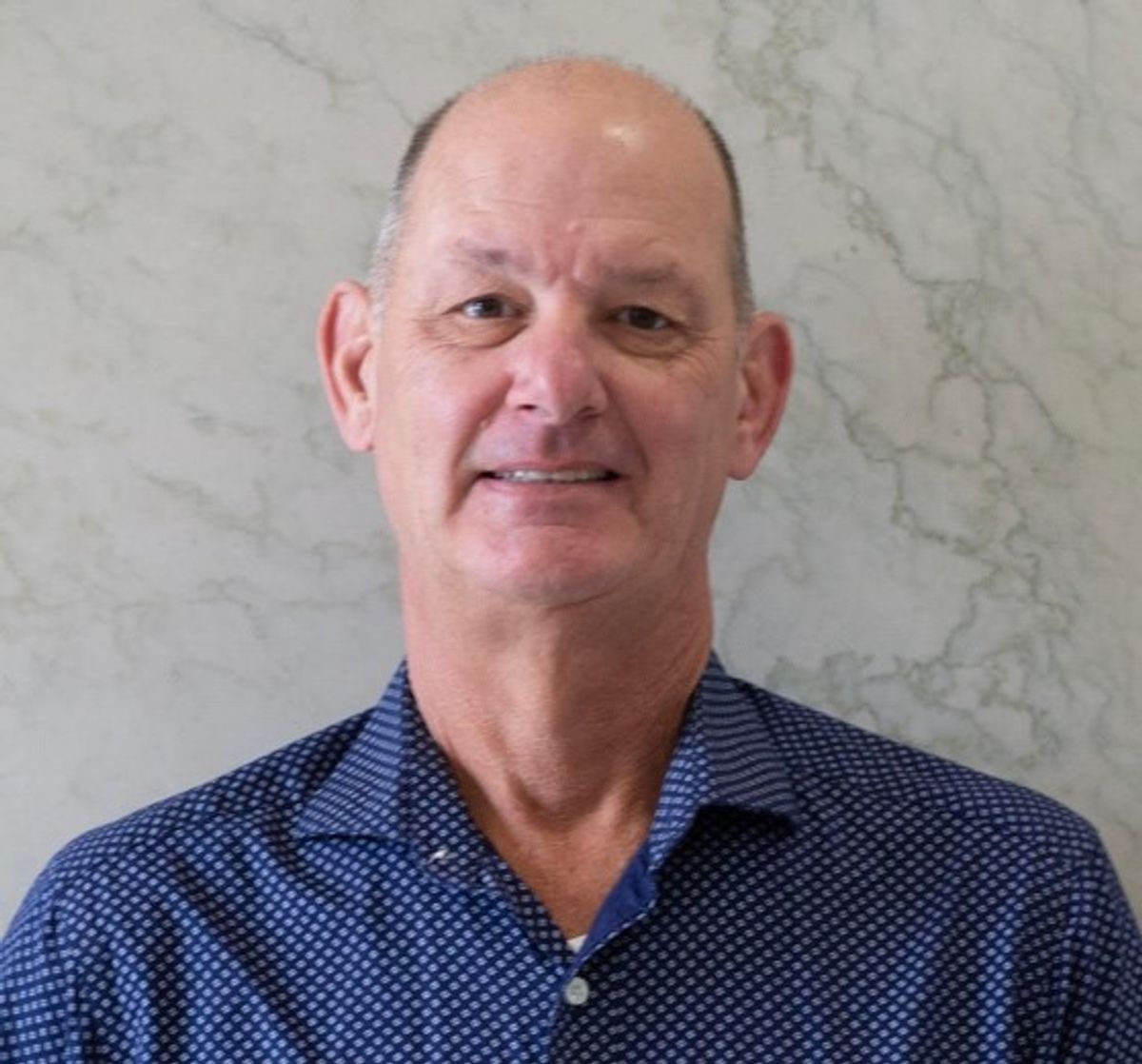
Gary Shaw - Biophysics, Neurodegeneration, Therapeutics
Investigating how protein structure and cellular repair mechanisms go awry in disease to advance therapeutic strategies for neurodegeneration and beyond.
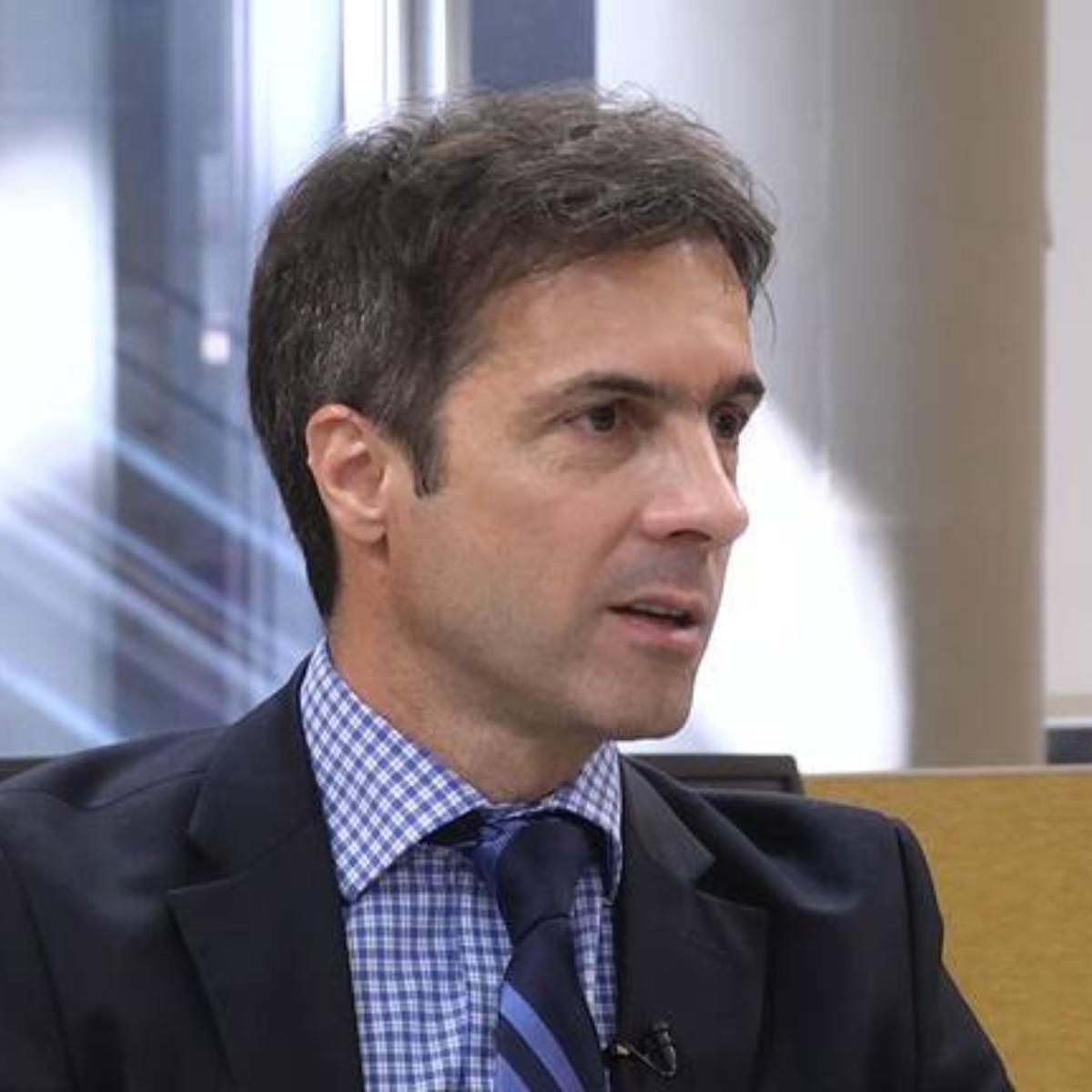
Luciano Sposato - Brain, Heart Connection, Stroke, Dementia
Understanding the brain-heart connection, investigating stroke-related cardiovascular complications, cognitive impairment, and the link between stroke and dementia.Epidemiology of epilepsy, particularly disparities in care and outcomes following different interventions.
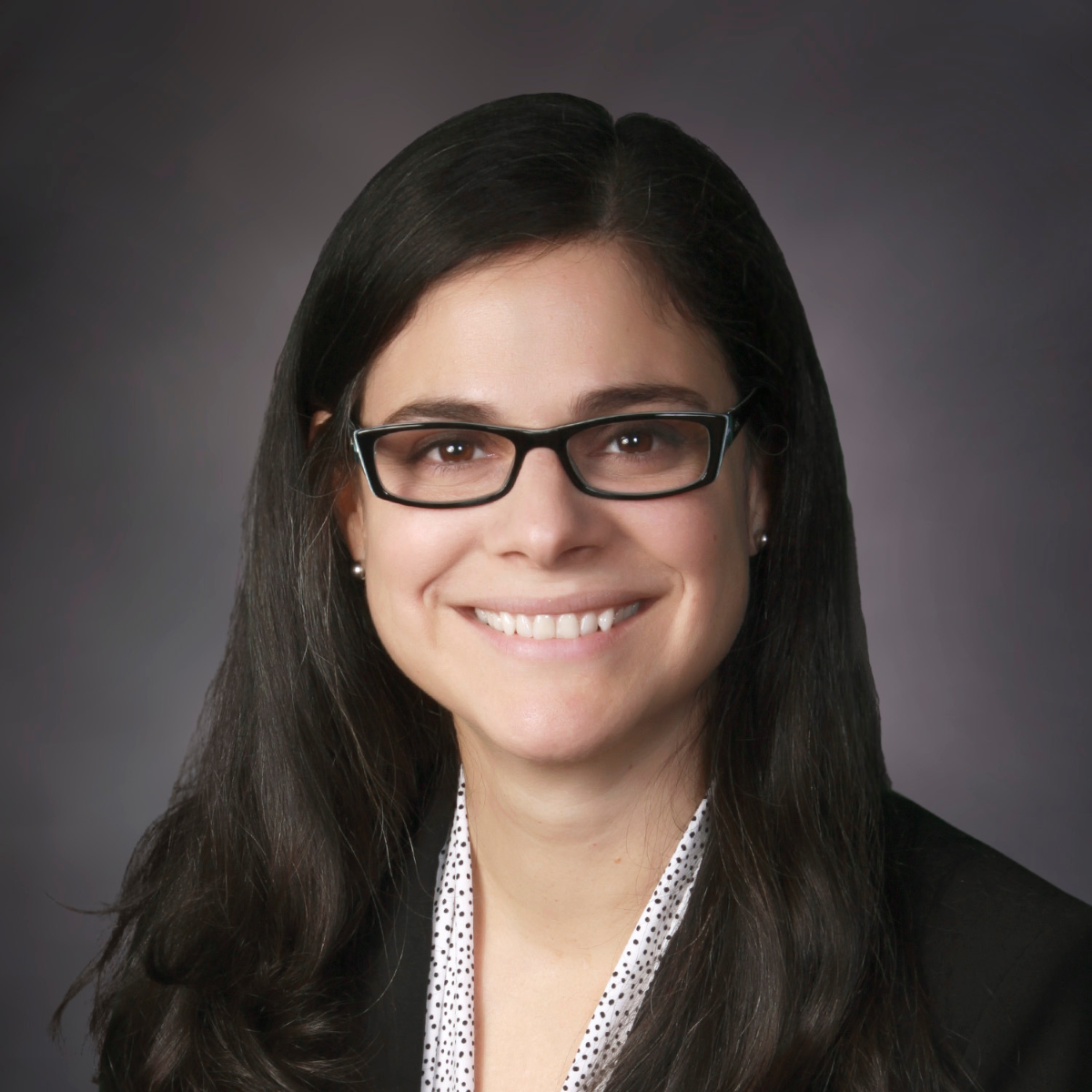
Ana Luisa Trejos - Wearable Medical Mechatronics
The design, integration, and evaluation of wearable mechatronic devices for medical applications, particularly upper body rehabilitation and motion assistance. The development of novel sensing and actuation components, modeling biosignals, and creating intelligent control systems for adaptive, unobtrusive devices.
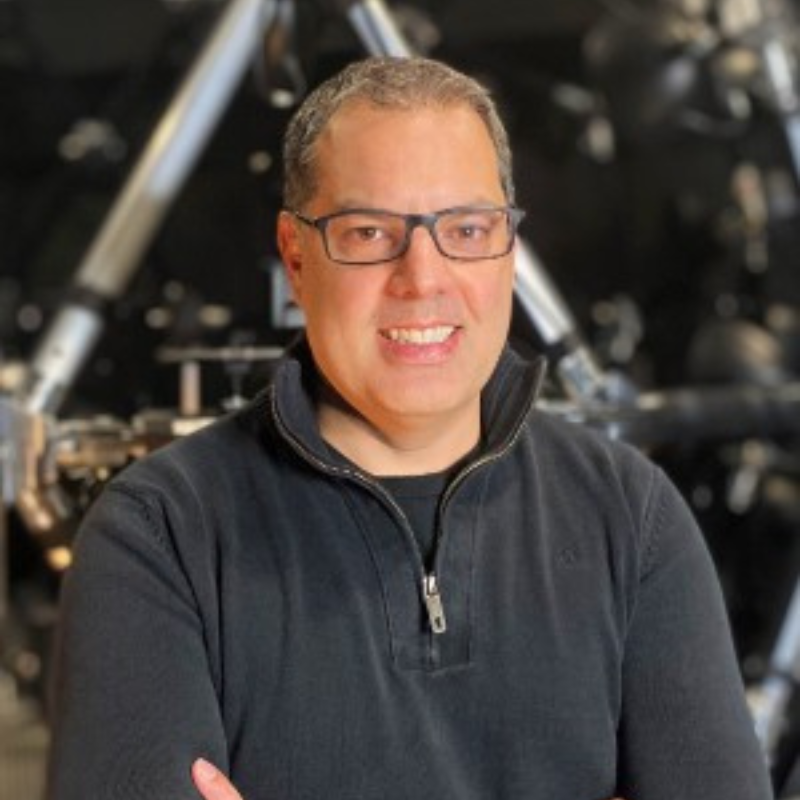
Shawn Whitehead - Neurodegeneration, Lipid Biochemistry, Co-morbidity, Stroke, Dementia
Investigating the relationship between stroke, Alzheimer's disease, and vascular risk factors, focusing on how changes in membrane lipids may influence neurodegeneration and cognitive decline. Use of rodent models and advanced techniques like MALDI-MS imaging to uncover common molecular targets that could improve understanding and treatment of co-morbid brain diseases.