
Search Website
Techniques
Research in molecular, biochemical, and genetic techniques focuses on advanced methods like genomics, transcriptomics, and single-cell analysis to explore biological systems. It also includes systems biology, anatomical methods, physiological techniques, and experimental therapeutics for studying neural activity, disease mechanisms, and drug discovery.
Read more about technique based neuroscience research happening at WIN below.
Elvis Chen - Kinematics, Surgery, Imaging
Understanding computer-assisted interventions and medical image computing, with a particular emphasis on improving surgical outcomes through advanced modeling and imaging techniques, especially for knee arthroplasty.
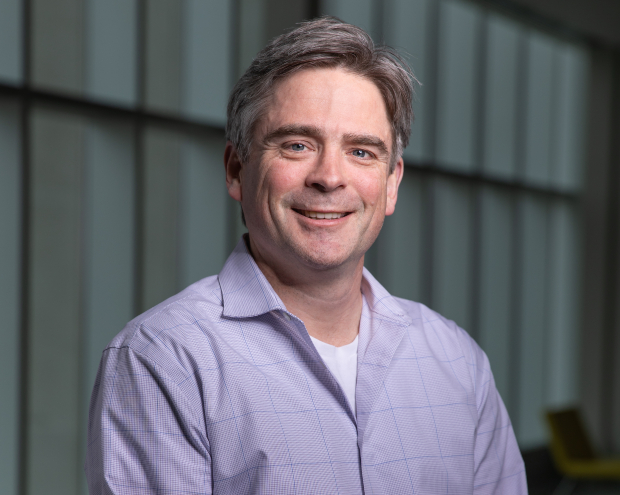
Brian Corneil - Brain Control of Movement
Understanding how the brain transforms visual information into action, particularly how cortical and subcortical areas coordinate movement in a dynamic environment. Seeking to enhance the understanding of brain changes after injury or disease and inform non-invasive brain stimulation therapies.
Sandrine di Ribaupierre - Medical Education, Simulation, Epilepsy
Studying medical education using virtual and augmented reality tools, particularly for neuroanatomy and surgical simulation.
Derek Debicki - EEG Monitoring in Critically Ill Patients
Understanding consciousness in permanent vegetative states, specifically using fMRI and EEG monitoring in critically ill patients.
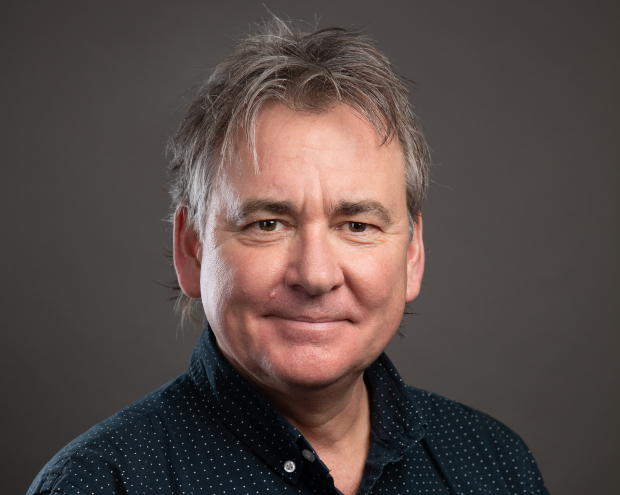
Roy Eagleson - Surgical Simulation, Visualization, Interfaces
Studying 3D biomedical visualization, surgical simulation, and human-computer interface design, with an emphasis on haptic interfaces and immersive graphical interfaces for surgical skills training.
Sebastian Fridman - Stroke, AI, Research Methods
Understanding stroke-related topics and advanced research methods, including AI for missing data and combinatorial meta-analysis, while also contributing to stroke care innovations.
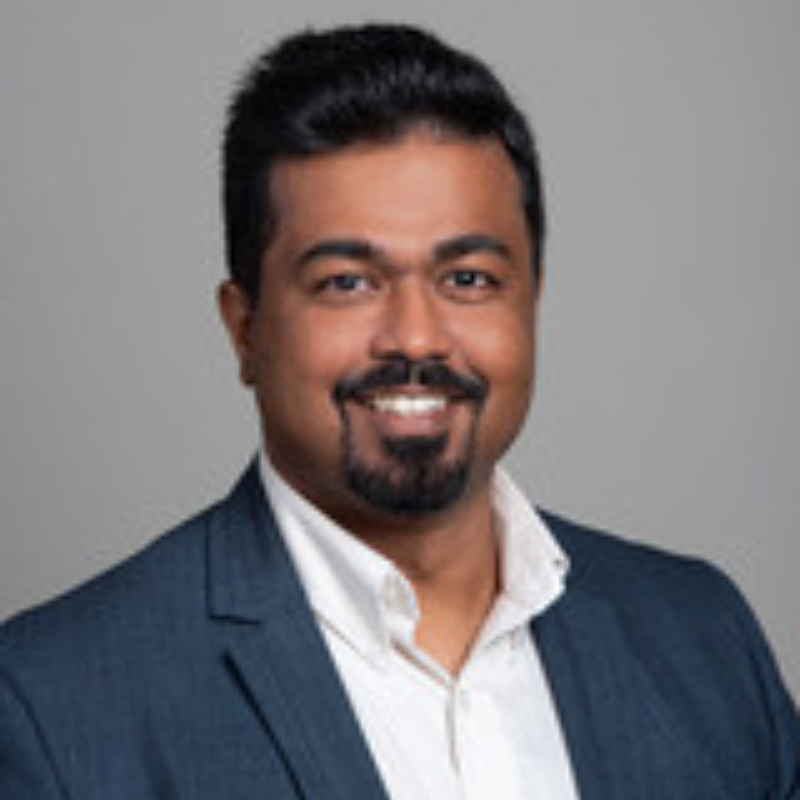
Rishi Ganesan - Neurocritical Care, EEG, Pediatric Outcomes
Improving long-term cognitive and functional outcomes in critically ill children by developing and implementing electroencephalography-based monitoring tools, utilizing signal processing and artificial intelligence to identify brain pathologies and deliver timely interventions.
Justin Hicks - PET, Neuroimaging, Radiochemistry
PET, Neuroimaging, and Radiochemistry based research.
Jason Gilliland - Urban Planning, Public Health, GIS
Studying the dynamics of environmental and social change in urban environments, exploring urban planning, design, housing, transportation, and public health in Canadian cities. Utilization of both qualitative and quantitative methodologies, with a strong emphasis on geographic information systems (GIS) to advance urban and health applications.
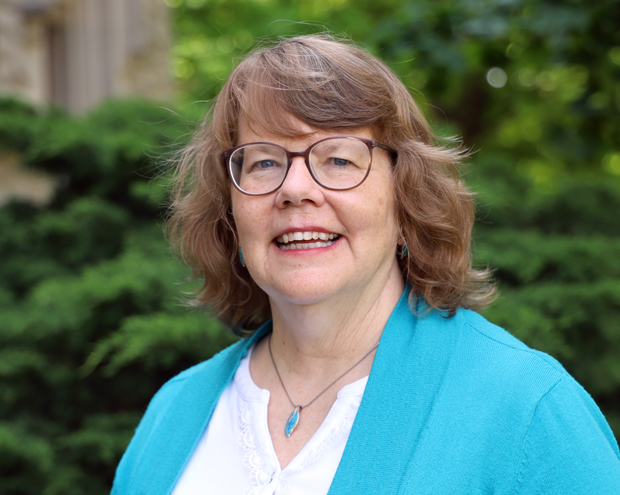
Debra Jared - Cognitive Processes in Reading and Bilingualism
Understanding reading development in children and the use of behavioural, eye tracking and electrophysiological methodology.
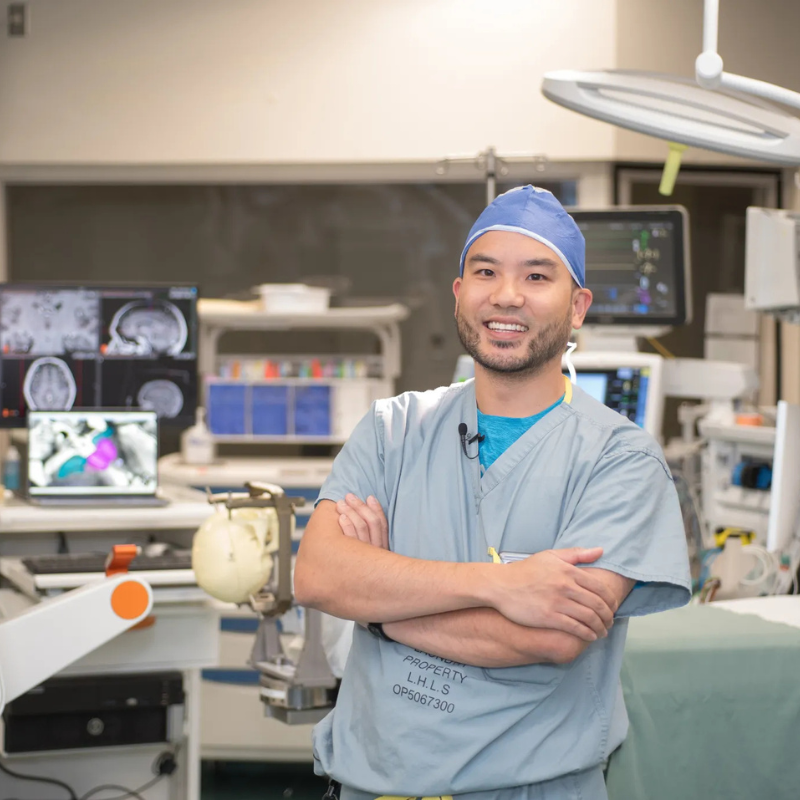
Jonathan Lau - Minimally Invasive, Neurosurgery, Imaging
Developing advanced imaging techniques and minimally invasive surgical approaches to improve the precision of neurosurgical procedures for treating nervous system disorders.
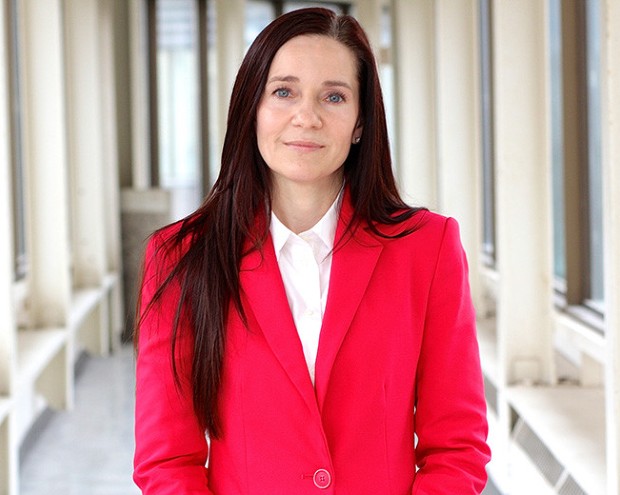
Penny MacDonald - Cognitive Neuroscience, Neuroimaging, Movement Disorders
Using neuroimaging to study cognitive function, and movement disorders, with a clinical background in neurology and experimental psychology.
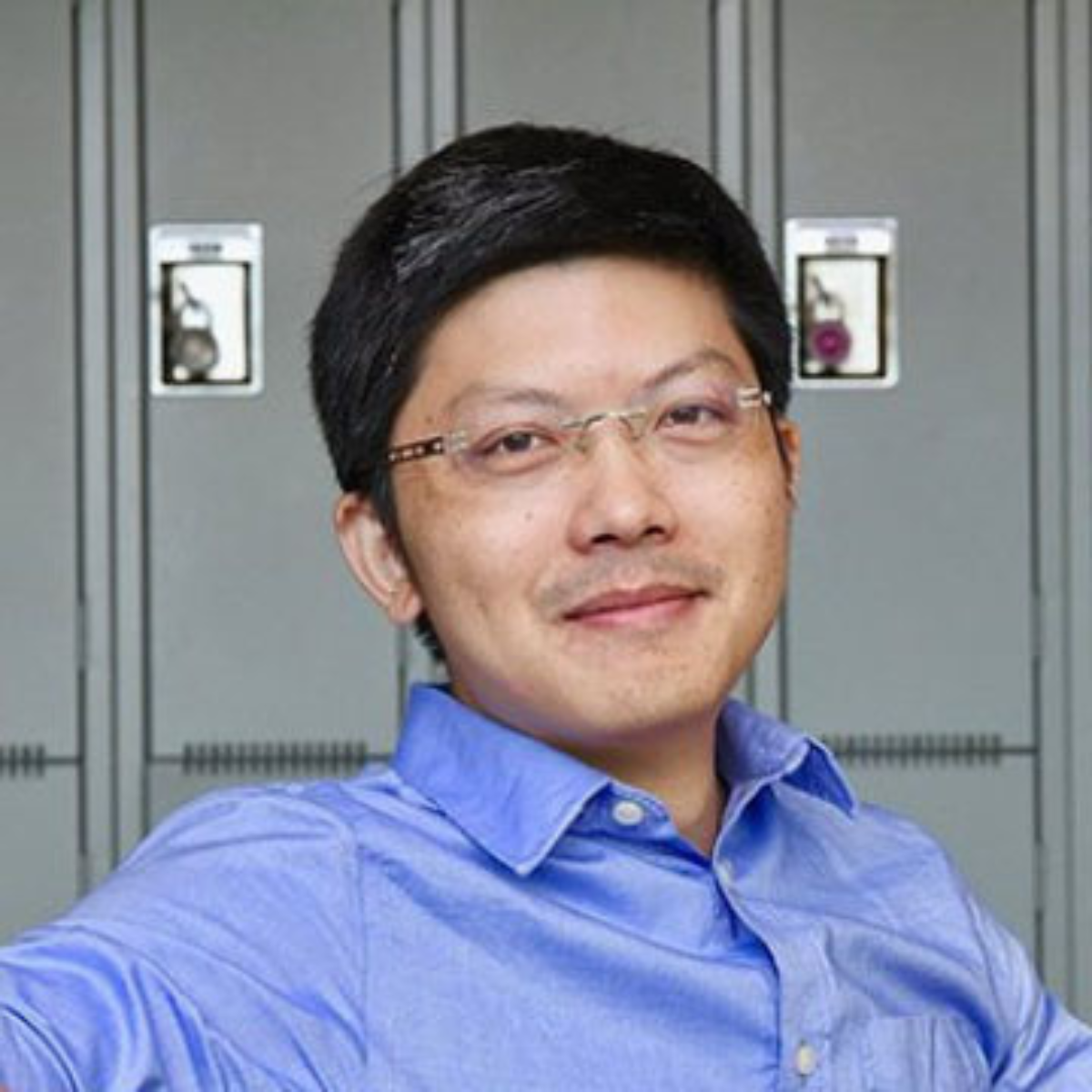
Haojie Mao - Mechanical Loading, Biomechanics, Safety
Understanding human body responses to mechanical loading through computational models and experimental methods to improve safety and accuracy in biomechanics, particularly in relation to skeletal, ligament, muscle, and brain materials.
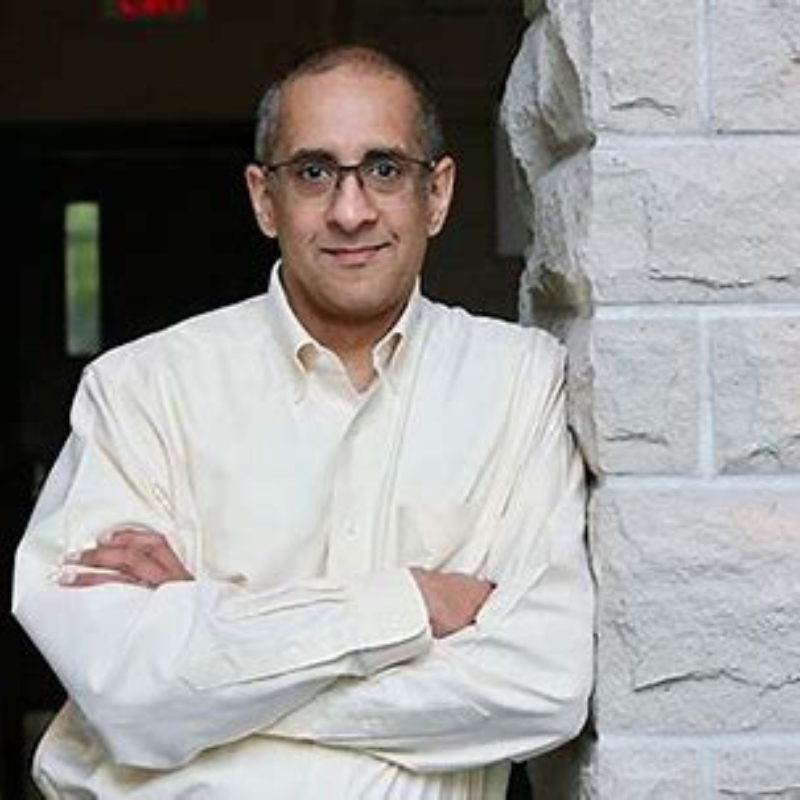
Ravi Menon - Imaging, Neuroscience, Psychiatry
The development and application of advanced magnetic resonance imaging (MRI) and spectroscopy (MRS) techniques, including functional MRI (fMRI), to understand brain function and improve mental health treatments.
Seyed Mirsattari - Epilepsy, Brain Mapping, Plasticity
Understanding brain plasticity in patients with intractable epilepsy and brain tumors, non-invasive brain mapping using fMRI for epilepsy surgery candidates, and the development of new animal models of epilepsy.
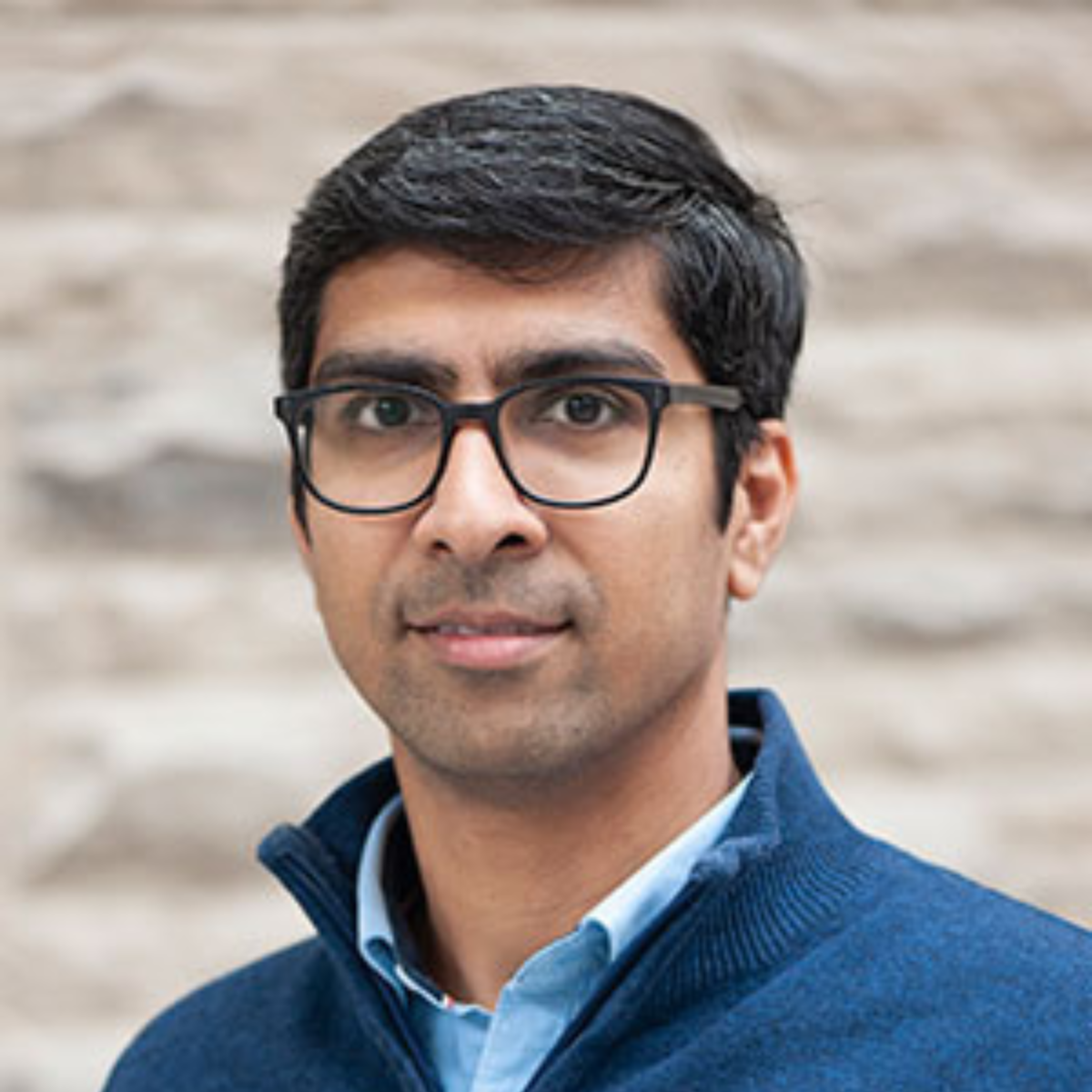
Apurva Naryan - Machine Learning, AI, Security
Advancing machine learning, explainable AI, and robust AI systems, with a particular emphasis on improving safety and security through techniques like reachability analysis, neural network attacks, defenses, and reinforcement learning.
Michael Nicolle - Myasthenia Gravis, Clinical Trials, Immunosuppresive Therapies
Understanding myasthenia gravis (MG), including clinical trials of therapies, the study of atypical and ocular manifestations, and the experiences of pregnant women with MG. The exploration of novel immunosuppressive treatments, mutations in congenital myasthenic syndromes, anti-MuSK antibodies in seronegative MG, and conducts research in EMG studies, including single fibre EMG and entrapment neuropathies.
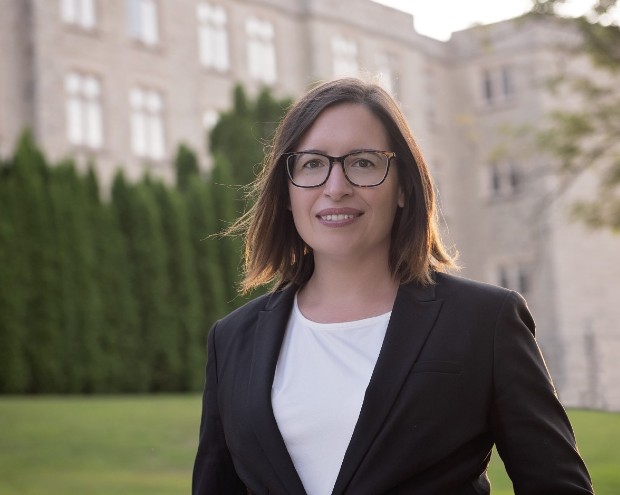
Loretta Norton - Cognition, Consciousness, Neuroimaging
Using neuroimaging techniques like EEG, evoked potentials, and fMRI to study cognition and consciousness in critically ill patient populations. Also exploring how to understand covert cognitive states and consciousness in patients who may be difficult to assess clinically.
Rajni Patel - Robotics, Mechatronics, Surgery
Studying robotics and mechatronics, particularly their applications in surgery, rehabilitation, and neurological movement disorders. Also investigating advancements in haptics, teleoperation, and intelligent systems, with a focus on improving medical technologies and surgical precision.
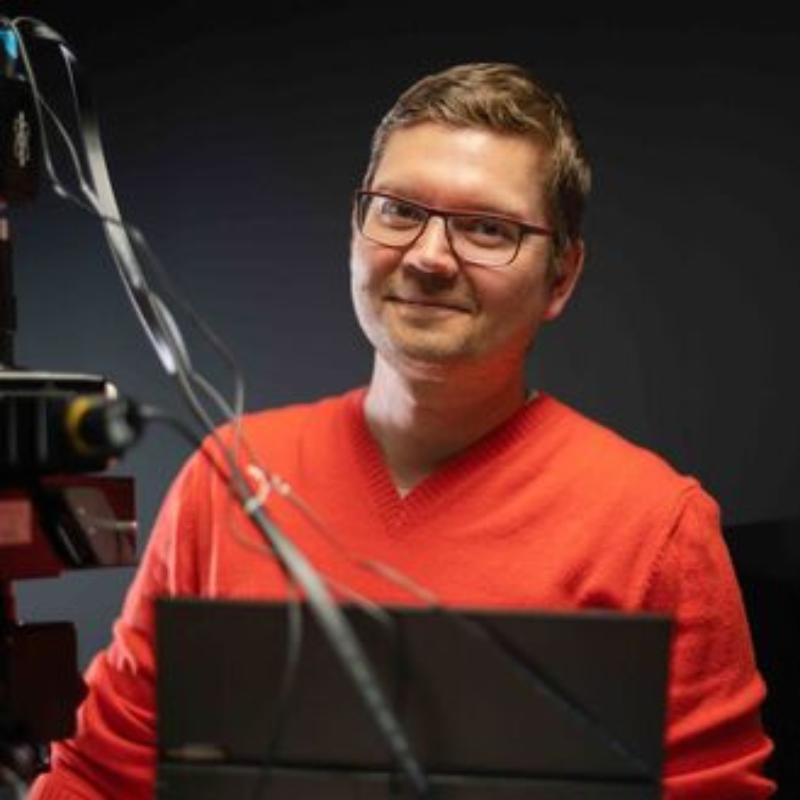
Andrew Pruszynski - Sensorimotor Function, Neurophysiology, Rehabilitation
Understanding how the nervous system coordinates the complex interactions between the body’s mechanical properties and neural circuits during arm movement and object manipulation. This work combines neurophysiology, modeling, behavioral studies, and patient research to improve treatment for conditions like nerve and spinal cord injuries, as well as diseases such as ALS.
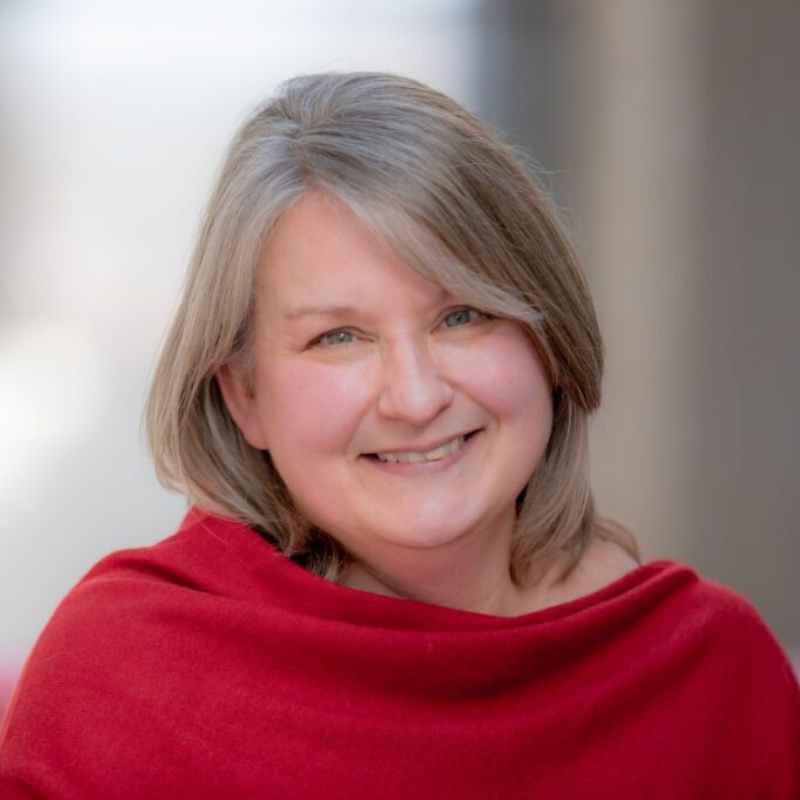
Angela Roberts - Cognitive Aging, Speech, Dementia
Improving cognitive aging outcomes by developing connected speech signatures to detect cognitive decline and building predictive models of cognitive aging trajectories. Developing dyadic interventions for communication challenges in dementia, utilizing randomized control trials and telehealth systems.
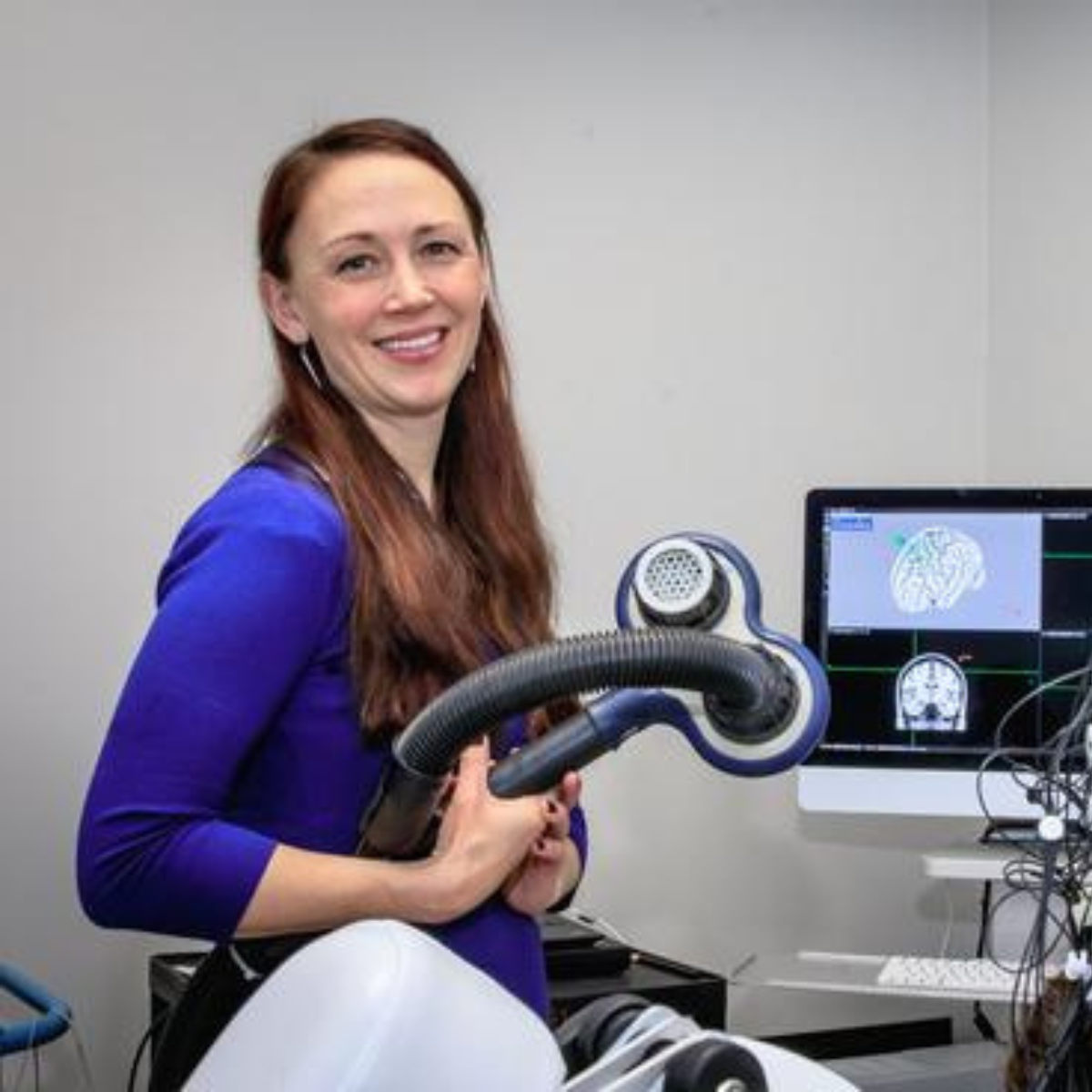
Siobhan Schabrun - Chronic Pain, Neuroplasticity, Biomarkers
Identifying cortical biomarkers that predict the development of chronic pain and understanding the neurobiological mechanisms behind the transition from acute to chronic pain. Also the development and testing of non-invasive brain stimulation treatments for pain, using advanced techniques like TMS-EEG and peripheral electrical stimulation.
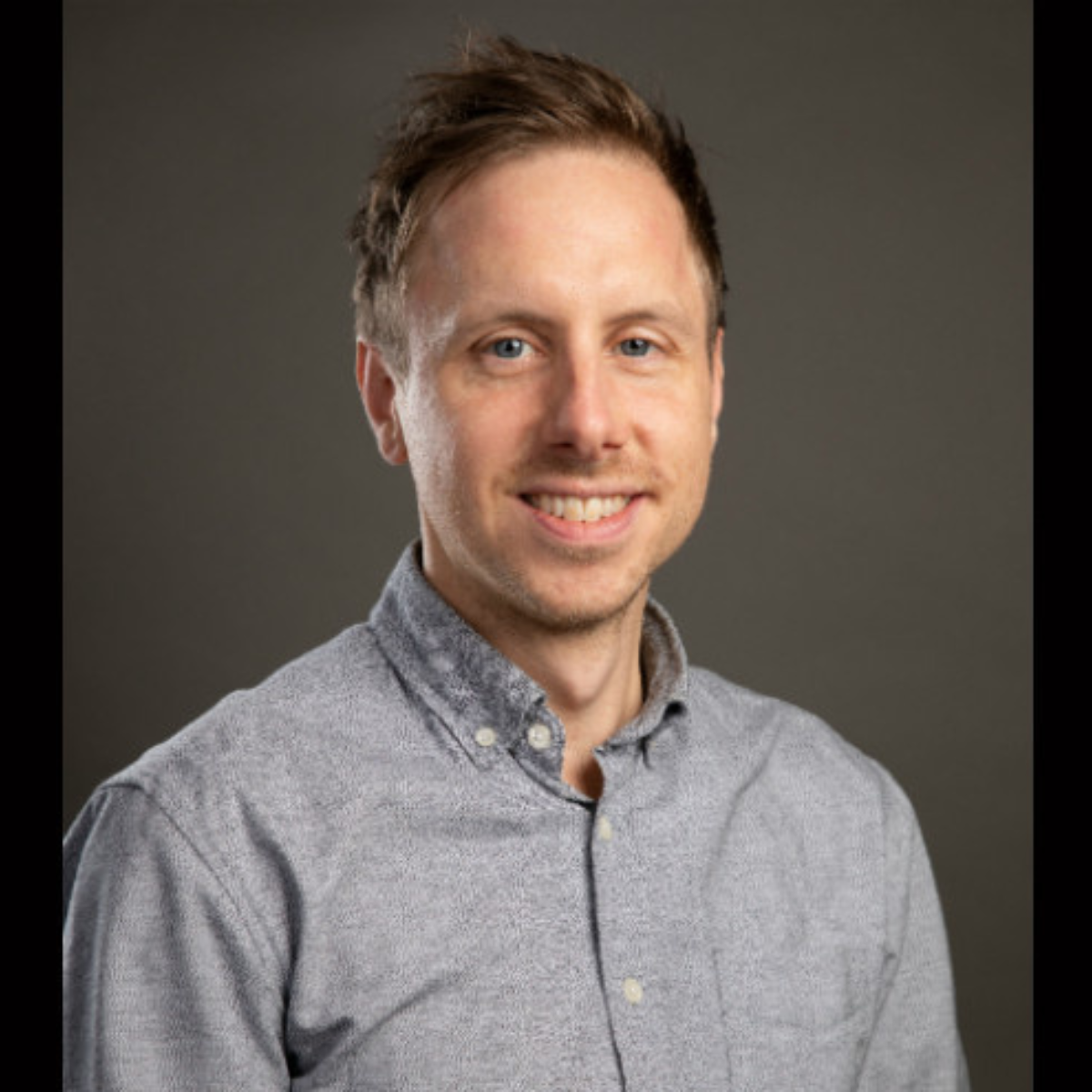
Taylor Schmitz - Cholinergic Systems, Brain Resilience, Neurodegeneration
Understanding the interaction between ascending neuromodulatory systems, particularly the cholinergic system, and the cortex, exploring both their basic organization and their vulnerability to dysfunction and degeneration. Exploring the mechanisms of brain resilience to aging and the early stages of Alzheimer’s disease, utilizing cross-species neuroimaging and cognitive profiling techniques.
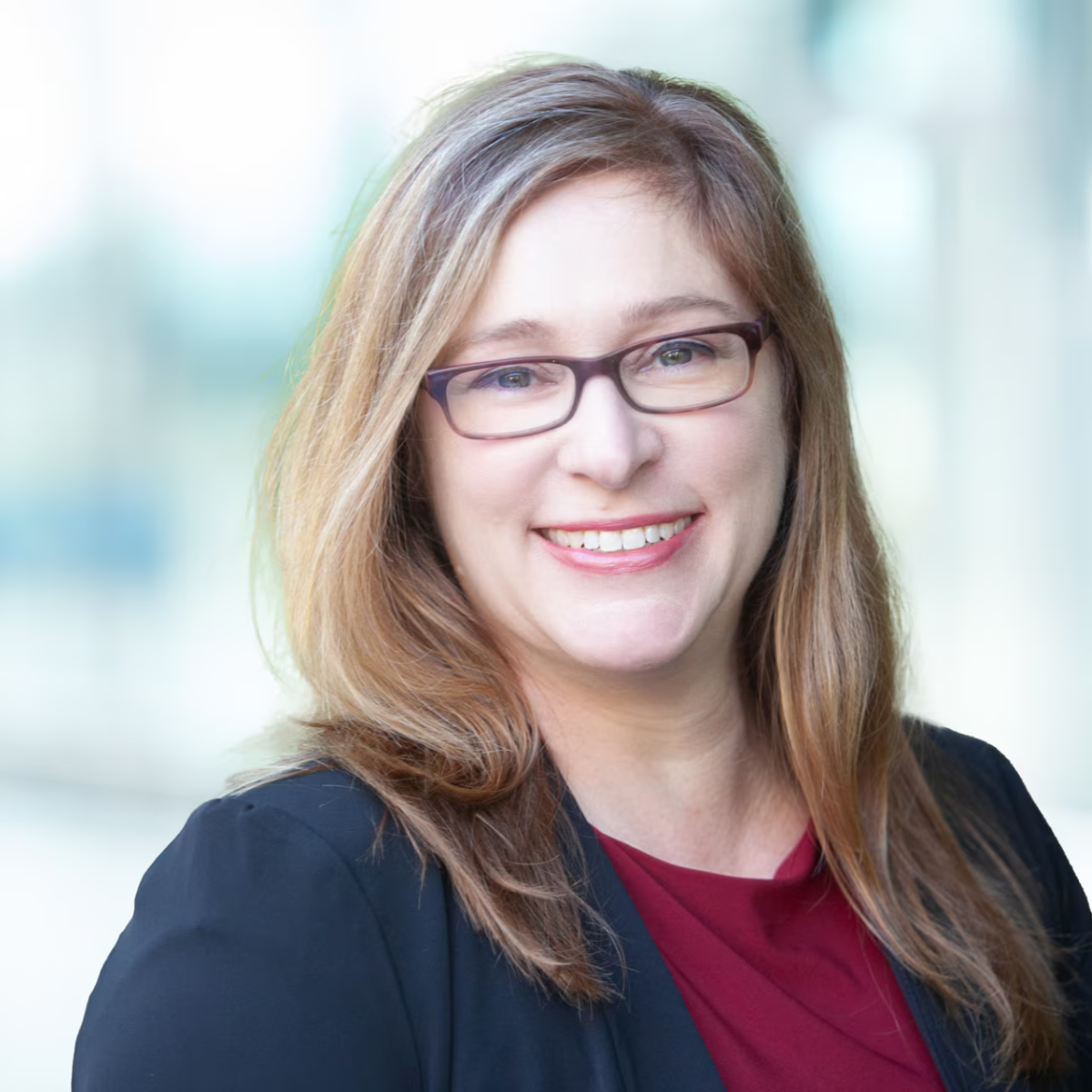
Susan Scollie - Sensory Systems, Physiology and Behaviour, Techniques
Understanding the efficacy of hearing aid signal processing and outcomes for infants, children, and adults who use hearing aids. She is also involved in hearing aid verification strategies and simulation in education, contributing to advancements in pediatric hearing aid fitting standards.
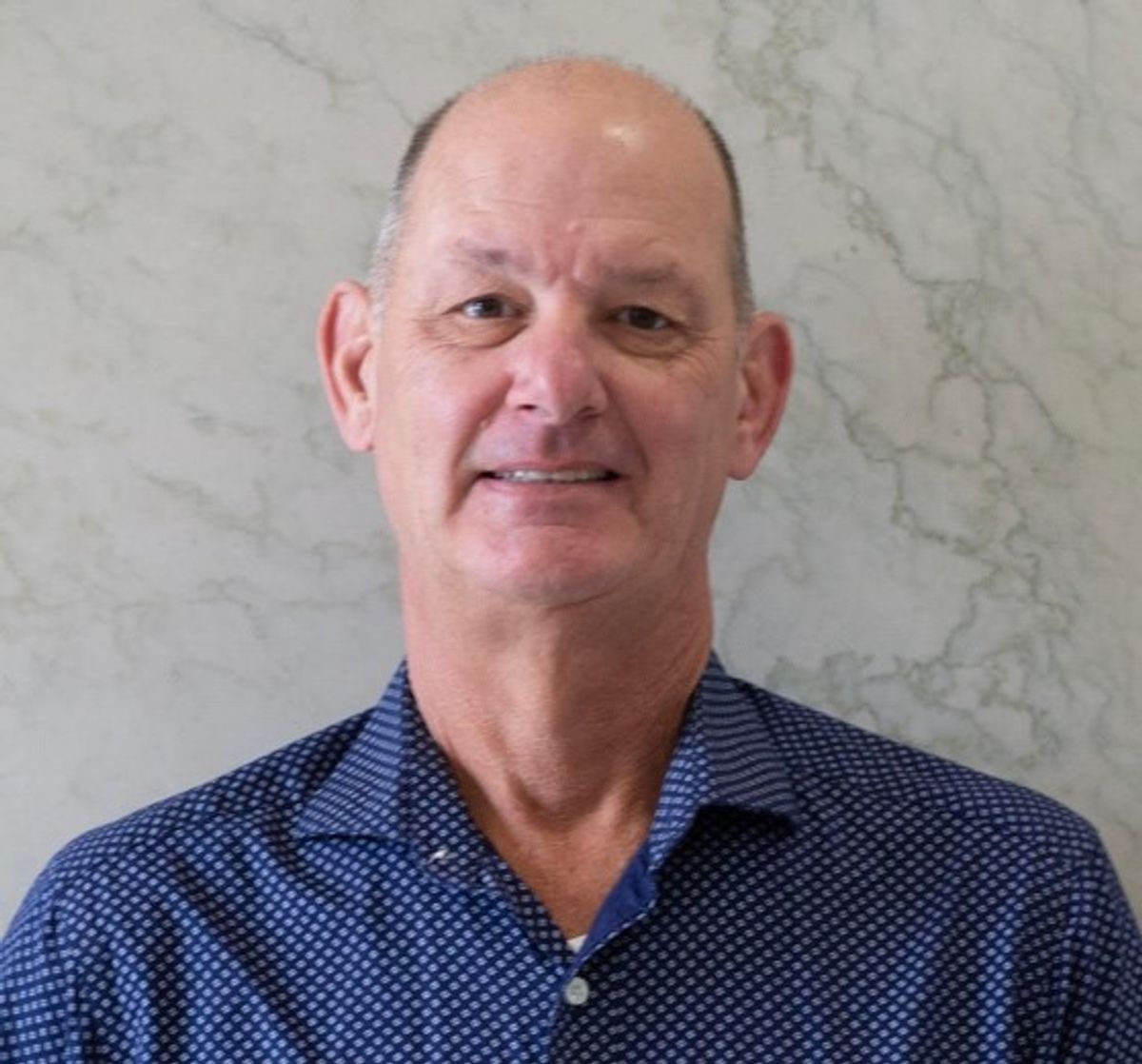
Gary Shaw - Biophysics, Neurodegeneration, Therapeutics
Investigating how protein structure and cellular repair mechanisms go awry in disease to advance therapeutic strategies for neurodegeneration and beyond.
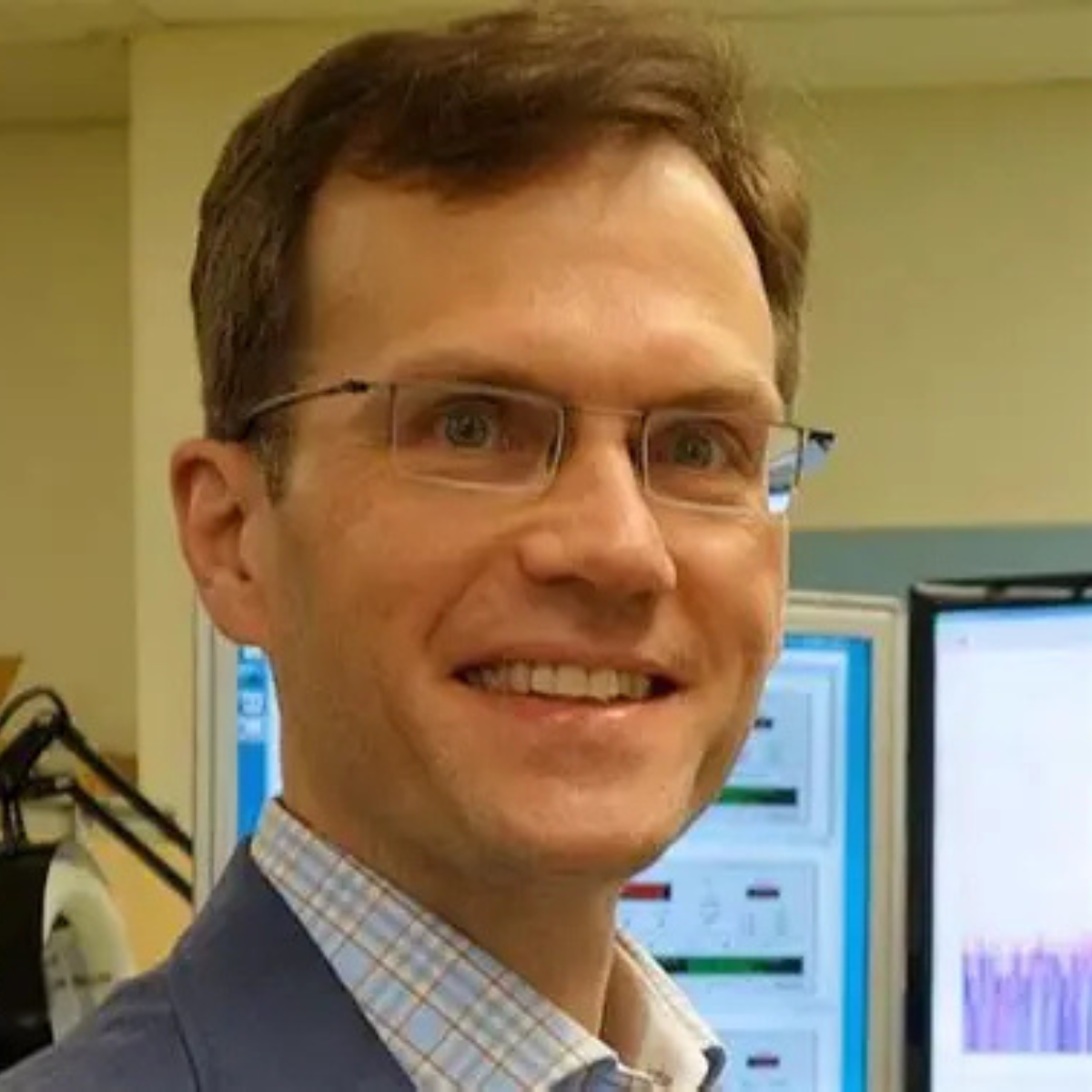
Keith St. Lawrence - Functional Imaging, Biomedical Optics, Magnetic Resonance Imaging
Studying the development of hybrid imaging methods including optics and PET/MRI for assessing brain metabolism and function.
Jonathan Thiessen - Multimodal Imaging, Diagnostic Innovation, Disease Biomarkers
Advancing multimodal imaging techniques, particularly the integration of PET and MRI, to enhance diagnostic accuracy and provide deeper insights into early disease biomarkers. Exploring applications across various conditions, including cancer, epilepsy, and Alzheimer's.
Raymond Thomas - Multimodal Imaging, Diagnostic Innovation, Disease Biomarkers
Exploring lipid metabolism across multiple domains, including agriculture, functional foods, and brain health, with an emphasis on developing advanced lipidomics methods.
Ana Luisa Trejos - Wearable Medical Mechatronics.
Studying the design, integration, and evaluation of wearable mechatronic devices for medical applications, particularly upper body rehabilitation and motion assistance. The development of novel sensing and actuation components, modeling biosignals, and creating intelligent control systems for adaptive, unobtrusive devices.