


Search Website

Faculty Researchers
Faculty Researchers
Faculty Researchers
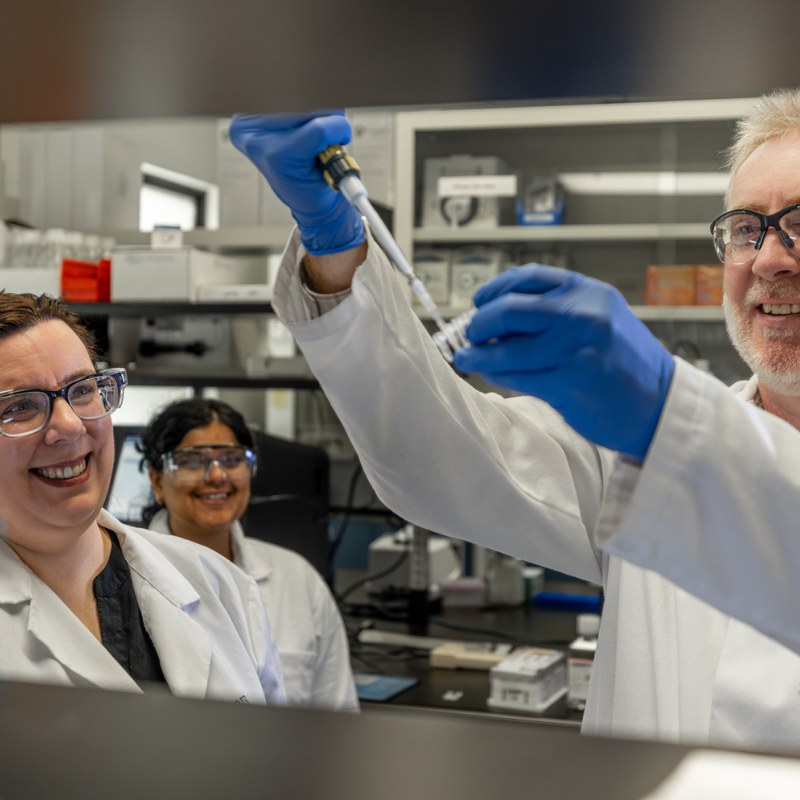
The investigators at the Western Institute for Neuroscience bring a wealth of expertise across all areas of neuroscience
From neuroimaging and cognitive neuroscience to neurodevelopmental disorders and neurological diseases. Their diverse interests and interdisciplinary approach fuel innovation in understanding the brain and nervous system, fostering collaboration and advancing the field through groundbreaking discoveries and impactful solutions. Learn more about our researchers and their focus areas by exploring our themes of research excellence below.
Cognition
Cognition research explores attention, perception, decision-making, memory, learning, and language, focusing on the neural mechanisms and circuits involved.
Computational Neuroscience
Computational neuroscience is an interdisciplinary field that uses mathematical models, computer simulations, and algorithms to understand how the brain processes information.
Development
Researchers working in the field of Development in Neuroscience explore nervous system development, regeneration, and neuroplasticity, focusing on cell fate, neuronal differentiation, and postnatal neurogenesis. It includes studies on stem cells as well as research specific to developmental disorders like Autism Spectrum Disorder and ADHD, as well as the molecular mechanisms driving axon growth, synapse formation, and neural circuit maturation.
Neural Excitability, Synapses, and Glia
Researchers working in the field of Development in Neuroscience explore nervous system development, regeneration, and neuroplasticity, focusing on cell fate, neuronal differentiation, and postnatal neurogenesis. It includes studies on stem cells as well as research specific to developmental disorders like Autism Spectrum Disorder and ADHD, as well as the molecular mechanisms driving axon growth, synapse formation, and neural circuit maturation.
Motivation and Emotion
Research in emotion, motivation, and learning explores how fear, reward, and memory shape behavior, focusing on the neural circuits and mechanisms involved. It also examines mood and anxiety disorders, PTSD, addiction, and their treatments, as well as the effects of drugs on behavior and brain function.
Motor Systems
Research on movement and motor control explores mechanisms of eye movements, cerebellar function, basal ganglia, and voluntary actions, including reaching, grasping, and posture. It also examines brain-machine interfaces, motor learning, and rehabilitation, as well as the neurophysiology of motor neurons, muscle activity, and respiratory regulation.
Neurodegenerative Disorders
Neurodegenerative Disorders and Injury research focuses on understanding the mechanisms behind brain and spinal cord disorders, including Alzheimer's, Parkinson's, and neurodegenerative diseases. It explores therapies for brain injuries, stroke, and spinal cord damage, while investigating neuroinflammation, neuroprotection, and potential treatments for recovery and wellness.
Physiology and Behaviour
Research in physiology and behavior examines how biological systems and behaviors interact, focusing on sensory processing, communication, stress, hormones, brain metabolism, and energy balance. It explores the neural and hormonal mechanisms that shape behavior and health, offering insights into brain function and adaptation.
Sensory Systems
Sensory system research focuses on the neural mechanisms underlying sensory processing across multiple modalities, including somatosensation (touch, pain, itch), chemical senses (olfaction and taste), auditory and vestibular systems, vision, and multisensory integration.
Techniques
Research in molecular, biochemical, and genetic techniques focuses on advanced methods like genomics, transcriptomics, and single-cell analysis to explore biological systems. It also includes systems biology, anatomical methods, physiological techniques, and experimental therapeutics for studying neural activity, disease mechanisms, and drug discovery